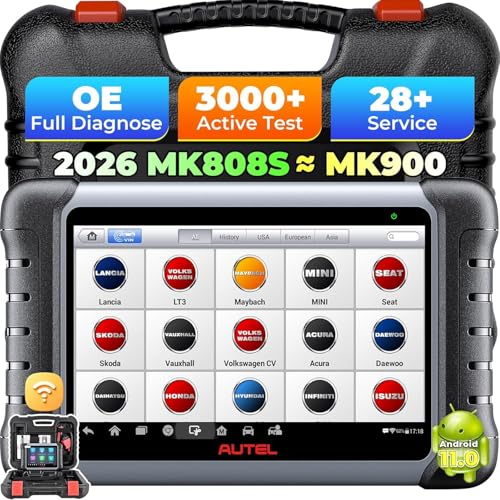
A glowing check engine light makes most drivers nervous, and the first instinct is usually to make it disappear as fast as possible. The light itself is only a messenger though. It turns on because your car’s computer has logged a fault, and clearing that warning without dealing with the cause just hides the problem until it comes back. This guide walks through the proper way to reset the check engine light using an OBD2 scanner, explains why the popular battery-disconnect trick is a bad idea, and covers what happens to your emissions monitors once the codes are wiped.
Fix the Problem First, Then Clear the Codes
The correct sequence is always diagnose, repair, then reset. When the check engine light comes on, your engine control unit stores a diagnostic trouble code that describes what went wrong, such as a misfire, a lean fuel mixture, or a faulty oxygen sensor. The smart move is to read that code before you clear anything, because it tells you what actually needs attention. You can plug in a scan tool and pull the code in under a minute, and our guide on how to read obd2 codes walks you through translating what each one means.
Once you have identified and repaired the underlying fault, clearing the code with an OBD2 scanner is straightforward. Connect the scanner to the port under the dashboard, turn the ignition to the on position, select the erase or clear codes option, and confirm. The light goes out and the stored code is removed from memory. Because you fixed the real issue first, the warning has no reason to return. If you do not own a tool yet, the best obd2 scanners handle both reading and clearing codes for around the price of a single shop diagnostic fee.
Why the Battery Disconnect Method Is a Poor Idea
A common piece of garage folklore says you can reset the check engine light by disconnecting the negative battery terminal for a few minutes. It sometimes works because cutting power can wipe the computer’s volatile memory, including the stored fault code. The problem is that this is a blunt instrument that erases far more than the single code you wanted gone.
Disconnecting the battery also wipes your engine’s learned adaptations, the fuel trims and idle settings the computer has tuned over thousands of miles to match your specific engine, driving style, and climate. After a reset like this the car often runs rough, idles unevenly, or feels sluggish for days while the computer relearns everything from scratch. You may also lose radio presets, seat memory, clock settings, and in some vehicles trigger an anti-theft lockout on the stereo. Using a proper OBD2 scanner clears only the trouble code and leaves all of these adaptations intact, which is why it is the better tool for the job.
Why the Light Comes Back If the Fault Remains
Many drivers clear the light, drive away happy, and then watch in frustration as it switches back on a day or two later. This is not a glitch. It is the system working exactly as designed. Your car continuously monitors hundreds of sensors and components, and if the condition that triggered the original code is still present, the computer simply logs the fault again and relights the warning.
Clearing a code without a repair is like silencing a smoke alarm while the toast is still burning. A loose or failing gas cap, a worn oxygen sensor, or a persistent misfire will all keep reappearing until the actual part is addressed. The repeated cycle of clearing and returning is useful information in itself, because a code that comes back quickly confirms the fault is active and ongoing rather than a one-time hiccup. Treat a returning light as a prompt to scan again, read the code, and dig into the real cause.
Drive Cycle: How the Readiness Monitors Reset
When you clear codes with a scanner or disconnect the battery, you also reset your car’s readiness monitors. These are self-tests the computer runs on systems like the catalytic converter, oxygen sensors, evaporative emissions, and the EGR valve. Right after a reset every monitor reads not ready, because the car has not yet had a chance to retest those systems.
To set the monitors back to ready, the vehicle needs to complete what is called a drive cycle, a specific pattern of driving that lets each self-test run. A typical cycle includes a cold start, a period of steady highway cruising, some stop and go city driving, and a rest period with the engine off. Depending on the make, it can take anywhere from a short trip to several days of mixed driving for all monitors to finish. An OBD2 scanner that shows monitor or readiness status lets you watch the progress, so you can confirm which tests have completed before you rely on the car being fully ready.
The Emissions Test Warning You Need to Know
Here is the catch that trips up a lot of people right before an inspection. Many drivers clear their codes the night before an emissions or smog test hoping to pass with the light off. The trouble is that wiping the codes also resets all of those readiness monitors to not ready, and inspection stations check monitor status as part of the test.
Most testing programs will fail a vehicle, or refuse to test it at all, if more than one or two monitors are still showing not ready, even when the check engine light is off. The station reads this as someone trying to mask a fault that has not been properly fixed. The safe approach is to repair the issue, clear the codes well in advance, and then drive the car normally for enough days to let the monitors complete their drive cycle. Verify the readiness status with your scanner before heading to the test, so you arrive with the light off and the monitors set, which is exactly what the inspection requires.
Frequently Asked Questions
Will resetting the check engine light pass an emissions test?
Not on its own. Clearing the codes turns the light off but also resets your readiness monitors to not ready, and inspection stations fail vehicles that have too many incomplete monitors. Fix the fault, clear the codes early, then drive normally for several days so the monitors complete before testing.
How long until the check engine light resets itself?
If you fix the underlying fault but do not clear the code, most cars will turn the light off on their own after the computer confirms the problem is gone, usually within a few successful drive cycles. If the fault is still present, the light will stay on until it is addressed.
Is it safe to disconnect the battery to clear the light?
It is not the best method. Disconnecting the battery can clear the code, but it also erases learned fuel trims, idle adaptations, radio presets, and other settings, which can make the car run rough for days. An OBD2 scanner clears only the trouble code and leaves those adaptations untouched.
The Bottom Line
Resetting the check engine light the right way is simple once you understand what the light represents. Diagnose the fault, repair it, then clear the code with an OBD2 scanner so the warning has no reason to return. Skip the battery-disconnect shortcut, which resets your engine’s learned settings and all your readiness monitors, and remember that a light cleared just before an emissions test usually causes a failure because the monitors read not ready. Owning a reliable scan tool puts this whole process in your hands, letting you read codes, clear them after a proper fix, and confirm your monitors are ready before inspection day.
Related Guides
- 7 Best Professional Automotive Diagnostic Scanners for 2026 (Researched and Compared)
- 7 Best Airbag Scanner Tools (Researched and Compared)
- 7 Best OBD2 Scanners for Subaru in 2026 (Researched and Compared)
- 7 Best OBD2 Scanners for Infiniti (Researched and Compared)
- 7 Best Bidirectional OBD2 Scanners for Cars in 2026 (Researched and Compared)
- 7 Best Auto Code Scanners (Researched and Compared)
