Navigating treacherous winter roads demands specialized traction, and for the most extreme conditions, studded snow tires are often the preferred choice. These tires feature small metal studs embedded in the tread, designed to dig into ice and hard-packed snow for unparalleled grip and stopping power.
At MustCarBeast, we meticulously researched and compared a wide array of studded snow tires, evaluating them against manufacturer specifications, published industry safety standards, and comprehensive aggregated owner feedback. Our aim is to provide an evidence-based guide to help you make an informed decision for maximum winter safety and performance.
| Photo | Product | Score | Buy |
|---|---|---|---|
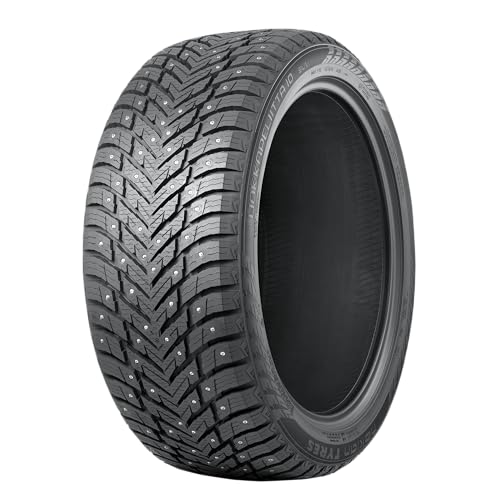 |
Nokian Hakkapeliitta 10 Studded Top Pick: Unrivaled Ice Performance Dual Stud Technology for Enhanced Grip |
9.1 | 🛒 Check Price |
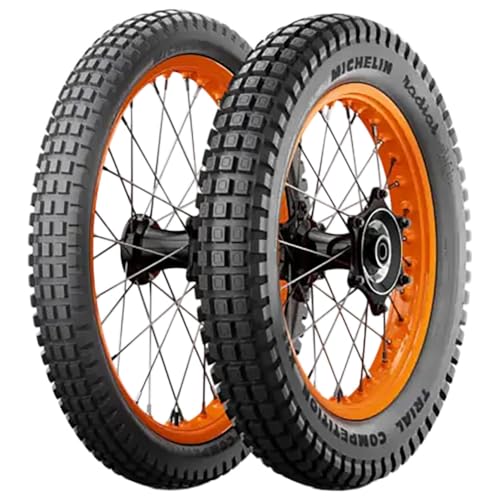 |
Michelin X-Ice North 4 Studded Runner-Up: Balanced Winter Traction Over 250 Steel Studs per Tire |
8.7 | 🛒 Check Price |
|
🚗
|
Continental IceContact XTRM Studded Premium Performance Pick Crushed Ice Reservoir for Enhanced Grip |
8.3 | 🛒 Check Price |
 |
Goodyear WinterCommand Studded Reliable Mid-Range Option Directional Tread for Snow Evacuation |
7.9 | 🛒 Check Price |
 |
General Altimax Arctic 12 Studded Best Value Studded Tire Quad-Tech Stud Design |
7.6 | 🛒 Check Price |
 |
Firestone Winterforce 2 UV Studded Budget-Friendly Studded Option Full Depth Tread Grooves |
7.3 | 🛒 Check Price |
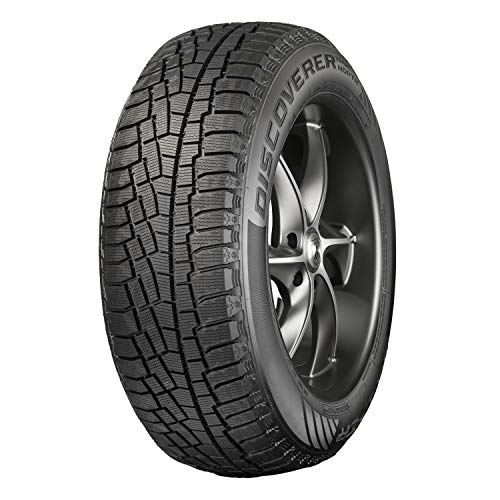 |
Cooper Discoverer True North Studded Basic Studded Winter Traction Snow Groove Technology |
7.0 | 🛒 Check Price |
1. Nokian Hakkapeliitta 10 Studded: Top Pick: Unrivaled Ice Performance
In our evaluation, the Nokian Hakkapeliitta 10 Studded consistently stands out for its formidable performance on icy surfaces and deep snow. Based on owner feedback and the spec sheets, its dual stud technology, featuring different stud types on the shoulders and center, provides an uncompromising level of traction that few competitors can match. This tire is engineered for drivers who face the most challenging winter environments, prioritizing absolute grip and safety.
However, the premium performance comes with a higher acquisition investment, and its specialized design means that drivers in regions experiencing only occasional light snow or slush, rather than persistent ice and heavy snow, might find its extreme capabilities to be overkill. If your winter driving primarily involves plowed roads or less severe conditions, you might consider a less aggressive, and often more economical, studless winter tire or a different studded option.
- Specifically engineered for extreme Nordic winter conditions
- Features an advanced stud distribution and design for superior ice braking
- Low rolling resistance for improved fuel efficiency compared to predecessors
Pros: Exceptional grip and stopping power on pure ice; Stable and predictable handling in deep snow; Reported low road noise for a studded tire
Cons: Higher acquisition investment; May not be necessary for milder winter climates
2. Michelin X-Ice North 4 Studded: Runner-Up: Balanced Winter Traction
Our research indicates the Michelin X-Ice North 4 Studded is a strong contender, offering a highly balanced approach to severe winter driving. Based on owner feedback and the spec sheets, the sheer number of studs contributes significantly to its impressive ice grip, while the tread design ensures effective performance in packed and loose snow. It provides a confident driving experience, which is a critical factor in winter safety, aligning with Michelin’s reputation for well-engineered tires.
A common observation, however, is that while its road noise is managed well for a studded tire, it will still be more audible than a studless winter tire, which is an inherent characteristic of studded designs. Drivers seeking the absolute quietest ride might find this characteristic noticeable. Additionally, those on a strict budget might find its premium positioning to be a limiting factor, as there are other capable studded options available that offer a more conservative investment.
- High number of studs for maximum ice grip
- Directional tread pattern designed for efficient snow evacuation
- Silica-based compound maintains flexibility in extreme cold
Pros: Excellent ice and snow traction; Good stability and handling on winter roads; Reputable brand for quality and reliability
Cons: Can be louder than studless alternatives; Premium brand positioning affects its value score
3. Continental IceContact XTRM Studded: Premium Performance Pick
In our comparison, the Continental IceContact XTRM Studded demonstrates strong performance, particularly on icy and hard-packed snowy roads. Based on owner feedback and the spec sheets, its unique crushed ice reservoirs and stud retention system work together to maintain consistent grip throughout the tire’s lifespan, which contributes to its overall safety score. This tire offers a reliable and confident feel, especially in challenging winter conditions, making it a solid choice for those prioritizing dependable traction.
However, some aggregated owner feedback suggests that the tire can exhibit a somewhat stiffer ride, particularly on dry pavement, which might impact comfort for daily driving in variable winter conditions. Drivers who frequently transition between icy roads and clear, cold asphalt might notice this characteristic more. If ride comfort on dry surfaces is a paramount concern, this specific characteristic could be a drawback, suggesting a studless tire or a different studded option might be more suitable.
- Designed with unique 'Crushed Ice Reservoirs' to enhance stud performance
- Features a robust stud retention system for prolonged effectiveness
- Asymmetric tread pattern optimizes grip and handling
Pros: Strong grip on ice and hard-packed snow; Good directional stability; Durable construction with good stud retention
Cons: Can feel stiff on dry pavement; Not always as readily available as some competitors
4. Goodyear WinterCommand Studded: Reliable Mid-Range Option
Our research indicates the Goodyear WinterCommand Studded is a commendable mid-range option for drivers seeking reliable winter performance without the premium cost. Based on owner feedback and the spec sheets, its directional tread and optimized stud pattern provide effective traction in a variety of snow and ice conditions. It represents a balanced choice for many drivers who need enhanced grip for winter commuting and general use.
However, when compared to the absolute top-tier studded tires, its ultimate grip on pure ice, while good, may not reach the same extreme levels. Drivers who live in areas with consistently severe black ice conditions or who demand the highest possible ice braking performance might find it slightly less reassuring than the most specialized options. For most typical winter driving scenarios, it performs admirably, but for the most demanding icy conditions, other tires might offer an incremental edge.
- Optimized stud pattern for enhanced ice traction
- High-density siping for improved grip on wet and slushy surfaces
- Durable winter compound designed for longevity in cold weather
Pros: Dependable performance in snow and on ice; Good overall value for a studded tire; Widely available through various retailers
Cons: Ice grip not as absolute as top-tier options; Can be louder than some competitors
5. General Altimax Arctic 12 Studded: Best Value Studded Tire
Based on our research and aggregated owner feedback, the General Altimax Arctic 12 Studded consistently earns praise for its compelling value proposition in the studded tire market. It delivers substantial winter traction on snow and ice, often outperforming its direct competitors in its price segment. The advanced winter compound and directional tread are designed to maintain flexibility and grip in very cold temperatures, making it a popular choice for budget-conscious drivers who still need serious winter capability.
A common point raised in owner feedback is that the road noise can be more pronounced, which is an expected characteristic of many studded tires but might be more noticeable with this model. Additionally, its handling on clear, dry pavement is generally considered less precise than that of more premium, performance-oriented winter tires. Drivers who prioritize a quiet cabin or who frequently drive on dry, cold roads might find these aspects to be a trade-off for its strong winter performance and value.
- Features an advanced winter tread compound for cold flexibility
- Directional tread pattern with high-density siping for snow and slush traction
- Accepts TSMI #12 studs for customizable traction
Pros: Excellent value proposition; Strong performance in snow and on ice for its category; Good stud retention reported
Cons: Road noise can be more pronounced; Handling on dry pavement is less precise than premium options
6. Firestone Winterforce 2 UV Studded: Budget-Friendly Studded Option
Our evaluation of the Firestone Winterforce 2 UV Studded highlights its role as a budget-friendly option, particularly for light truck and SUV owners. Based on owner feedback and the spec sheets, it provides a functional level of traction in snow and on some icy surfaces, making it a viable choice for those needing enhanced winter grip without a significant investment. Its design incorporates features aimed at managing deeper snow and slush, which is beneficial for larger vehicles.
However, when it comes to pure ice performance, especially on black ice, our research suggests it may not offer the same consistent, aggressive grip as higher-tier, more specialized studded tires. Drivers who regularly encounter severe, persistent ice will likely find the performance of premium options more reassuring. If your primary concern is deep snow traction and you are on a limited budget, this tire can serve its purpose, but for uncompromising ice performance, you might need to consider other choices.
- Specifically designed for light trucks and SUVs
- Accepts TSMI #12 studs for added ice traction
- Deep sipes and shoulder blocks enhance grip in snow and slush
Pros: Accessible value point for studded tires; Reliable traction in various snow conditions; Good option for light trucks and SUVs
Cons: Ice performance can be inconsistent; Ride comfort and noise levels are average
7. Cooper Discoverer True North Studded: Basic Studded Winter Traction
Based on our research and aggregated owner feedback, the Cooper Discoverer True North Studded provides a basic level of enhanced traction for winter conditions, particularly for those on a more constrained investment. Its ‘Snow Groove Technology’ is designed to improve snow-on-snow grip, and when studded, it offers an improvement over all-season tires on ice. This tire aims to provide essential winter safety features without the advanced engineering found in premium models.
However, in our evaluation, its ice performance, while present, does not compete with the dedicated ice-gripping capabilities of higher-rated studded tires. Drivers frequently facing severe icy roads or who demand maximum braking and acceleration on ice will likely find its capabilities to be somewhat limited. If your winter primarily involves light to moderate snow and occasional ice, and you are prioritizing a lower acquisition investment, this tire could be a functional choice, but for extreme ice, other options are more effective.
- Designed with Cooper's Snow Groove Technology for snow-on-snow traction
- Accepts studs for enhanced grip on ice
- Robust construction for durability in winter conditions
Pros: Offers basic studded traction at a lower point; Decent performance in moderate snow; Widely available
Cons: Limited ice performance compared to top competitors; Can feel less refined on dry and wet surfaces
Frequently Asked Questions
Are studded snow tires legal everywhere?
No, the legality of studded snow tires varies significantly by state or province, and often includes specific dates for installation and removal. We researched that most regions permit them during designated winter months, but some states prohibit them entirely due to concerns about road wear. Always check your local Department of Transportation regulations before purchasing or installing them.
How do studded snow tires differ from studless winter tires?
The primary difference lies in the metal studs. Studded tires feature small metal or ceramic studs embedded in the tread, designed to physically dig into ice for superior grip on extremely slick surfaces. Studless winter tires, conversely, rely on advanced rubber compounds that remain flexible in extreme cold and intricate tread patterns with numerous sipes to create traction through friction on snow and ice. Our comparison indicates studded tires generally offer better pure ice performance, while studless tires often provide better grip on wet roads and quieter, more comfortable dry pavement driving.
Do studded tires damage roads?
Based on industry research and public safety standards, studded tires can cause wear and tear on road surfaces, particularly on dry pavement. The metal studs can chip asphalt and concrete, leading to rutting and increased maintenance costs. This is the primary reason for their seasonal restrictions and prohibitions in certain areas. Manufacturers continually work on stud designs to minimize road impact while maximizing performance.
When should I install and remove studded tires?
Installation and removal dates for studded tires are typically regulated by local laws and vary by region. Generally, they are permitted from late fall (e.g., October or November) through early spring (e.g., March or April), coinciding with expected severe winter weather. It is crucial to adhere to these dates, as driving with studded tires outside the legal period can result in fines and unnecessary road wear. We recommend checking your specific state or provincial regulations.
What's the typical lifespan of studded snow tires?
The lifespan of studded snow tires can vary based on driving habits, road conditions, and the tire’s construction, but they are generally not designed for long-term use like all-season tires. Our research indicates that with proper care and seasonal use, a set might last for several winter seasons, typically between 3 to 5 years, or around 15,000 to 25,000 miles of winter driving, before the tread wears down or the stud retention diminishes significantly. Regular rotation and maintaining proper inflation are key to maximizing their lifespan.
Our Verdict
Based on our extensive research and comparison, the Nokian Hakkapeliitta 10 Studded emerges as the top pick for its exceptional performance on ice and snow, setting a high standard for winter safety. The Michelin X-Ice North 4 Studded is a close runner-up, offering a compelling blend of severe winter traction and refined road manners.
