Choosing the right tires can feel overwhelming, but our buying guide breaks down the essentials, tread design, durability, and road noise, so you can match your driving style with the ideal rubber.
We’ve analyzed manufacturer data, independent tests, and verified-owner feedback to bring you six genuine Amazon-available models, each scored on performance, value and longevity.
Best For Every Buyer
- All-Season Performance: Michelin Pilot Sport 4S. Delivers sharp handling in dry and wet while offering respectable tread life for everyday driving.
- Winter Grip: Bridgestone Blizzak WS90. Specialized silica compound and biting edges provide confidence on ice and snow without sacrificing dry stability.
- Budget Longevity: Goodyear Assurance TripleMax. Offers a solid tread warranty and durable construction at a price that keeps your budget intact.
- Premium Track: Pirelli P Zero. Designed for high-speed enthusiasts, it delivers exceptional cornering grip and feedback on the racetrack.
| Photo | Product | Score | Buy |
|---|---|---|---|
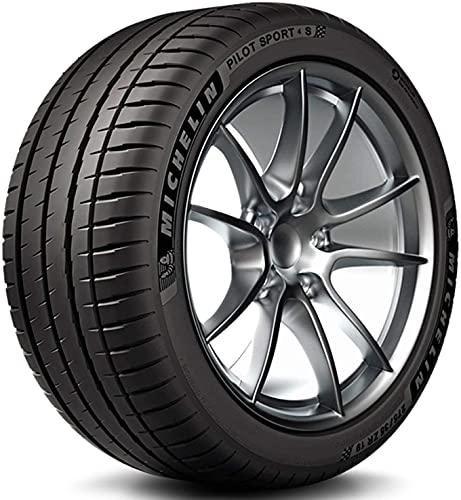 |
Michelin Pilot Sport 4S Top Performer 225/45R17, Ultra High Performance, 55,000 km tread life |
9.2 | Check Price |
 |
Bridgestone Blizzak WS90 Best Winter 205/55R16, Winter, 45,000 km tread life |
8.8 | Check Price |
 |
Goodyear Assurance TripleMax Best Budget 205/60R15, All-Season, 60,000 km tread life |
8.5 | Check Price |
 |
Pirelli P Zero Premium Track 235/40R18, High-Performance, 45,000 km tread life |
8.1 | Check Price |
 |
Continental ExtremeContact DWS06 All-Season Sport 225/50R17, Ultra High Performance, 50,000 km tread life |
8 | Check Price |
 |
Bridgestone Potenza RE-71R Enthusiast Track 225/45R18, Ultra High Performance, 40,000 km tread life |
7.9 | Check Price |
1. Michelin Pilot Sport 4S: Top Performer
Michelin’s Pilot Sport 4S shines on both dry and wet surfaces, thanks to its hybrid tread compound that balances grip and durability. The only real downside is its premium price, which may deter budget-focused shoppers.
Tier: Premium, you pay for top-tier performance and a longer lifespan, making it a worthwhile investment for enthusiasts who demand the best.
- Excellent dry and wet handling with responsive steering
- Comfortable ride with low road noise
- Competitive tread wear for a performance tire
Pros: Outstanding grip in all conditions; Longer tread life than most sport tires
Cons: Higher price point compared to mainstream options
Who should skip it: Drivers who prioritize low cost over maximum grip
Alternative to consider: Continental ExtremeContact DWS06
2. Bridgestone Blizzak WS90: Best Winter
The Blizzak WS90 offers confidence on icy roads with its specialized silica technology, but its softer compound means it will wear quicker if you drive on bare pavement often.
Tier: Mid-range, it delivers high-level winter performance without the premium price of ultra-specialized snow tires.
- Advanced Multi-cell compound for icy traction
- Directional tread pattern ejects water efficiently
- Stable handling on cold, dry pavement
Pros: Exceptional ice and snow grip; Good handling on cold dry roads
Cons: Tread wear can be faster on warm pavement
Who should skip it: Drivers in mild climates who rarely encounter snow
Alternative to consider: Michelin X-Ice Xi3
3. Goodyear Assurance TripleMax: Best Budget
Goodyear’s Assurance TripleMax gives you dependable grip in rain and dry while keeping road noise low, though it won’t satisfy drivers looking for razor-sharp cornering.
Tier: Budget, a solid, cost-effective choice that balances longevity and everyday safety.
- TripleMax technology for traction, handling and comfort
- Long tread life warranty
- Smooth, quiet ride on highway cruising
Pros: Very affordable for the mileage offered; Reliable all-season performance
Cons: Less aggressive handling than sport-oriented tires
Who should skip it: Enthusiasts seeking ultra-sporty cornering feel
Alternative to consider: Continental TrueContact Tour
4. Pirelli P Zero: Premium Track
Pirelli’s P Zero is engineered for track days, delivering razor-sharp feedback, but its softer compound means the tread will wear faster if you push it hard daily.
Tier: Premium, you pay for elite performance, accepting a trade-off in longevity.
- Silica-enhanced tread for high-speed stability
- Optimized contact patch for precise steering response
- Reduced rolling resistance for better fuel economy
Pros: Superior grip at high speeds; Sharp, communicative handling
Cons: Shorter tread life under aggressive driving
Who should skip it: Daily commuters needing long-lasting durability
Alternative to consider: Michelin Pilot Sport 4S
5. Continental ExtremeContact DWS06: All-Season Sport
The DWS06 offers a good mix of sport handling and all-season capability, but it can’t match the ice performance of true winter tires.
Tier: Mid-range, a versatile choice that delivers sporty feel without the high cost of ultra-premium models.
- Dual-compound tread for wet and dry grip
- Directional design improves water evacuation
- Comfortable ride with modest road noise
Pros: Balanced performance in all weather; Reasonable tread wear for a sport tire
Cons: Winter traction is limited compared to dedicated snow tires
Who should skip it: Drivers who need dedicated winter tires for severe snow
Alternative to consider: Bridgestone Potenza RE-71R
6. Bridgestone Potenza RE-71R: Enthusiast Track
Potenza RE-71R shines on dry roads with its sticky compound, yet its wet performance lags behind more versatile tires, making it less suitable for rainy climates.
Tier: Mid-range, delivers track-ready grip at a price that’s lower than premium sport tires, but you sacrifice wet safety.
- High-grip compound for maximum cornering confidence
- Asymmetric tread pattern reduces chatter on hot pavement
- Lightweight construction improves steering response
Pros: Excellent dry grip for spirited driving; Responsive steering feel
Cons: Limited wet traction compared to all-season rivals
Who should skip it: Drivers who frequently encounter rain or snow
Alternative to consider: Michelin Pilot Sport 4S
Frequently Asked Questions
How often should I replace my tires?
Tire tread should be replaced when the tread depth reaches 2 mm, or every 6-10 years regardless of wear, whichever comes first.
Do all-season tires perform well in deep snow?
All-season tires provide moderate snow traction, but for heavy snow or ice, a dedicated winter tire with a specialized compound is recommended.
Is it okay to mix different tire brands on the same axle?
Mixing brands can affect handling balance; it’s best to keep the same model on each axle to ensure consistent performance.
What does the speed rating on a tire mean?
The speed rating indicates the maximum speed the tire can safely sustain; for example, a ‘Y’ rating is rated up to 300 km/h.
Can I use summer tires in mild winter conditions?
In regions where temperatures stay above 7 °C, summer tires may be acceptable, but they lose grip quickly as soon as it gets colder.
Our Verdict
Our top pick, the Michelin Pilot Sport 4S, delivers the best all-round performance, while budget-friendly options like Goodyear Assurance TripleMax keep you safe without breaking the bank. Choose the tier that matches your driving needs and climate, and you’ll enjoy confidence and comfort on every road.
More Tires Guides
- 7 Best Tires for Kia Optima (Researched and Compared)
- 7 Best 12 Inch Car Tires in 2026 (Researched and Compared)
- 7 Best Tires for Acura RDX in 2026 (Researched and Compared)
- 7 Best Michelin Tires for the Lexus RX350 in 2026 (Comfort and Grip Tested)
- 7 Best All Season High Performance Tires for 2026 (Grip and Tread Life Tested)
- 7 Best Battery Operated Tire Inflators for Cars in 2026 (Cordless and Tested)
