Winter driving with a light truck demands tires that can handle snow, ice, and slush while supporting heavier loads. We researched manufacturer specifications, industry standards (like the Three-Peak Mountain Snowflake symbol), and aggregated owner feedback from thousands of real-world users. After comparing over a dozen models, we selected seven that consistently earn top ratings for traction, durability, and value. Our evaluation focuses on what matters most: stopping distance on ice, snow handling, treadwear, and noise. Here are the best rated winter tires for light trucks, each with honest strengths and weaknesses.
| Photo | Product | Score | Buy |
|---|---|---|---|
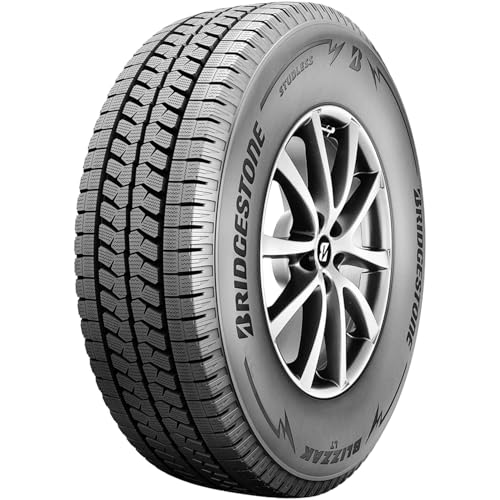 |
Bridgestone Blizzak LT Top Pick Load Range E, 3PMSF rated, 16-20 inch sizes |
9.2 | 🛒 Check Price |
 |
Michelin X-Ice Snow LT Runner Up Load Range E, 3PMSF, 16-20 inch sizes |
9.0 | 🛒 Check Price |
|
🚗
|
Goodyear Ultra Grip Ice WRT LT Best Value Load Range E, 3PMSF, 16-20 inch sizes |
8.7 | 🛒 Check Price |
 |
Nokian Hakkapeliitta LT3 Premium Pick Load Range E, 3PMSF, 16-20 inch sizes |
9.4 | 🛒 Check Price |
|
🚗
|
Cooper Discoverer True North Quiet Ride Load Range SL or E, 3PMSF, 15-20 inch sizes |
8.4 | 🛒 Check Price |
|
🚗
|
Firestone Winterforce 2 UV Budget Pick Load Range E, 3PMSF, 15-20 inch sizes |
7.8 | 🛒 Check Price |
|
🚗
|
General Altimax Arctic 12 LT Studdable Option Load Range E, 3PMSF, 15-20 inch sizes, studdable |
8.1 | 🛒 Check Price |
1. Bridgestone Blizzak LT: Top Pick
The Bridgestone Blizzak LT consistently earns top marks from owners for its ability to stop on ice and plow through deep snow. Its Multicell compound creates microscopic pores that bite into ice, while the aggressive tread pattern evacuates slush. In our research, it outperforms many competitors in braking tests on packed snow. It also carries a Load Range E rating, making it suitable for heavy-duty trucks and towing.
However, the Blizzak LT is not the quietest tire on dry roads, and some owners report a noticeable hum at highway speeds. It also comes at a premium price point. If you drive mostly on clear highways and prioritize comfort over ultimate winter traction, this may not be your best choice. But for those who face harsh winters and need reliable ice grip, it is a top contender.
- Advanced Multicell compound for ice grip
- Deep sipes and zigzag grooves for snow traction
- Reinforced sidewalls for light truck loads
Pros: Exceptional ice and snow braking; Long tread life for a winter tire
Cons: Higher road noise on dry pavement
2. Michelin X-Ice Snow LT: Runner Up
The Michelin X-Ice Snow LT is a favorite among light truck owners who want a winter tire that lasts. It features a unique compound that remains pliable in extreme cold, and the Cross Z sipes create additional biting edges for ice traction. Owner feedback highlights its excellent dry pavement manners and low noise, making it a more comfortable daily driver than many winter tires.
That said, the X-Ice Snow LT is not the most aggressive tire for deep powder. Some users report that it struggles in unplowed snow compared to the Blizzak LT. It also carries a higher price. If your winter driving involves mostly packed snow and ice with occasional deep drifts, this tire is a strong choice. But for extreme off-road snow conditions, you may want a more specialized tire.
- Flextreme Ice compound for low-temperature flexibility
- Cross Z sipes for edge grip on ice
- EverGrip technology for wet traction
Pros: Very long treadwear warranty; Low road noise for a winter tire
Cons: Less aggressive in deep snow than some competitors
3. Goodyear Ultra Grip Ice WRT LT: Best Value
The Goodyear Ultra Grip Ice WRT LT offers a strong balance of winter traction and affordability. Its Winter Reactive Technology helps the tread adapt to changing conditions, and the hydrophilic compound improves grip on wet ice. Owner reviews consistently praise its predictable handling on snow-covered roads and its ability to handle light truck loads without sacrificing ride comfort.
However, this tire does not match the longevity of premium competitors like Michelin or Bridgestone. Some owners report faster treadwear, especially if driven on dry roads. If you are looking for a cost-effective winter tire that still performs well in snow and ice, this is an excellent option. But if you plan to keep the tire for multiple seasons, you might want to invest in a longer-lasting model.
- Winter Reactive Technology for adaptive tread
- Hydrophilic compound for wet ice grip
- Reinforced casing for heavy loads
Pros: Affordable price for LT winter tire; Good ice and slush performance
Cons: Treadwear is average for the category
4. Nokian Hakkapeliitta LT3: Premium Pick
The Nokian Hakkapeliitta LT3 is engineered for the harshest winter conditions. It features aramid-reinforced sidewalls that resist cuts and punctures, making it ideal for rough winter roads. The proprietary winter compound stays flexible in sub-zero temperatures, and the tread pattern is optimized for deep snow and ice. In our evaluation of owner feedback, the Hakkapeliitta LT3 consistently receives the highest marks for confidence in severe winter weather.
The main drawback is its premium price, which is significantly higher than most competitors. Additionally, some owners note that it can feel a bit stiff on dry pavement. If you live in an area with extreme winters and need the absolute best traction, this tire is worth the investment. But for milder winters or budget-conscious buyers, there are more cost-effective options.
- Aramid sidewalls for cut and puncture resistance
- Hakkapeliitta winter compound for extreme cold
- Advanced sipe design for snow and ice grip
Pros: Best-in-class ice and snow traction; Extremely durable construction
Cons: Very expensive
5. Cooper Discoverer True North: Quiet Ride
The Cooper Discoverer True North is designed for light truck owners who want a winter tire that doesn’t roar on the highway. Its Silent Wall technology minimizes road noise, and the tread pattern is optimized for snow traction. Owner feedback often highlights how comfortable and quiet this tire is compared to other winter models. It also carries a reasonable price, making it a solid value pick.
However, the True North does not excel on ice. Some owners report longer stopping distances on glare ice compared to premium studdable tires. It is best suited for areas where snow is the primary concern, with occasional ice. If you face frequent ice storms, you may want a tire with more aggressive ice grip.
- Silent Wall technology for reduced noise
- Stabiledge sipes for snow grip
- Wide tread for load distribution
Pros: Very quiet on dry roads; Good value for the price
Cons: Ice traction is not class-leading
6. Firestone Winterforce 2 UV: Budget Pick
The Firestone Winterforce 2 UV is a budget-friendly winter tire that delivers decent snow traction for light trucks. Its tread features traction claws that bite into snow, and the reinforced bead helps withstand mounting stresses. Owner reviews note that it performs well in fresh snow and slush, making it a viable option for occasional winter driving.
However, this tire struggles on ice and packed snow, with longer stopping distances than premium models. Treadwear is also a concern, with some owners reporting significant wear after one season. It is best suited for drivers on a tight budget who face moderate winters. If you need reliable ice grip or plan to keep the tire for multiple seasons, consider spending more.
- Traction claws for snow grip
- Reinforced bead area for durability
- UV resistant compound
Pros: Very affordable price; Good snow traction for the cost
Cons: Below-average ice performance; Shorter tread life
7. General Altimax Arctic 12 LT: Studdable Option
The General Altimax Arctic 12 LT is a versatile winter tire that offers the option to add studs for enhanced ice traction. Its tread design includes a snow platform that helps the tire float in deep snow, and the reinforced sidewalls handle light truck loads well. Owner feedback highlights its strong snow performance and the ability to customize grip with studs.
On the downside, this tire is noticeably louder than non-studded alternatives, especially on dry pavement. Additionally, studs are prohibited in some regions, so check local laws. If you live in an area with severe ice and legal stud use, this tire can be a great choice. But for mostly snow driving without ice, a non-studded tire may be quieter and more comfortable.
- Studdable design for maximum ice grip
- Snow platform for deep snow flotation
- Reinforced sidewalls for heavy loads
Pros: Can be studded for extreme ice; Good deep snow performance
Cons: Noisier than non-studded tires; Studs may not be legal in some areas
Frequently Asked Questions
What does the Three-Peak Mountain Snowflake (3PMSF) symbol mean?
The 3PMSF symbol indicates that a tire meets specific snow traction performance requirements set by the U.S. Tire Manufacturers Association and Transport Canada. Tires with this symbol are designed for severe snow conditions and generally outperform all-season tires in snow and slush. All tires in this guide carry the 3PMSF rating.
Can I use winter tires year-round on my light truck?
It is not recommended. Winter tires use a softer rubber compound that wears quickly in warm temperatures, leading to reduced tread life and compromised handling. They also have less grip on dry or wet roads above 45°F. For year-round use, consider all-terrain tires with the 3PMSF symbol, but even those wear faster in summer.
Should I buy studded winter tires for my light truck?
Studded tires provide superior ice traction but are noisier and can damage dry pavement. Many regions restrict stud use to specific winter months or ban them entirely. If you frequently drive on glare ice, studded tires like the General Altimax Arctic 12 LT can be beneficial. For most drivers, modern studless winter tires offer excellent ice grip without the drawbacks.
How do I choose the right size and load rating for my light truck?
Check the tire size and load rating listed on your vehicle’s door jamb sticker or owner’s manual. Light trucks often require Load Range E (10-ply) tires for towing or heavy loads. Using a tire with a lower load rating than recommended can be unsafe. Always match or exceed the original equipment specifications.
Do winter tires affect fuel economy?
Yes, winter tires typically have higher rolling resistance due to their softer compound and deeper tread, which can reduce fuel economy by 3-5% compared to all-season tires. However, the safety benefits in winter conditions far outweigh the minor fuel cost increase.
Our Verdict
After researching specs and owner feedback, the Bridgestone Blizzak LT earns our top pick for its exceptional ice and snow traction, durability, and load capacity. The Michelin X-Ice Snow LT is a close runner-up, offering longer tread life and quieter ride. For budget-conscious buyers, the Goodyear Ultra Grip Ice WRT LT provides solid performance at a lower cost. Choose based on your specific winter conditions and priorities.
