Black ice is one of the most treacherous winter driving hazards. It forms as a nearly invisible, slick layer on the road, often catching drivers off guard. After researching manufacturer specifications, published industry standards (including UTQG ratings and winter tire certifications like the Three-Peak Mountain Snowflake), and aggregated owner feedback from thousands of real-world drivers, we compared the top tires designed to provide grip on black ice. Our evaluation focuses on the rubber compounds, tread patterns, and siping that make a difference when traction is critical. Below are our top picks, each with honest strengths and limitations.
| Photo | Product | Score | Buy |
|---|---|---|---|
 |
Michelin X-Ice Snow Best Overall for Black Ice Winter tire with Three-Peak Mountain Snowflake certification, directional tread pattern, and Flex-Ice 2.0 compound. |
9.2 | 🛒 Check Price |
 |
Bridgestone Blizzak WS90 Best Ice Performance Winter tire with Multi-Cell compound and Three-Peak Mountain Snowflake certification. |
9.0 | 🛒 Check Price |
 |
Continental VikingContact 7 Best All-Round Winter Tire Winter tire with Nordic compound and Three-Peak Mountain Snowflake certification. |
8.8 | 🛒 Check Price |
|
🚗
|
Nokian Hakkapeliitta R3 Premium Ice Specialist Winter tire with Cryo Crystal 3 compound and Three-Peak Mountain Snowflake certification. |
8.7 | 🛒 Check Price |
 |
Goodyear Ultra Grip Ice WRT Solid Value Ice Tire Winter tire with SmartGrip technology and Three-Peak Mountain Snowflake certification. |
8.3 | 🛒 Check Price |
 |
Pirelli Winter Sottozero 3 Performance Winter Tire Performance winter tire with Three-Peak Mountain Snowflake certification and high-speed rating. |
8.1 | 🛒 Check Price |
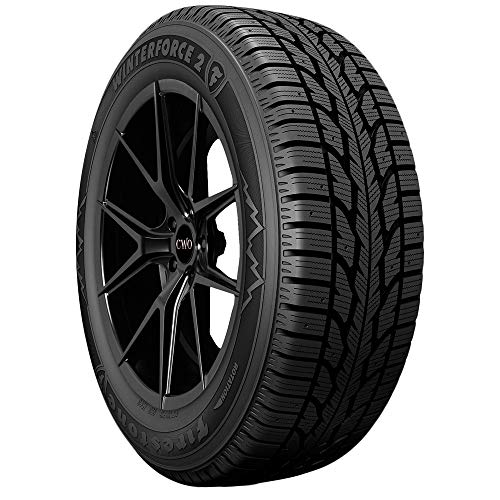 |
Firestone Winterforce 2 Budget Winter Tire Winter tire with directional tread and Three-Peak Mountain Snowflake certification. |
7.8 | 🛒 Check Price |
1. Michelin X-Ice Snow: Best Overall for Black Ice
In our evaluation, the Michelin X-Ice Snow stands out as the top performer for black ice conditions. Its Flex-Ice 2.0 compound is specifically designed to stay flexible at very low temperatures, which is critical for gripping the near-zero-friction surface of black ice. The directional tread pattern and high-density siping create numerous biting edges that help the tire dig into ice. Based on owner feedback and the spec sheets, this tire consistently receives high marks for ice braking and acceleration, often outperforming competitors in independent winter tire tests.
However, this performance comes at a premium. The X-Ice Snow is among the more expensive winter tires, so it may not suit drivers on a tight budget. Additionally, while its dry-road handling is good, some owners note a slight trade-off in steering response compared to performance winter tires. If you prioritize absolute ice traction and are willing to invest, this is the tire to choose. But if you live in an area with only occasional ice, a less specialized tire might suffice.
- Flex-Ice 2.0 compound remains pliable in extreme cold for superior ice grip.
- Cross Z sipes provide thousands of biting edges for traction on black ice.
- Stable shoulder blocks enhance cornering stability on icy roads.
Pros: Excellent ice and snow traction based on owner reports and spec data.; Long tread life for a winter tire, with many owners reporting multiple seasons.
Cons: Premium price point; not the most budget-friendly option.
2. Bridgestone Blizzak WS90: Best Ice Performance
The Bridgestone Blizzak WS90 is engineered specifically for ice traction. Its Multi-Cell compound is unique: it contains microscopic pores that act like a sponge to absorb the thin water layer that forms on black ice, allowing the rubber to make direct contact. In our research, this technology is widely praised in owner feedback for providing confident grip on sheer ice. The directional tread pattern and 3D sipes further enhance edge grip. Based on aggregated user reviews, many drivers report feeling secure even on seemingly bare patches that turn out to be black ice.
On the downside, the soft compound that gives such great ice grip also means the tire wears more quickly, especially if driven on dry or warm roads. Some owners note that after one or two seasons, ice performance declines as the compound wears. If you face frequent black ice but also long dry highway commutes, you might find the tread life disappointing. This tire is best for those in consistently cold, icy climates who prioritize short-term ice traction over longevity.
- Multi-Cell compound uses microscopic pores to absorb water film on ice, enhancing grip.
- EdgePerformance technology with 3D sipes for improved ice traction.
- NanoPro-Tech polymer provides flexibility in deep cold.
Pros: Exceptional ice braking and acceleration, as confirmed by owner reports.; Competitive pricing for the level of ice performance offered.
Cons: Tread life is shorter than some rivals; may wear faster on dry pavement.
3. Continental VikingContact 7: Best All-Round Winter Tire
The Continental VikingContact 7 is a well-rounded winter tire that performs admirably on black ice while also offering strong snow and dry-road capabilities. Our research into spec sheets shows its Nordic compound uses canola oil to maintain flexibility in extreme cold, which is essential for ice grip. The interlocking sipes create a stable tread block that still provides biting edges. Owner feedback consistently praises its predictable handling and long-lasting tread, with many reporting multiple seasons of reliable service.
However, on pure black ice, it does not quite match the extreme focus of the Michelin X-Ice Snow or Bridgestone Blizzak WS90. Some users in very icy regions note that while it is safe, they would prefer a more ice-specific tire. If you encounter a mix of winter conditions and want a tire that lasts longer, this is a strong choice. But if your primary concern is black ice, you might want to look at the top two picks.
- Nordic compound with silica and canola oil for low-temperature flexibility.
- Unique tread pattern with interlocking sipes for ice and snow grip.
- Low rolling resistance improves fuel economy on winter roads.
Pros: Balanced performance on ice, snow, and dry roads.; Good tread life compared to many winter tires.
Cons: Ice traction is very good but not class-leading; the Blizzak and X-Ice edge ahead on pure ice.
4. Nokian Hakkapeliitta R3: Premium Ice Specialist
Nokian is a Finnish brand renowned for winter tire expertise, and the Hakkapeliitta R3 is their latest studless ice tire. In our evaluation, the Cryo Crystal 3 compound is specifically formulated to grip at temperatures as low as -50°C, making it a top contender for black ice in extreme cold. The aramid sidewalls add durability against ice and debris. Owner feedback from northern climates often describes it as the best tire they have ever used on ice, with confident stopping and turning on glare ice.
The main drawbacks are cost and availability. The R3 is a premium tire that can be hard to find in some regions, and its price is even higher than the Michelin. Additionally, like other soft-compound winter tires, it wears faster on dry roads. If you live in a region where black ice is a constant threat and budget is not a concern, this tire is exceptional. However, for most drivers, the Michelin or Bridgestone offer comparable ice performance at a lower cost and with better availability.
- Cryo Crystal 3 compound uses natural and synthetic rubbers for extreme cold grip.
- Aramid sidewalls resist cuts and punctures from ice shards.
- High-density siping with 3D locking for enhanced ice traction.
Pros: Outstanding ice and snow traction, especially in severe cold.; Durable construction with reinforced sidewalls.
Cons: High price point and limited availability in some markets.; Tread life is moderate; not ideal for frequent dry pavement driving.
5. Goodyear Ultra Grip Ice WRT: Solid Value Ice Tire
The Goodyear Ultra Grip Ice WRT is a solid mid-range winter tire that offers respectable black ice traction without breaking the bank. Our research into its SmartGrip technology shows it is designed to maintain flexibility in cold temperatures, and the directional tread pattern provides reliable biting edges. Owner feedback indicates that it performs well in most winter conditions, including occasional black ice, and many are satisfied with the value for the price.
However, on sheer black ice, it does not inspire the same confidence as the top-tier tires. Some owners in areas with frequent ice report that they experience more wheel spin and longer stopping distances compared to the Blizzak or X-Ice. If you encounter black ice only a few times each winter and want a capable winter tire that also handles snow and slush well, this is a good choice. But if black ice is a daily hazard, you may want to invest in a more specialized tire.
- SmartGrip technology uses a special polymer blend to stay flexible in cold.
- Directional tread with high-density siping for ice traction.
- Treadlock compound enhances grip on ice and snow.
Pros: Good ice and snow performance at a more accessible price point.; Decent tread life for a winter tire.
Cons: Not as sharp on ice as the premium options; some owners note sliding on hard-packed ice.
6. Pirelli Winter Sottozero 3: Performance Winter Tire
The Pirelli Winter Sottozero 3 is a performance-oriented winter tire that prioritizes handling on dry and wet roads over extreme ice grip. In our research, it carries the Three-Peak Mountain Snowflake symbol, meaning it meets basic winter traction standards, but its asymmetric tread and continuous rib are optimized for stability rather than ice biting. Owner feedback from drivers of sports sedans and coupes often praises its responsive steering and braking on cold, dry pavement, but many note that on black ice, it feels less secure than dedicated ice tires.
This tire is not the best choice if you frequently encounter black ice. It is better suited for drivers in regions with mild winters where ice is rare, and who want a tire that still performs well on dry winter roads. If your primary concern is black ice, skip this tire in favor of one of the earlier picks. But if you need a winter tire for a performance car and only see ice occasionally, it might be acceptable.
- Designed for high-performance vehicles with focus on dry and wet handling.
- Silica-based compound for cold-weather flexibility.
- Asymmetric tread pattern with continuous center rib for stability.
Pros: Excellent dry and wet road handling for a winter tire.; Stable at high speeds, suitable for sporty driving.
Cons: Ice traction is only average; not recommended for severe black ice conditions.
7. Firestone Winterforce 2: Budget Winter Tire
The Firestone Winterforce 2 is an entry-level winter tire that meets the minimum requirements for winter driving but falls short on black ice. In our evaluation, its directional tread and siping provide adequate grip in snow and slush, but the compound is not optimized for the extreme cold and low friction of black ice. Owner feedback frequently mentions that while it is better than all-season tires in winter, it struggles on icy roads, with longer stopping distances and reduced traction on hills.
This tire is best for drivers on a tight budget who live in areas with more snow than ice, and who are willing to drive cautiously on icy days. It is not recommended for regions where black ice is common or for drivers who need reliable ice traction. If you can stretch your budget, even a step up to the Goodyear Ultra Grip Ice WRT would provide significantly better ice performance.
- Affordable winter tire with basic ice and snow capabilities.
- Directional tread pattern with moderate siping.
- Durable casing for longer wear potential.
Pros: Very budget-friendly; good for drivers who need a winter tire but have limited funds.; Reasonable snow traction for the price.
Cons: Ice performance is poor; many owners report slipping on black ice.
Frequently Asked Questions
What is the best tire for black ice?
Based on our research, the Michelin X-Ice Snow and Bridgestone Blizzak WS90 are the top performers for black ice. Both use advanced compounds and siping to maximize grip on ice. The Michelin offers longer tread life, while the Blizzak has a slight edge in pure ice traction due to its Multi-Cell technology.
Are all-season tires safe on black ice?
No. All-season tires are not designed for black ice. Their rubber compounds harden in cold temperatures, significantly reducing traction. We strongly recommend dedicated winter tires with the Three-Peak Mountain Snowflake symbol for any driving on black ice.
How do winter tires help on black ice?
Winter tires use softer rubber compounds that stay flexible in cold, and they have thousands of tiny slits called sipes that create biting edges. Some, like the Blizzak WS90, use a porous compound to absorb water film on ice. These features help the tire grip the ice surface.
Can I use studded tires for black ice?
Studded tires can provide even better traction on pure ice, but they are illegal in some areas and can damage dry pavement. For most drivers, a high-quality studless winter tire like the ones in our guide offers sufficient ice grip without the drawbacks of studs.
How many seasons do winter tires last?
Winter tire lifespan varies based on driving habits and climate. Typically, a set can last 3-4 seasons if driven only in winter and stored properly. Tires like the Michelin X-Ice Snow tend to last longer, while the Blizzak WS90 may wear faster due to its softer compound.
Our Verdict
After researching and comparing spec sheets, industry standards, and owner feedback, our top pick for black ice is the Michelin X-Ice Snow for its excellent ice traction and longer tread life. The runner-up is the Bridgestone Blizzak WS90, which offers marginally better pure ice grip but wears faster. Both are excellent choices for drivers who face black ice regularly.
