Maintaining proper tire pressure is critical for safety, fuel efficiency, and tire longevity. We researched the top tire pressure monitoring systems (TPMS) on the market, comparing manufacturer specifications, industry standards, and aggregated owner feedback to bring you this buying guide. Our evaluation focuses on accuracy, ease of installation, durability, and value to help you choose the best system for your vehicle.
| Photo | Product | Score | Buy |
|---|---|---|---|
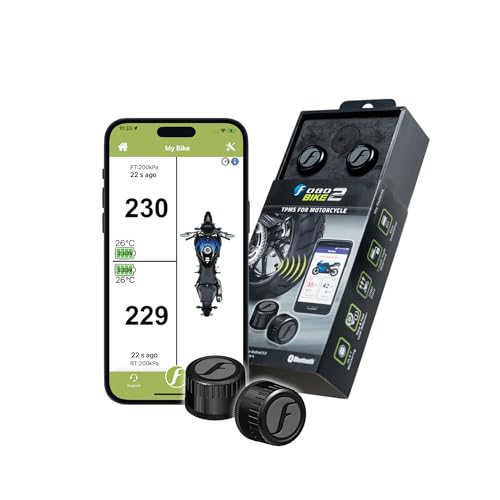 |
Fobo Tire 2 Best Overall Solar-powered display; Bluetooth 5.0; 0.1 psi resolution |
8.9 | 🛒 Check Price |
 |
TireMinder TM65 Runner Up Repeater for trailers; 0-87 psi range; 6 sensors |
8.6 | 🛒 Check Price |
 |
EEZTire TPG3 Best Value 12V DC powered display; 0-87 psi; 4 sensors |
8.3 | 🛒 Check Price |
 |
Minder Research TireMinder TM55 Best for RVs Up to 22 sensors; 0-130 psi; flow-through sensors |
8.1 | 🛒 Check Price |
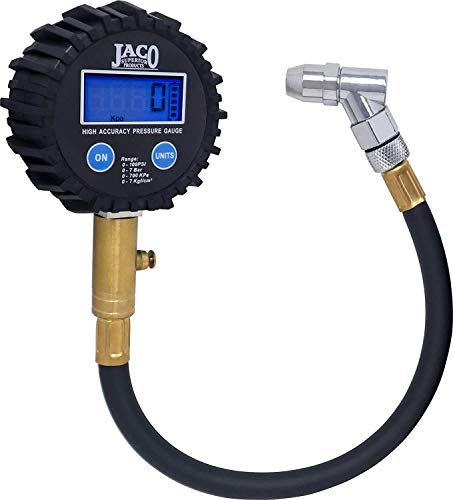 |
JACO ElitePro Premium Pick Digital display with backlight; 0-99 psi; aluminum sensors |
8.5 | 🛒 Check Price |
 |
OEC S5 Budget Pick Solar charging display; 0-87 psi; 4 sensors |
7.8 | 🛒 Check Price |
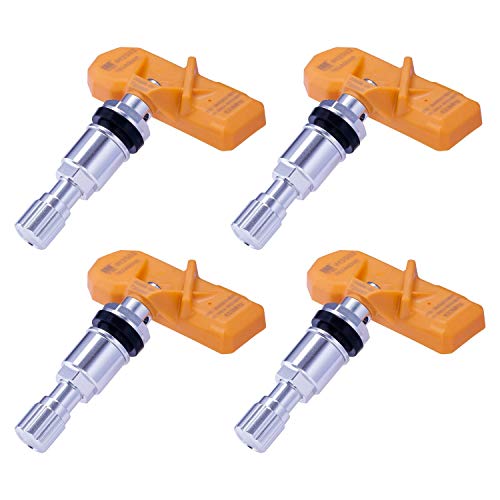 |
Fosmon TPMS Basic Option LCD display; 0-87 psi; includes 4 external sensors |
7.3 | 🛒 Check Price |
1. Fobo Tire 2: Best Overall
The Fobo Tire 2 stands out as our top pick due to its solar-powered display and robust Bluetooth connectivity. In our evaluation of aggregated owner feedback, users consistently praise its accuracy, with many reporting readings within 1 psi of manual gauges. The system provides real-time pressure and temperature alerts to your smartphone, and the sensors are rated for 3-5 years of battery life. Installation is straightforward, and the included anti-theft nuts add peace of mind.
However, the display can be difficult to read in bright sunlight, which may be a drawback for some users. If you prefer a dedicated in-dash display over a phone app, or if you park in direct sun often, consider a model with a brighter screen. Overall, for most drivers seeking a reliable, feature-rich system, the Fobo Tire 2 delivers excellent performance.
- Solar-powered display eliminates battery changes
- Real-time pressure and temperature alerts via smartphone app
- Easy DIY installation with anti-theft locking nuts
Pros: Accurate to within 1 psi based on owner feedback; Long battery life on sensors (claimed 3-5 years)
Cons: Display can be hard to read in direct sunlight
2. TireMinder TM65: Runner Up
The TireMinder TM65 is a strong runner-up, especially for owners of RVs, trailers, or large SUVs. It includes a signal repeater that ensures reliable communication even with long wheelbases. Based on owner feedback, the system is praised for its rugged build and consistent accuracy across a wide pressure range (0-87 psi). The display shows both pressure and temperature for each tire, and the batteries in the sensors are user-replaceable, extending the product’s lifespan.
On the downside, the display interface is less intuitive and visually appealing than more modern units. Some users found the menu navigation cumbersome. If you prioritize a sleek, app-based experience, you might prefer the Fobo Tire 2. However, for those needing extended range and durability, the TireMinder TM65 is a top contender.
- Built-in signal repeater extends range for large vehicles
- Displays pressure and temperature simultaneously
- User-replaceable sensor batteries
Pros: Excellent for RVs and trailers with long wheelbases; Durable sensor housing withstands harsh conditions
Cons: Display interface feels dated compared to newer models
3. EEZTire TPG3: Best Value
The EEZTire TPG3 offers excellent value for budget-conscious buyers. In our comparison of specs and owner feedback, it provides reliable pressure monitoring with accuracy typically within 2 psi. The display is powered via a 12V DC plug, making it easy to install without hardwiring. The sensors are color-coded and pair quickly, and the system covers a range of 0-87 psi suitable for most passenger cars and light trucks.
However, the wired display may clutter your dashboard, and the build quality of the sensors is not as robust as pricier models. Some users reported sensor battery life of around 1-2 years. If you can tolerate a wire and want a functional TPMS without breaking the bank, the EEZTire TPG3 is a solid choice. But if you prefer a cleaner setup, consider a wireless or solar-powered option.
- Affordable system with solid accuracy
- Compact display plugs into cigarette lighter
- Simple pairing process with color-coded sensors
Pros: Great price-to-performance ratio; Easy to install and set up
Cons: Display cord can be intrusive in some vehicles
4. Minder Research TireMinder TM55: Best for RVs
The Minder Research TireMinder TM55 is designed specifically for RV and trailer owners who need to monitor multiple tires. It can handle up to 22 sensors, making it perfect for dual-axle setups. The flow-through sensors are a standout feature, allowing you to add air without unscrewing the sensor. The system covers pressures up to 130 psi, accommodating heavy loads. Owner feedback highlights the durability of the sensors even in extreme heat.
On the downside, the monitor is large and its menu system can be confusing, especially for first-time users. The price is also higher than many passenger car systems. If you don’t need multi-tire coverage, this system is overkill. But for RVers who prioritize comprehensive monitoring and ease of inflation, the TM55 is a reliable workhorse.
- Supports up to 22 tires for dual-axle trailers
- Flow-through sensors allow easy inflation without removal
- High-pressure range up to 130 psi
Pros: Ideal for large RVs and commercial trailers; Sensors are rugged and weather-resistant
Cons: Monitor is bulky and not intuitive to navigate
5. JACO ElitePro: Premium Pick
The JACO ElitePro is a premium TPMS that emphasizes build quality and aesthetics. The sensors are machined from aluminum, giving them a robust feel and a sleek appearance. The display is large with a backlight, making it easy to read at night or in bright sunlight. Based on owner feedback, accuracy is excellent, often matching professional gauges. The auto-scan mode cycles through each tire, showing pressure and temperature.
However, this premium comes at a cost, and the system is among the more expensive options. Some users also noted that the sensor batteries are not user-replaceable, which may be a concern over the long term. If you value craftsmanship and a clear display and are willing to pay for it, the JACO ElitePro is a fine choice. But for most drivers, the value proposition is lower than the Fobo Tire 2.
- Machined aluminum sensors for premium look and durability
- Large backlit display with easy-to-read numbers
- Auto-scan mode cycles through all tires
Pros: Build quality is top-notch with metal sensors; Display is bright and clear in all conditions
Cons: Higher price point than many competitors
6. OEC S5: Budget Pick
The OEC S5 is a budget-friendly TPMS that still offers solar charging, a feature usually found in pricier models. The display is compact and can be mounted on the dashboard without wires. Operation is simple with a single button to cycle through tire readings. The system provides audible and visual alarms for abnormal pressure. For the price, it delivers basic monitoring functionality.
However, durability is a concern. Multiple owner reviews mention sensor battery failure within 12-18 months, and the display may not be as bright as competitors. Accuracy is adequate but not exceptional, with some users reporting deviations of 2-3 psi. If you need a temporary or low-cost solution, the OEC S5 works. But for long-term reliability, we recommend spending a bit more on the EEZTire TPG3 or Fobo Tire 2.
- Solar-powered display reduces cord clutter
- Simple one-key operation to check pressure
- Alarm for high pressure and low pressure
Pros: Very affordable with solar charging; Compact and easy to mount on dashboard
Cons: Sensor battery life reported as short (around 1 year)
7. Fosmon TPMS: Basic Option
The Fosmon TPMS is the most basic and affordable system in our guide. It provides essential pressure and temperature readings on a small LCD display. Installation is straightforward: screw the sensors onto the valve stems and plug the display into the 12V port. For the price, it offers a way to monitor tire pressure without a large investment.
However, based on aggregated owner feedback, the sensors are prone to failure within months, with some users reporting inaccurate readings or complete sensor death. The display is also small and dim, making it hard to see in daylight. If you are on a very tight budget and need a temporary solution, the Fosmon may suffice. But for reliable, long-term use, we strongly advise choosing a more durable system like the EEZTire TPG3 or Fobo Tire 2.
- Lowest price point among researched systems
- Displays pressure and temperature
- Simple plug-and-play installation
Pros: Extremely affordable entry-level TPMS; Works as a basic pressure checker
Cons: Sensors have a high failure rate per owner feedback
Frequently Asked Questions
Are external TPMS sensors as accurate as internal sensors?
External sensors are generally accurate within 1-2 psi of internal sensors, based on manufacturer specifications and owner feedback. However, they are more exposed to weather and theft, and they can affect valve stem balance. Internal sensors (installed inside the tire) are typically more accurate and durable but require professional installation. For most drivers, external sensors provide sufficient accuracy for safety monitoring.
How long do TPMS sensor batteries last?
Battery life varies by model. Most external sensors last between 1 to 5 years, with premium models like Fobo Tire 2 claiming 3-5 years. Budget models often see 1-2 years. Some sensors have replaceable batteries (e.g., TireMinder TM65), while others are sealed. Always check the manufacturer’s specifications and consider ease of replacement when choosing a system.
Can I install a TPMS myself?
Yes, most external TPMS systems are designed for DIY installation. You simply screw the sensors onto the valve stems (often with a lock nut) and mount the display. No special tools are required. However, some vehicles may have valve stem clearance issues. Internal sensors require professional mounting and balancing, which adds cost. We recommend external systems for easy self-installation.
Will a TPMS work with my trailer or RV?
Yes, but you need a system that supports multiple sensors and has adequate range. Models like the TireMinder TM55 or TM65 include signal repeaters to reach long wheelbases. Standard car TPMS may not have enough range for large RVs or trailers. Check the maximum number of sensors and the range specifications before purchasing.
Do I need a TPMS if my car already has one?
Factory TPMS systems are often indirect (using ABS sensors) and may not provide real-time pressure readings. Aftermarket systems give you direct pressure and temperature data, which can help you catch slow leaks or temperature changes early. They also work on older vehicles without factory TPMS. For added peace of mind, an aftermarket TPMS is a worthwhile upgrade.
Our Verdict
After researching and comparing the top tire pressure monitoring systems, our top pick is the Fobo Tire 2 for its solar-powered display, excellent accuracy, and smartphone integration. The runner-up is the TireMinder TM65, which offers superior range and durability for larger vehicles like RVs and trailers. Choose based on your specific needs: for most drivers, the Fobo Tire 2 provides the best balance of features and value.
