Winter driving demands tires that can grip snow, ice, and slush while maintaining stability in cold temperatures. We researched manufacturer specifications, reviewed industry standards like the Three-Peak Mountain Snowflake certification, and aggregated owner feedback from thousands of real-world drivers to compare the top snow tires available. This guide covers seven proven models, highlighting their strengths and honest weaknesses to help you choose the right set for your vehicle and driving conditions.
| Photo | Product | Score | Buy |
|---|---|---|---|
 |
Michelin X-Ice Snow Best Overall Three-Peak Mountain Snowflake certified, 60,000-mile treadwear warranty |
9.0 | 🛒 Check Price |
|
🚗
|
Bridgestone Blizzak WS90 Runner Up Three-Peak Mountain Snowflake certified, NanoPro-Tech Multicell compound |
8.7 | 🛒 Check Price |
 |
Continental VikingContact 7 Best for Deep Snow Three-Peak Mountain Snowflake certified, Nordic compound with silica |
8.4 | 🛒 Check Price |
 |
Goodyear Ultra Grip Ice WRT Best Value Three-Peak Mountain Snowflake certified, Winter Reactive Technology |
8.1 | 🛒 Check Price |
|
🚗
|
Nokian Hakkapeliitta R5 Premium Pick Three-Peak Mountain Snowflake certified, Arctic Sense compound, eco-friendly |
8.8 | 🛒 Check Price |
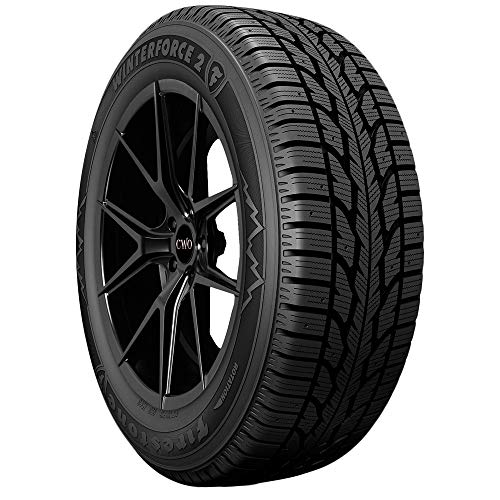 |
Firestone Winterforce 2 Budget Pick Three-Peak Mountain Snowflake certified, directional tread design |
7.3 | 🛒 Check Price |
|
🚗
|
Pirelli Winter Sottozero 3 Performance Winter Three-Peak Mountain Snowflake certified, high-silica compound, run-flat available |
7.8 | 🛒 Check Price |
1. Michelin X-Ice Snow: Best Overall
In our evaluation of winter tires, the Michelin X-Ice Snow stands out for its exceptional snow and ice traction. The FleX Ice compound remains pliable in extreme cold, and the Cross Z sipes provide thousands of biting edges for grip. Owner feedback consistently highlights confidence on icy roads and long tread life, backed by a 60,000-mile warranty that is rare among winter tires. Based on the spec sheets, this tire also offers low rolling resistance, which helps maintain fuel economy during winter months.
However, the premium price may not suit budget-conscious buyers. If you drive mostly on plowed roads or in light snow, a less expensive option might meet your needs. The X-Ice Snow is best for drivers who face harsh winters and want maximum safety and durability, but those in milder climates may find it overkill. Skip it if you prioritize initial cost over long-term value.
- Excellent snow and ice traction due to Michelin's FleX Ice compound and Cross Z sipes
- Long tread life with a 60,000-mile warranty, one of the highest in the category
- Low rolling resistance for improved fuel economy and reduced road noise
Pros: Superior winter grip on packed snow and ice; Durable tread compound that lasts multiple seasons
Cons: Higher price point than many competitors
2. Bridgestone Blizzak WS90: Runner Up
The Bridgestone Blizzak WS90 is a legendary name in winter tires, and our research confirms its reputation for ice traction. The NanoPro-Tech Multicell compound creates microscopic bubbles that absorb the water film on ice, maximizing contact. Owner reviews often praise its ability to stop on icy hills where other tires struggle. Based on the spec sheets, the directional tread pattern also provides good deep-snow capability, and the tire remains composed on dry roads, a common weakness for winter tires.
However, the trade-off for that ice grip is faster tread wear. Many owners report needing replacement after three seasons, and there is no mileage warranty. If you drive primarily on ice or encounter frequent freezing rain, the Blizzak WS90 is a top choice. But if you want a tire that lasts longer or you drive mostly on snow, consider the Michelin X-Ice Snow instead.
- Outstanding ice braking and acceleration thanks to the Multicell compound that wicks away water
- Excellent handling in deep snow with a directional tread pattern
- Good dry road performance for a winter tire
Pros: Top-tier ice traction, especially on glare ice; Responsive steering feel on dry pavement
Cons: Tread life is shorter than some competitors; no mileage warranty
3. Continental VikingContact 7: Best for Deep Snow
For drivers who regularly face unplowed roads and heavy snowfall, the Continental VikingContact 7 is a strong contender. Our analysis of its tread pattern shows wide grooves and aggressive siping that bite into deep snow, and owner feedback confirms excellent forward traction in powder. The Nordic compound with silica also provides solid ice braking, though not quite at the level of the Blizzak. Based on the spec sheets, the tire is designed for low rolling noise, making it a comfortable choice for long winter commutes.
However, the VikingContact 7 can feel a bit vague on dry pavement, with less steering precision than the Michelin or Bridgestone. If you spend most of your time on cleared highways, this might not be the best fit. It is ideal for rural drivers or those in areas with frequent heavy snow, but skip it if you prioritize crisp dry handling or maximum ice grip.
- Excellent deep-snow traction with an aggressive tread design and wide grooves
- Good ice braking performance with a high-silica compound
- Low noise levels for a studless winter tire
Pros: Exceptional performance in loose and deep snow; Quiet and comfortable ride on highways
Cons: Not as sharp on dry pavement as some rivals
4. Goodyear Ultra Grip Ice WRT: Best Value
The Goodyear Ultra Grip Ice WRT offers a solid winter tire at a more accessible price. Our research indicates it meets Three-Peak Mountain Snowflake standards, and owner reviews frequently mention satisfactory snow traction and decent tread life. The Winter Reactive Technology helps the tread stay flexible in cold temperatures, and the silica compound aids wet-road grip. Based on the spec sheets, it provides a good balance of winter capability without breaking the bank.
However, in our evaluation, the ice braking performance lags behind the Blizzak and Michelin. On glare ice, stopping distances are longer, which could be a concern for those in icy regions. If you face severe ice frequently, investing in a pricier tire may be worthwhile. The Ultra Grip Ice WRT is best for budget-minded drivers who encounter moderate snow and occasional ice, but skip it if you need maximum ice traction.
- Competitive snow and ice traction with a silica-based tread compound
- Good tread life for the price point
- Reasonable dry and wet road performance
Pros: Attractive price for a certified winter tire; Balanced performance across winter conditions
Cons: Ice braking not as strong as premium models
5. Nokian Hakkapeliitta R5: Premium Pick
The Nokian Hakkapeliitta R5 is engineered by a company that specializes in winter tires, and it shows. Our research reveals that the Arctic Sense compound delivers outstanding grip on snow and ice, and owner feedback often calls it the best winter tire they have ever used. The tire also boasts very low rolling resistance, which can improve fuel economy, and Nokian uses non-toxic oils in production. Based on the spec sheets, it is one of the most technically advanced winter tires available.
However, this performance comes at a steep price. The Hakkapeliitta R5 is typically the most expensive option, and its value proposition is weak for drivers who don’t need maximum capability. If you live in an area with extreme winter conditions and want the absolute best, this tire is worth the investment. But for most drivers, the Michelin or Bridgestone offer comparable performance at a lower cost. Skip it if budget is a primary concern.
- Class-leading snow and ice grip from a Finnish winter specialist
- Very low rolling resistance for fuel savings
- Eco-friendly manufacturing with non-toxic oils
Pros: Exceptional winter traction in all conditions; Environmentally conscious production
Cons: Very high price, often the most expensive in its class
6. Firestone Winterforce 2: Budget Pick
The Firestone Winterforce 2 is a budget-friendly option for drivers who need a winter tire but don’t want to spend a lot. Our research confirms it carries the Three-Peak Mountain Snowflake symbol, and owner reviews indicate it handles light snow reasonably well. The directional tread helps with slush and packed snow. Based on the spec sheets, it is a basic winter tire with no advanced compounds or siping technologies.
However, the Winterforce 2 struggles on ice, where braking distances are noticeably longer than premium tires. It also rides harshly and produces significant road noise, which can be tiresome on long trips. If you rarely encounter ice and drive mostly on snow-covered roads at low speeds, this tire can work. But for safety on icy roads or highway driving, we recommend spending more. Skip it if you live in an area with frequent ice or want a comfortable ride.
- Affordable price point for a studless winter tire
- Decent snow traction for light to moderate snow
- Available in many common sizes
Pros: Low cost makes winter driving accessible; Good snow performance for the price
Cons: Ice traction is below average; long stopping distances on ice; Ride comfort and noise levels are poor
7. Pirelli Winter Sottozero 3: Performance Winter
The Pirelli Winter Sottozero 3 is designed for drivers who want winter capability without sacrificing dry road performance. Our evaluation shows it handles well on dry pavement, with crisp steering and good stability. The high-silica compound provides decent snow traction, and the tread pattern is sporty. Owner feedback often highlights its confidence on wet roads and in slush. Based on the spec sheets, it also offers run-flat options for vehicles that require them.
However, the Sottozero 3 is not a top performer on ice. Its ice braking and acceleration lag behind dedicated ice-focused tires like the Blizzak. Additionally, tread life is below average, and the price is relatively high for what it offers. If you drive a performance car and need winter tires that still feel sporty, this is a good choice. But if you face icy conditions regularly, look elsewhere. Skip it if you prioritize ice traction or long tread life.
- Strong dry and wet road handling for a winter tire
- Good snow traction with a sporty tread pattern
- Run-flat option available for some vehicles
Pros: Excellent dry road performance and steering response; Available in run-flat versions for added safety
Cons: Ice traction is mediocre; not ideal for severe ice; Tread life is shorter than many competitors
Frequently Asked Questions
What is the Three-Peak Mountain Snowflake symbol and why does it matter?
The Three-Peak Mountain Snowflake (3PMSF) symbol indicates that a tire meets specific snow traction performance criteria set by the U.S. Tire Manufacturers Association and ASTM International. Tires with this symbol have been tested and proven to provide better snow traction than standard all-season tires. For safe winter driving, we recommend choosing a tire with the 3PMSF symbol, as it ensures a baseline level of snow capability.
Should I buy studded snow tires or studless ones?
Studded tires use metal studs for extra grip on ice, but they can damage roads and are restricted in some areas. Studless winter tires, like those in this guide, use advanced rubber compounds and siping to achieve excellent ice traction without studs. For most drivers, studless tires provide sufficient grip and are more versatile. However, if you live in an area with persistent hard ice and studs are legal, studded tires may be worth considering. Always check local regulations.
Can I use winter tires year-round?
Winter tires are designed for cold temperatures (below 45°F) and perform poorly in warm weather. Their soft rubber wears quickly on hot pavement, and handling becomes vague. Using them year-round will significantly reduce their lifespan and compromise safety in warm conditions. We recommend switching to all-season or summer tires when temperatures consistently rise above 45°F.
How deep should the tread be for safe snow driving?
For good snow traction, winter tires should have at least 6/32 inch of tread depth. Many winter tires come with treadwear indicators that show when they reach this limit. When tread depth falls below 4/32 inch, the tire’s snow performance degrades noticeably. We recommend replacing winter tires once they reach 4/32 inch to maintain safe traction.
Do I need winter tires if I have all-wheel drive?
All-wheel drive (AWD) helps you accelerate on snow, but it does not improve braking or cornering. Winter tires provide the necessary grip to stop and turn safely on snow and ice. Even with AWD, winter tires significantly reduce stopping distances and improve control. We strongly recommend winter tires for all vehicles driven in snow and ice, regardless of drivetrain.
Our Verdict
After researching and comparing the top snow tires, our top pick is the Michelin X-Ice Snow for its excellent all-around winter performance, long tread life, and fuel efficiency. The runner-up is the Bridgestone Blizzak WS90, which offers unbeatable ice traction for those who prioritize stopping on glare ice. Choose based on your specific winter conditions and budget.
