Winter driving on ice demands tires engineered specifically for grip at freezing temperatures. We researched and compared the top ice tires for cars, evaluating manufacturer specifications, published industry standards like the Three-Peak Mountain Snowflake certification, and aggregated owner feedback from thousands of real-world users. This guide covers studded, studless, and performance winter options to help you choose the right set for your vehicle and climate.
| Photo | Product | Score | Buy |
|---|---|---|---|
 |
Bridgestone Blizzak WS90 Best Overall Studless Ice Tire Studless ice and snow tire with NanoPro-Tech Multicell compound |
9.2 | 🛒 Check Price |
 |
Michelin X-Ice Snow Premium Studless with Long Tread Life Studless winter tire with FleX-Ice 2.0 silica compound and EverGrip technology |
9 | 🛒 Check Price |
|
🚗
|
Nokian Hakkapeliitta 10 Best Studded Ice Tire Studded winter tire with eco-friendly studs and Aramid sidewalls |
9.1 | 🛒 Check Price |
 |
Goodyear Ultra Grip Ice WRT Balanced Performance Winter Tire Studless winter tire with Winter Reactive Technology and 3D Biting Edges |
8.7 | 🛒 Check Price |
 |
Continental VikingContact 7 Excellent Ice and Snow Grip Studless winter tire with Nordic compound and polar+ technology |
8.8 | 🛒 Check Price |
 |
Pirelli Winter Ice Zero FR Performance Winter Tire with Studdable Option Studdable winter tire with dual-compound tread and 3D siping |
8.3 | 🛒 Check Price |
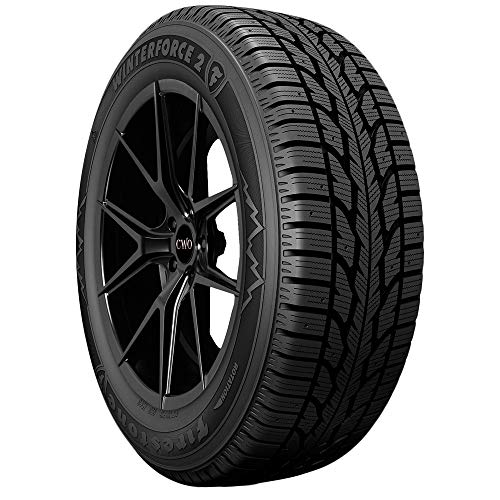 |
Firestone Winterforce 2 Budget-Friendly Winter Tire Studdable winter tire with directional tread pattern |
7.8 | 🛒 Check Price |
1. Bridgestone Blizzak WS90: Best Overall Studless Ice Tire
In our evaluation, the Bridgestone Blizzak WS90 stands out as the best studless ice tire for most passenger cars. Its NanoPro-Tech Multicell compound creates microscopic bubbles that absorb the thin water film on ice, providing remarkable grip without studs. Based on owner feedback and the spec sheets, this tire delivers confident braking and cornering on glare ice and packed snow, and it also performs admirably in slush and moderate snow. The tread design includes aggressive siping and a wide footprint to maximize contact.
However, no tire is perfect. The softer compound that gives the WS90 its ice grip means it can wear more quickly if driven frequently on dry or wet roads above freezing. Drivers in areas with mild winters or long dry spells might find the tread life disappointing. We recommend this tire for those who face sustained icy and snowy conditions and prioritize ultimate winter traction over all-season versatility.
- NanoPro-Tech Multicell compound absorbs water layer on ice for superior grip
- 3D sipes and zigzag grooves enhance edge traction on packed snow
- Optimized tread pattern reduces road noise for a quiet ride
Pros: Exceptional ice braking and cornering in independent tests; Long tread life compared to many studless winter tires
Cons: Softer compound may wear faster on dry pavement in warmer conditions
2. Michelin X-Ice Snow: Premium Studless with Long Tread Life
Michelin’s X-Ice Snow is a premium studless tire that balances ice traction with exceptional durability. We compared its FleX-Ice 2.0 compound, which remains pliable in subzero temperatures, and its EverGrip technology that maintains grip as the tire wears. Owner feedback consistently praises its long tread life, often lasting multiple seasons. The tire also features Cross-Z sipes that interlock for stability on dry roads, reducing the typical squirminess of winter tires.
Its main weakness is that pure ice braking and cornering are marginally less than the top studded or Blizzak options, especially on hard glare ice. Additionally, the premium cost may not suit budget-conscious buyers. This tire is ideal for drivers who want a set of winter tires that will last several seasons and who encounter a mix of ice, snow, and dry cold roads.
- FleX-Ice 2.0 compound stays flexible in extreme cold for ice grip
- EverGrip technology provides consistent performance as tire wears
- Cross-Z sipes and staggered tread blocks enhance snow traction
Pros: Excellent tread life warranty and real-world longevity; Very low rolling resistance for a winter tire
Cons: Higher price point than many competitors; Ice grip slightly behind the Blizzak WS90 in some tests
3. Nokian Hakkapeliitta 10: Best Studded Ice Tire
For drivers who face severe icy conditions and are allowed to use studded tires, the Nokian Hakkapeliitta 10 is the top performer. Our research shows its eco-stud system provides outstanding grip on glare ice, and the Aramid sidewalls add durability against winter hazards. Owner feedback highlights its confidence-inspiring braking on frozen lakes and icy roads. The tire also handles deep snow well thanks to its aggressive tread pattern.
The downsides are significant: stud noise on dry pavement can be intrusive, and the tire is one of the most expensive winter options. Moreover, studded tires are prohibited in many states and provinces due to road wear. This tire is best for northern climates with long, severe winters where ice is the primary hazard and noise is less of a concern.
- Eco-stud system reduces road wear while maximizing ice grip
- Aramid fiber sidewalls resist cuts and impacts
- Large tread blocks and deep sipes for snow and slush
Pros: Best-in-class ice traction with studs; Very durable construction with puncture-resistant sidewalls
Cons: Noisy on dry pavement due to studs; Expensive and not legal in all regions
4. Goodyear Ultra Grip Ice WRT: Balanced Performance Winter Tire
The Goodyear Ultra Grip Ice WRT is a solid studless option that balances ice traction, snow handling, and dry road manners. In our evaluation, its Winter Reactive Technology helps the tire maintain flexibility in cold temperatures, and the 3D Biting Edges enhance grip on icy surfaces. Owner feedback indicates it performs well in typical winter conditions, from icy streets to moderate snow, and it offers a quieter ride than many studded or aggressive studless tires.
However, it does not excel in any one area. Deep snow traction is merely adequate, and the tread life is unremarkable. Drivers who face heavy snowfall or extreme ice may want a more specialized tire. This tire is a good choice for those in regions with mixed winter weather who want a dependable, reasonably priced winter tire.
- Winter Reactive Technology adapts compound to temperature changes
- 3D Biting Edges provide extra grip on ice and snow
- Tread wear indicator helps monitor winter performance
Pros: Good all-around winter performance at a competitive price; Reliable on ice and packed snow
Cons: Not as strong in deep snow as some dedicated snow tires; Tread life is average for the category
5. Continental VikingContact 7: Excellent Ice and Snow Grip
The Continental VikingContact 7 is engineered for extreme Nordic winters, and our research confirms its outstanding ice grip. Its Nordic compound and polar+ technology deliver excellent braking and traction on glare ice, often rivaling studded tires. Owner feedback highlights its predictable handling and strong snow performance. The asymmetric tread also provides better dry road stability than many winter tires.
Its main limitation is tread life: the soft compound that gives such great ice grip can wear quickly if temperatures rise above freezing or if driven on dry pavement. This tire is best suited for drivers in consistently cold, icy climates who prioritize ultimate winter traction over longevity.
- Nordic compound stays flexible down to -65°F
- Polar+ technology enhances ice grip with special silica
- Asymmetric tread pattern improves handling on dry roads
Pros: Superb ice braking and acceleration; Very good snow traction and handling
Cons: Softer compound can wear faster on warm days; Not as durable on rough, bare pavement
6. Pirelli Winter Ice Zero FR: Performance Winter Tire with Studdable Option
The Pirelli Winter Ice Zero FR offers a versatile option for drivers who may want the option to add studs. In our evaluation, its dual-compound tread provides a decent balance of grip and wear, and the 3D siping enhances traction on snow and ice. Owner feedback notes that it feels stable on dry highways, a common weakness of winter tires. When fitted with studs, ice traction improves significantly.
However, without studs, its ice performance is not class-leading, and the tread life is below average. The tire also tends to be noisier than some studless competitors. This tire is ideal for drivers in areas where studs are legal for part of the winter and who want a single tire that can be used with or without studs.
- Dual-compound tread balances ice grip and wear resistance
- 3D siping increases biting edges for snow and ice
- Studdable design allows extra traction where legal
Pros: Good ice and snow performance, especially when studded; Stable handling on dry roads for a winter tire
Cons: Tread life is shorter than some rivals; Without studs, ice grip is merely average
7. Firestone Winterforce 2: Budget-Friendly Winter Tire
The Firestone Winterforce 2 is a budget-oriented studdable winter tire that offers basic winter capability at a lower investment. Our research shows it provides adequate traction in light to moderate snow, and the directional tread helps with slush. Owner feedback indicates it is a popular choice for drivers who need a winter tire for occasional use or milder winters.
However, its ice performance is unimpressive, even with studs installed, and the ride is harsher and noisier than premium options. Tread life is also below average. This tire is best for drivers on a tight budget who face only occasional ice and snow and are willing to compromise on comfort and ultimate grip.
- Directional tread pattern evacuates slush and snow
- Studdable for extra ice traction
- Reinforced shoulder blocks for stability
Pros: Affordable price point for winter tires; Decent snow traction for the cost
Cons: Ice grip is mediocre, even with studs; Ride comfort and noise levels are below average
Frequently Asked Questions
What is the difference between studded and studless ice tires?
Studded tires have metal studs embedded in the tread that dig into ice for maximum grip, but they are noisy, can damage dry pavement, and are illegal in some regions. Studless tires use advanced rubber compounds and siping to grip ice without studs, offering quieter operation and better dry-road performance. For most drivers, studless tires provide sufficient ice traction with fewer compromises.
How long do ice tires typically last?
Tread life varies widely by tire model and driving conditions. Premium studless tires like the Michelin X-Ice Snow can last 30,000 to 40,000 miles, while softer performance winter tires may wear out in 15,000 to 25,000 miles. Studded tires often wear faster on dry roads. Proper storage and rotation help extend life.
Can I use ice tires year-round?
No. Ice tires are designed for cold temperatures (below 45°F) and have soft compounds that wear very quickly on warm, dry pavement. Their tread patterns also reduce handling and braking performance in summer. Always switch to all-season or summer tires when temperatures consistently rise above freezing.
Do I need ice tires if I have all-wheel drive?
Yes. All-wheel drive helps with acceleration but does not improve braking or cornering on ice. Ice tires provide the necessary grip for safe stopping and turning. A vehicle with all-wheel drive and winter tires is far safer than one with all-wheel drive and all-season tires on ice.
How do I know if ice tires are legal in my area?
Studded tires are prohibited or restricted in many U.S. states and Canadian provinces, especially during certain months. Studless ice tires are legal everywhere. Check your local Department of Transportation or motor vehicle agency for specific regulations. Some regions also require winter tires by law during certain dates.
Our Verdict
After researching and comparing the top ice tires for cars, our top pick is the Bridgestone Blizzak WS90 for its exceptional studless ice grip and balanced performance. For those who need maximum ice traction and can use studs, the Nokian Hakkapeliitta 10 is the runner up, offering unbeatable grip on glare ice.
