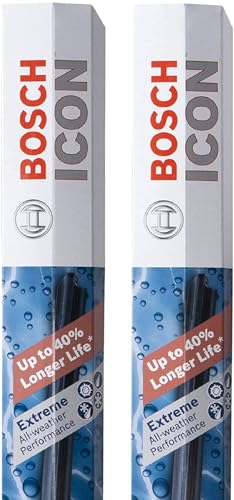
The short answer: winter wiper blades clear ice and packed snow far better thanks to a rubber boot that shields the frame from freezing, while all-season blades stay quiet, light, and reliable across mild conditions most of the year. If you face hard freezes, salt, and heavy snow, winter blades win in the cold months. If your winters are gentle, all-season blades may serve you fine year round.
Choosing the right seasonal blades comes down to your local weather, how often it drops below freezing, and how much streaking you can tolerate. This guide breaks down the strengths of each, the common mistakes, and a clear pick by climate so you can see the road in every season.
Winter blades: pros and cons
Winter wiper blades are built for punishing cold. The defining feature is a flexible rubber boot that wraps the entire frame, sealing out slush, road salt, and moisture that would otherwise freeze inside a standard hinged blade. When a traditional blade ices up, its joints lock and the rubber edge can no longer hug the curve of the glass, leaving smears and missed patches. A winter blade keeps the structure pliable, so it keeps conforming to the windshield even at low temperatures.
The tradeoffs are weight and shape. That protective boot makes winter blades heavier and bulkier, which can place more load on the wiper motor over time. They are also less aerodynamic, so at highway speed in warm weather they may lift slightly or hum. The rubber compound is tuned for cold flexibility, meaning it can wear faster under summer heat and strong sun. For these reasons, winter blades shine in deep cold but are not the ideal year-round choice in hot regions.
All-season blades: pros and cons
All-season blades aim to do a solid job in most conditions without specializing in any single one. Many use a beam design with no exposed metal joints, which gives even pressure across the glass and a sleek, low profile that resists wind lift. They tend to be quiet, light on the wiper motor, and easy to find, making them the default fit for a large share of drivers who never see extreme winters.
The limitation is ice protection. Without a full rubber boot, an all-season blade is more exposed to freezing slush packing into its frame during a hard freeze. In a heavy snowstorm or an ice event, the blade can stiffen, chatter, or streak as the structure loses flexibility. For mild, rainy, or lightly frosty climates, all-season blades cover the year well. In regions with sustained sub-freezing spells and salted roads, they can fall short exactly when clear vision matters most.
Which to run, and blades to consider
Match the blade to the worst weather you regularly drive in, not the average day. If you get weeks of snow, ice scraping, and salted highways, run dedicated winter blades through the cold season, then swap to all-season units when spring arrives. If your area sees only occasional frost, a quality all-season beam blade can stay on all year. Drivers in harsh climates often keep both sets and rotate them twice a year.
When shopping, look for full-boot coverage on winter blades and a one-piece beam structure on all-season blades, plus a snug fit for your exact wiper arm. You can compare trusted options for both categories in our roundup of the best windshield wipers, which covers fit, durability, and quiet performance so you can pick a set that suits your weather.
Mistakes to avoid
- Running summer or worn all-season blades into a hard freeze and expecting clean ice clearing.
- Leaving heavy winter blades on through hot months, since the soft rubber wears quickly under sun while the bulky frame strains the motor.
- Forgetting to lift the blades off the glass before a freeze, so they stick and tear when you switch on the wipers.
- Using the wipers to chip thick ice instead of clearing it first with a scraper and defrost.
- Buying the wrong arm size or connector, which leaves gaps and streaks no matter the blade quality.
- Ignoring torn or hardened rubber; even the best design streaks once the edge is damaged.
Bottom line by climate
In cold, snowy climates with frequent freezes and salted roads, winter blades are the clear pick for the season because the rubber boot keeps them flexible when it counts. Plan to swap back to all-season blades once temperatures climb so you do not burn through the soft winter rubber in summer sun.
In mild or rainy climates that rarely drop below freezing, all-season beam blades are usually all you need year round, offering quiet, streak-free wiping with little upkeep. In mixed regions with real but short winters, the smart move is to keep both sets. Whatever your area, replace the rubber the moment it streaks, and your visibility stays sharp.
Frequently Asked Questions
Can I leave winter wiper blades on all year?
You can, but it is not ideal. The soft cold-weather rubber wears faster in summer heat, and the heavy boot adds load to the wiper motor while reducing aerodynamics at speed. For best life and performance, swap to all-season blades once the cold passes.
Are all-season blades good enough for snow?
For light frost and occasional snow, quality all-season beam blades usually cope fine. In sustained hard freezes with packed ice and road salt, they can stiffen and streak because they lack the full rubber boot, so dedicated winter blades give you more reliable clearing.
How often should I replace wiper blades?
Most blades last roughly six months to a year, but climate and sun exposure matter. Replace them as soon as you notice streaking, skipping, chattering, or hardened, torn rubber, since a damaged edge fails to clear water no matter the design or season.
The Bottom Line
Winter and all-season wiper blades solve different problems. Winter blades trade weight and summer smoothness for unbeatable ice and snow clearing, while all-season blades offer quiet, light, year-round wiping that suits milder weather but gives up some cold-weather protection. The right call is the one that matches the harshest conditions you actually drive in, not the gentle days in between.
If you live with hard winters, run a winter set through the cold and switch back when it warms. If your climate stays mild, all-season blades likely cover you all year. Either way, choosing good blades for your climate and replacing them at the first sign of streaking keeps your view clear and your drive safe.
Related Guides
- Best Silicone Wiper Blades
- 7 Best Aftermarket Windshield Wipers (Researched and Compared)
- 7 Best Windshield Wipers for Honda Accord (Researched and Compared)
- 7 Best Windshield Wipers for Honda Civic (Researched and Compared)
- 7 Best All Season Windshield Wipers (Researched and Compared)
- 7 Best Wiper Blades (Researched and Compared)
