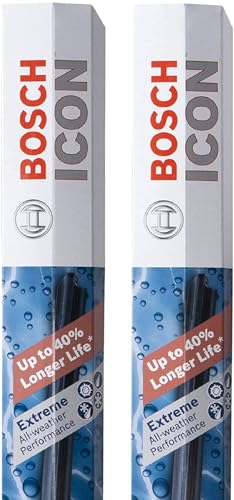
A streaky or chattering rear wiper makes reversing and parking harder than it needs to be, especially in rain or slush. The good news is that swapping a worn rear blade is one of the easiest jobs you can do at home, often in just a few minutes with no special skills. Many drivers replace it as a pair with the front wipers using a matching set of blades so the whole car clears properly in bad weather.
This guide walks you through what makes rear wipers a little different, how to remove the old blade safely, and how to fit a fresh one without scratching your glass. We also cover the tools you might want, the mistakes that trip people up, and what to do if the wiper arm itself is the real problem rather than the blade.
Why Rear Wipers Differ From Front Wipers
Rear wipers are usually smaller than the ones on your windscreen, often a good deal shorter because the back window is a different shape and size. That short length helps them sweep a tight arc without hanging off the edge of the glass. Because of this, a front blade will almost never fit a rear arm, even on the same car.
The biggest difference is the connector. Front blades commonly use a hook or push-button fitting, while rear blades often clip on with a small specific bracket, a pin, or a unique plastic latch that varies between brands and models. Some hatchbacks and estates even use a one-piece unit where the blade and arm come together. Knowing your exact fitting before you buy saves a frustrating trip back to the shop, so check your handbook or the old blade closely before ordering a replacement.
Step-by-Step: Replacing the Rear Blade
Work slowly and support the arm so it cannot snap back against the glass, which can crack it. Follow these steps in order:
- Lift the wiper arm away from the glass until it holds itself upright, or hold it gently if it does not stay.
- Release the old blade by pressing the clip, tab, or latch that secures it, then slide or unhook the blade from the arm. On one-piece designs, remove the full arm-and-blade unit instead.
- Fit the correct rear blade by lining up the connector and pushing until it clicks firmly into place. Give it a light tug to confirm it is locked on.
- Lower the arm back onto the glass softly, then test the wiper on a wet window to confirm a clean, quiet sweep with no skipping or smearing.
Tools and Products You May Need
This job rarely needs more than your hands, but a few items make it smoother and cleaner. Having the right replacement on hand before you start is the most important part, so confirm the size and fitting first.
- A correctly sized rear blade or full arm-and-blade unit that matches your car.
- A clean microfibre cloth to wipe dust and grit off the arm and glass.
- Glass cleaner to remove old residue so the new blade grips well.
- A small flathead tool to ease stubborn clips, used carefully to avoid scratches.
If you want a quality set that covers both ends of the car, comparing options for the best windshield wipers helps you pick blades that last and clear evenly across the seasons.
Mistakes to Avoid
Most rear wiper problems come from small errors that are easy to sidestep once you know them. Keep these in mind:
- Buying the wrong rear-specific size, since a front blade or a blade meant for another model will not seat correctly.
- Forcing the connector instead of finding the release tab, which can break the clip.
- Letting the bare arm snap down onto the glass, risking a crack or chip.
- Skipping the post-fit test, so you miss a loose blade until it streaks in the rain.
- Touching the new rubber edge with oily fingers, which can leave smears on the first few sweeps.
When the Rear Arm Itself Is Worn
Sometimes a fresh blade still chatters or lifts off the glass at speed. If that happens, the wiper arm may be the culprit. Over time the arm spring weakens, so it no longer presses the blade flat against the curved back window. You may also notice rust at the pivot, a bent arm from a car wash or ice scrape, or play in the joint where it should feel firm.
To check, press the blade gently against the glass and see if it springs back evenly along its length. If one side lifts or the spring feels soft, a new blade alone will not fix the streaking. Replacing the full arm is usually a simple bolt-off, bolt-on job, and on many cars the one-piece arm-and-blade unit is sold together. If you are unsure, a parts shop can match the unit to your model so the new blade sits with proper pressure.
Frequently Asked Questions
How often should I replace my rear wiper blade?
Most rear blades last around six to twelve months, though it depends on sun exposure, grit, and how often you use the wiper. Replace it as soon as you notice streaks, skipping, or a chattering noise, since worn rubber will only get worse and can scratch the glass.
Can I use a front wiper blade on the rear window?
No. Rear wipers are usually shorter and use a different connector, so a front blade will not fit or sweep correctly. Always match the rear-specific size and fitting listed for your exact car to get a clean wipe and a secure lock.
Do I need any tools to change a rear wiper?
Usually not. Most rear blades clip on and off by hand once you press the release tab. A microfibre cloth and a little glass cleaner help, and a small flathead tool can ease a stubborn clip, but the job rarely needs more than that.
The Bottom Line
Replacing a rear wiper blade is a quick, low-cost task that pays off every time you reverse on a rainy day. By checking your fitting first, removing the old blade gently, and fitting the right rear blade with a firm click, you restore a clear view in just a few minutes. Remember to test the sweep before you drive, and if the arm itself is tired, swap the whole unit so the new rubber sits with proper pressure. A little care here keeps your back window clean and your parking safer all year round.
Related Guides
- Best Quiet Wiper Blades
- 7 Best Wiper Blades for Jeep Wrangler (Researched and Compared)
- 7 Best All Weather Wiper Blades (Researched and Compared)
- 7 Best Window Wiper Blades (Researched and Compared)
- 7 Best Wiper Blade Refills (Researched and Compared)
- 7 Best Windshield Wiper Blades for the Money (Researched and Compared)
