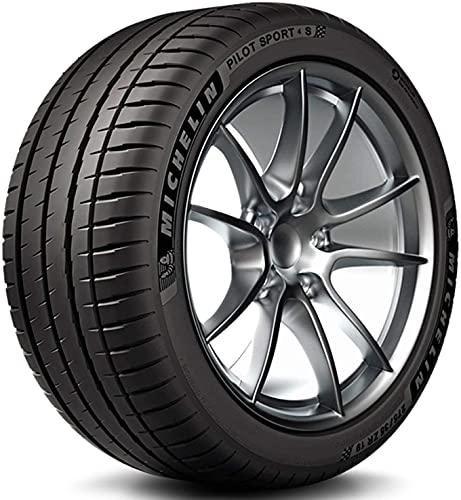
When winter arrives and roads turn to ice, your tire choice can be the difference between staying in control and sliding through an intersection. The debate between studded and studless snow tires has real stakes, and the right answer depends on where you live, how you drive, and what your state actually allows on public roads.
This guide breaks down how each type works, where each one excels, the legal landscape across the US, and what factors should drive your decision. No product pitches, just the information you need to choose wisely.
How Studded Snow Tires Work
Studded snow tires are built around a standard winter rubber compound, but they incorporate small metal pins, called studs, embedded into the tread blocks. These studs protrude a few millimeters below the tire surface and physically scratch into hard-packed snow and ice, creating mechanical grip that rubber alone cannot generate.
The studs are typically made from a tungsten carbide tip seated in a lightweight metal or plastic jacket. Tire manufacturers install them at the factory into pre-molded holes in the tread. The number of studs varies by tire size, but most passenger car tires carry between 80 and 120 studs per tire.
The key benefit is straightforward: on black ice and polished, compacted snow, metal grips where rubber cannot. That traction advantage is most pronounced when temperatures drop well below freezing and road surfaces become mirror-smooth.
How Studless Snow Tires Work
Studless winter tires rely entirely on advanced rubber chemistry and tread engineering rather than metal contact points. Modern studless tires use silica-enriched compounds that stay pliable at very low temperatures. Standard all-season rubber hardens when temperatures drop below about 45 degrees Fahrenheit, reducing its ability to conform to road surface irregularities. Studless winter rubber is formulated to remain flexible well below that threshold.
Tread design is equally important. Studless tires use aggressive siping patterns, which are thousands of thin cuts across the tread blocks, creating additional biting edges. Wide lateral grooves channel slush and water away from the contact patch to prevent hydroplaning. Interconnected tread blocks compress and release snow, using snow-on-snow friction to boost grip.
The result is a tire that performs impressively in most winter conditions without touching metal to pavement. On deep snow and wet slush, modern studless tires often match or beat studded options because the rubber compound and tread do more of the work across a wider range of temperatures.
Performance Comparison: Where Each Type Wins
Understanding the performance profile of each type helps match the tire to your actual driving environment.
- Hard ice at low temperatures: Studded tires hold a clear advantage here. When the mercury drops below 20 degrees Fahrenheit and road surfaces are glazed, the metal studs provide bite that no rubber compound can fully replicate. Braking distances on pure ice are measurably shorter with studded tires in these conditions.
- Packed snow: Both types perform well. Studless tires with aggressive siping patterns often generate excellent traction on compacted snow, and the difference narrows considerably compared to icy surfaces.
- Wet snow and slush: Studless tires typically perform better. Their tread channels move large volumes of slush efficiently, and the flexible compound grips the wet surface. Studs are less effective in this scenario because the water film prevents full metal-to-road contact.
- Dry pavement: Studless tires win clearly. Metal studs are designed to contact ice, and on dry asphalt they increase rolling noise, reduce fuel economy, and cause measurable pavement wear. Every mile driven on dry roads with studded tires degrades the studs and the road.
- Mixed conditions: If your winter includes frequent temperature swings between 15 and 40 degrees, with alternating ice, snow, and cleared pavement, a high-quality studless tire often delivers more consistent overall performance because it handles all those surfaces without the dry-road penalty.
State Laws on Studded Tires in the US
This is where many drivers get caught off guard. Studded tire regulations vary significantly from state to state, and using studded tires where prohibited can result in fines and liability issues if you are involved in an accident.
As of 2025, the general breakdown is as follows. Always verify with your state DOT before purchasing studded tires, as regulations change.
- Fully permitted (seasonal windows apply): Alaska, Colorado, Idaho, Iowa, Minnesota, Montana, Nebraska, Nevada, New Hampshire, North Dakota, Oregon, South Dakota, Utah, Vermont, Washington, Wisconsin, Wyoming. Most of these states allow studs roughly from October through April or May, though specific dates vary by county or elevation in some states.
- Permitted with restrictions: Several states allow studs only in designated mountain or high-elevation counties, or only during declared winter emergencies. California falls into this category, permitting studded tires in certain mountain counties during winter months but prohibiting them in most of the state.
- Prohibited: Illinois, Maryland, Michigan, Minnesota (note: Minnesota allows certain types), Texas, and others prohibit conventional metal-studded tires entirely due to pavement damage concerns. Some of these states allow specialized rubber-tipped studs or tire chains as alternatives.
- No relevant regulation: States in the South and Southeast generally have no studded tire laws because winter tire conditions are rare, but using studded tires year-round on warm, dry pavement would cause rapid stud wear and pavement damage.
The reason many states restrict studs is economic. Studies conducted by state DOTs and research bodies have documented significant pavement rutting in high-traffic areas, particularly on interstate highways and urban roads. The cost of repairing stud-damaged pavement has driven prohibition in several states. Oregon and Washington conducted notable studies quantifying annual pavement damage costs in the hundreds of millions of dollars before tightening their seasonal windows.
Which Type Is Right for Your Driving Situation
The honest answer depends on three factors: your local winter conditions, your state’s laws, and your typical driving mix. Here is a practical framework.
- Choose studded tires if: You live in a state where studs are legal, your winters regularly produce extended periods of hard ice at temperatures below 20 degrees Fahrenheit, you drive frequently on rural or mountain roads that are not plowed quickly, and your daily route includes minimal dry highway miles. The classic case is a driver in northern Alaska, Montana, or Idaho who faces genuine ice roads for months at a time.
- Choose studless tires if: You live in a state where studs are restricted or prohibited, your winters feature a mix of ice, snow, slush, and cleared pavement, you drive significant highway miles even in winter, or you want a tire that performs consistently across a wide temperature range. The Pacific Northwest, the Northeast corridor, and Great Lakes states with highly variable winters often favor studless tires for this reason.
- Consider tire chains as an alternative: In states where studs are prohibited but severe ice is occasional rather than constant, tire chains or cable chains installed when conditions demand provide strong ice traction without the year-round penalties of studded tires. Chains are legal in most states for emergency use and are required or recommended on some mountain passes.
If you are unsure, talk to drivers who live in your specific area. Local knowledge of how your roads are treated, how quickly they are plowed and sanded, and how long ice conditions actually persist is often more valuable than general performance data.
Key Buying Considerations Beyond the Stud Question
Whichever type you choose, several factors determine how well a winter tire actually performs.
- The mountain snowflake symbol: Look for tires bearing the Three-Peak Mountain Snowflake (3PMSF) symbol. This symbol indicates the tire has passed industry testing for severe snow traction and meets standards set by the Rubber Manufacturers Association and the Tire and Rim Association. All-season tires marked only with M+S (mud and snow) do not meet this performance threshold and should not be treated as true winter tires.
- Correct sizing: Winter tires should match or be one size narrower than your standard tires. A narrower tire puts more weight per square inch on the contact patch, which can improve traction on snow. Check your owner’s manual for the acceptable tire size range for your vehicle.
- Dedicated wheel set: If you drive in winter conditions every year, mounting winter tires on a dedicated set of steel or inexpensive alloy wheels saves money over time by eliminating repeated mounting and balancing fees. It also reduces wear on your summer or all-season rims.
- Install all four: Installing winter tires only on the drive wheels is dangerous. A rear-wheel-drive car with winter tires only on the back will oversteer on ice. A front-wheel-drive car with winters only on the front will understeer when braking. All four tires must have matched grip characteristics. This is universally recommended by tire manufacturers and safety organizations.
- Tread depth: Winter tires should be replaced when tread depth reaches 5/32 of an inch, which is earlier than the legal limit of 2/32 for standard tires. Below 5/32, snow traction degrades significantly. Use a tread depth gauge or the quarter test (insert a quarter into the tread with Washington’s head pointing down, if you can see the top of his head, the tread is too shallow for winter use).
Studs and Environmental Considerations
Beyond pavement damage, there are environmental factors worth understanding. Metal studs wear down over time and deposit tungsten carbide and metal particles onto road surfaces. These particles wash into stormwater systems and waterways. Environmental agencies in some Scandinavian countries, where studded tires have been common for decades, have documented measurable concentrations of tire and stud-related particulates in urban runoff.
This is one reason why some states and municipalities have moved toward traction sand, liquid de-icers, and encouraging studless tire adoption rather than permitting widespread studded tire use. If environmental impact matters to your decision, studless tires have a smaller footprint in this regard.
Noise is also a practical consideration. Studded tires produce a distinctive clicking sound on dry or wet pavement that grows louder as speed increases. At highway speeds, this noise is constant and noticeably louder than studless tires. Drivers who commute on cleared highways for significant portions of their winter driving often find this a meaningful quality-of-life factor over an entire winter season.
Frequently Asked Questions
Are studded snow tires legal in all US states?
No. Studded tire laws vary widely by state. Some states such as Alaska, Montana, and Idaho permit them with seasonal date restrictions. Others, including Illinois and Texas, prohibit conventional metal-studded tires entirely due to pavement damage concerns. Several states allow them only in specific mountain or high-elevation counties. Always check with your state’s Department of Transportation before purchasing studded tires, since using prohibited studs can result in fines and potentially affect your liability in an accident.
Do studless snow tires really work as well as studded on ice?
On hard, glazed ice at very low temperatures, studded tires generally have a measurable advantage in braking distance and acceleration grip. However, modern studless tires using silica compounds and aggressive siping perform remarkably well across a broad range of winter conditions, including packed snow, wet slush, and ice closer to the freezing point. For most US drivers who face mixed winter conditions rather than sustained sub-zero ice roads, the performance gap is smaller than many expect, and studless tires avoid the dry-pavement penalties that studded tires carry.
Can I use studded tires year round?
You should not. Using studded tires on warm, dry pavement causes rapid stud loss as the tread wears, reduces fuel economy, generates significant road noise, and damages road surfaces. Most states that allow studded tires restrict them to specific winter months for exactly these reasons. Beyond the legal issue, driving on studded tires in summer conditions is simply counterproductive. Store your winter tires properly (indoors, away from sunlight and ozone sources such as electric motors) during the off-season to preserve the rubber compound.
What is the Three-Peak Mountain Snowflake symbol and why does it matter?
The Three-Peak Mountain Snowflake (3PMSF) symbol is a certification mark stamped on the sidewall of tires that have passed standardized severe snow traction tests developed by the Rubber Manufacturers Association and the Tire and Rim Association. A tire bearing this symbol has demonstrated at least a 10 percent improvement in snow traction compared to a reference all-season tire. Tires marked only with M+S (mud plus snow) have not passed this test. When shopping for winter tires, whether studded or studless, look for the 3PMSF symbol to confirm the tire meets genuine winter performance standards.
Do I need to put snow tires on all four wheels?
Yes, always install winter tires on all four wheels. Installing them only on drive wheels creates a dangerous grip mismatch between the front and rear axles. On a front-wheel-drive vehicle, rear tires with less grip will cause the back of the car to slide outward during braking or cornering. On a rear-wheel-drive vehicle, winter tires only on the rear can cause oversteer on slippery surfaces. All tire manufacturers and safety organizations, including advice aligned with NHTSA recommendations on vehicle stability, advise matched winter tires on all four corners for safe, predictable handling.
The Bottom Line
Studded tires offer a real traction advantage on hard ice at very low temperatures, but they come with legal restrictions in many states, noise and efficiency penalties on cleared pavement, and environmental trade-offs. Studless winter tires have advanced dramatically and handle the full range of winter conditions most US drivers encounter with fewer compromises. Check your state’s current DOT regulations, honestly assess how much of your winter driving involves sustained ice versus mixed conditions, and install whichever type you choose on all four wheels before the first freeze.
Related Guides
- 7 Best Mid Range Tires (Researched and Compared)
- 7 Best 235 45r18 Tires in 2026 (Researched and Compared)
- 7 Best All-Terrain Jeep Tires for 2026 (Trail and Daily Tested)
- 7 Best Boat Trailer Tires 205/75R14 in 2026 (Marine Tested for Salt and Speed)
- 7 Best 275/55R20 All-Season Tires for Trucks and SUVs in 2026 (Tested for Grip and Tread Life)
- 7 Best 12 Ply Tires for Towing in 2026 (Researched and Compared)
