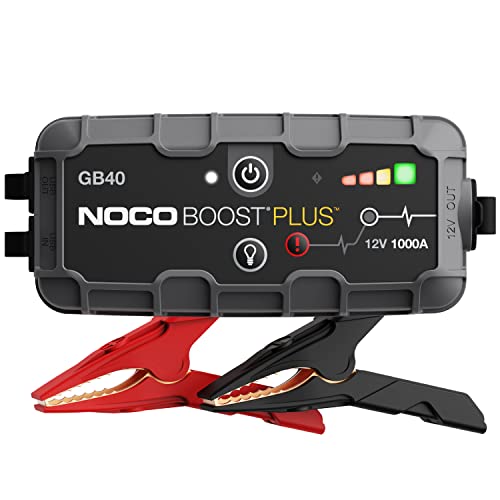
A portable jump starter is one of the most useful tools you can keep in your vehicle, but it works with serious electrical energy and sits right next to a battery that can release flammable gas. Used correctly, it is safe and almost effortless. Used carelessly, it can cause sparks, burns, damaged electronics, or a battery that vents acid. This guide walks through the safe way to connect, use, store, and charge a jump starter, plus the things you should never do. Read it once before you ever need it, because the moment you are stranded is the worst time to learn the rules.
Connect in the Right Order Every Time
The single most important habit is connecting the clamps in the correct sequence. Start with the dead vehicle and the jump starter both switched off. Attach the red positive clamp to the positive terminal of the dead battery first. Then attach the black negative clamp to a clean, unpainted metal ground point on the engine block or chassis, not to the negative terminal of the battery. Grounding away from the battery keeps any small spark away from the hydrogen gas a battery can give off.
Keep the two clamps from ever touching each other or any metal while the unit is powered, since that creates a direct short. Make sure the cables are routed clear of belts, fans, and other moving parts before you turn anything on. Only after both clamps are firmly seated should you power up the jump starter and attempt to start the engine.
Watch for the Reverse-Polarity Alarm
Almost every modern jump starter has built-in protection that detects when the clamps are reversed. If you hook the red clamp to a negative point or the black clamp to a positive point, the unit will usually beep loudly, flash a warning light, or refuse to send power. Treat that alarm as a hard stop. Do not try to force the unit on or override the warning.
When you hear or see the reverse-polarity alert, switch the jump starter off, disconnect both clamps, and check the terminals. Positive is normally marked with a plus sign and often a red cover, while negative carries a minus sign. Re-clamp correctly and the alarm should clear. This feature exists to protect your vehicle electronics and the jump starter itself, so never ignore it.
Protect Yourself and Work in Fresh Air
A lead-acid battery can release hydrogen gas, which is highly flammable, so always work in a well-ventilated area rather than a closed garage. Keep any source of ignition far away. That means no sparks, no open flames, no lit cigarettes, and no smoking anywhere near the engine bay while you work.
Wear eye protection whenever you handle battery connections, because a battery that vents or arcs can spray acid or hot material. Remove loose jewelry and watches, tie back long hair, and avoid leaning directly over the battery as you make the final connection. If the battery looks swollen, cracked, frozen, or is leaking fluid, do not attempt to jump it at all. Take a few seconds to set up safely and the whole job becomes routine.
Disconnect in Reverse Order
Once the engine starts, do not just yank the clamps off. Let the engine run for a moment, then power down the jump starter before touching anything. Disconnecting in reverse order is the safe way to finish the job and mirror how you connected.
Remove the black negative clamp from the ground point first, then remove the red positive clamp from the battery terminal. Keep the clamps apart from each other and from any metal as you pull them clear. Coil the cables neatly and place the clamps back in their holders or storage slots so they cannot touch and short against each other in the bag. A clean disconnect protects the unit and gets it ready for next time.
Store and Charge It Safely
A jump starter is only useful if it is charged and healthy when you need it. Store the unit in a cool, dry place out of direct sunlight, and avoid leaving it in a vehicle through extreme summer heat or deep winter cold, since temperature extremes shorten lithium battery life and can be unsafe. Keep the clamps clipped into their holders so they never rest against each other during storage.
Recharge the unit every few months even if you have not used it, because these batteries slowly self-discharge and a flat unit will not start anything. Use only the charger or cable supplied by the manufacturer, charge on a hard non-flammable surface, and do not leave it charging unattended overnight if the instructions advise against it. Inspect the cables, clamps, and case regularly for cracks, frayed wire, or corrosion, and retire any unit that is physically damaged or that swells.
Frequently Asked Questions
Why should the black clamp go to a ground point instead of the battery negative?
Clamping the negative cable to bare metal on the engine or chassis, away from the battery, keeps any small connection spark distant from the hydrogen gas a battery can release. That greatly reduces the risk of igniting those fumes. It also gives you a solid, clean ground that completes the circuit reliably.
What should I do if the jump starter alarm beeps when I connect it?
A continuous beep or warning light almost always means reverse polarity, meaning the clamps are on the wrong terminals, or that a clamp is making poor contact. Switch the unit off, remove both clamps, and confirm red goes to positive and black goes to a ground point. Re-clamp firmly and the alarm should clear before you try to start the engine.
How often should I charge a jump starter that I am not using?
Recharge it roughly every three months, and always top it up after each use. Lithium jump starters lose charge slowly while sitting, so a unit left for a year may be too flat to crank an engine. A quick recharge schedule keeps it ready for an emergency and helps preserve battery health.
The Bottom Line
Jump starters are simple to use once you respect a few rules: connect red to positive and black to a ground point, keep the clamps apart, work in fresh air with eye protection, heed the reverse-polarity alarm, and disconnect in reverse order. Add safe storage and regular charging and your unit will be ready the day you actually need it. If you are shopping for a reliable model with strong safety features, see our guide to the best jump starters to find one that fits your vehicle and gives you peace of mind.
Related Guides
- Why Your Jump Starter Wont Charge or Hold a Charge
- 7 Best Jump Starter Power Packs (Researched and Compared)
- 7 Best Automotive Jump Starters (Researched and Compared)
- 7 Best Heavy Truck Jump Starters 12 24V (Researched and Compared)
- Schumacher Jump Starter Review: Best Models Compared
- 7 Best Jump Starters for Cars (Researched and Compared)
