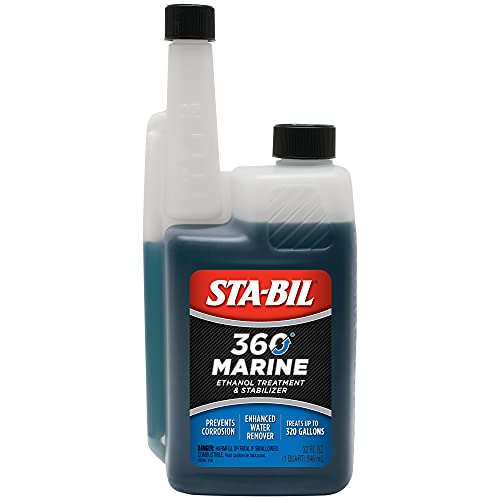
Premium gas and a fuel additive solve two different problems. Premium gasoline mainly raises octane and carries a modest dose of top-tier detergents, so it helps engines built for higher octane and offers light, ongoing upkeep. A targeted a fuel additive does the heavy cleaning, dosing a concentrated formula straight into the tank to clear deposits or stabilize fuel when you actually need it.
If your goal is cleaner injectors and intake parts rather than meeting a high-octane requirement, an additive does focused work that premium gasoline cannot. This guide breaks down what each one really does and the common errors drivers make when they assume one can replace the other.
What premium gas does
Premium gasoline is defined mostly by its octane rating, which measures how well the fuel resists knock under pressure and heat. Engines with high compression or forced induction are tuned to use that higher octane, and feeding them the right grade lets them run as the maker intended without pre-ignition.
Many premium blends also meet top-tier standards, which means they include a baseline of cleaning detergents above the minimum required by regulators. That detergent package helps slow the buildup of deposits over thousands of miles, so it works as gentle, continuous maintenance. The key word is gentle: premium gas keeps things from getting worse, but it is not formulated to scrub away crusted deposits that have already formed. For an engine that does not call for higher octane, premium delivers little beyond that light detergent action.
What a fuel additive does
A fuel additive is a concentrated treatment you pour into the tank to do a specific job on demand. Injector and intake cleaners pack a much stronger detergent load than any pump gasoline carries, so they can dissolve and carry away deposits that build up on injector tips, intake valves, and combustion surfaces. That concentrated burst is the difference between routine upkeep and an actual cleaning pass.
Other additives focus on different tasks. Fuel stabilizers protect gasoline from breaking down in vehicles that sit for weeks or months, which matters for seasonal cars, mowers, and stored equipment. Water removers and anti-gel products handle moisture and cold-weather flow issues. Because you add these only when needed, you control the timing and the dose, so an additive can correct a problem that a tank of premium simply cannot reach.
Which to choose, and products to consider
Start with what your engine requires. If the owner manual specifies premium, use premium every fill, because that octane requirement is about safe combustion, not cleaning. If the manual says regular is fine, paying for premium rarely changes performance or longevity, and the extra spend buys you little.
For cleaning, restored smoothness, or fixing a rough idle and hesitation, reach for a dedicated additive instead. A periodic treatment with a strong injector cleaner addresses deposits directly, and many drivers run one every few thousand miles as cheap insurance. When you compare options, our roundup of the best fuel injector cleaners walks through formulas suited to different engines and symptoms. The simplest plan for most cars is regular fuel plus an occasional quality additive, reserving premium for engines that genuinely demand the higher octane.
Mistakes to avoid
- Assuming premium gas cleans like a dedicated additive. Its detergent dose is light and meant for slow upkeep, not scrubbing existing deposits.
- Pouring premium into an engine designed for regular and expecting more power. Without a high-octane requirement, you usually gain nothing measurable.
- Overdosing an additive, thinking more is better. Follow the label ratio, since too much concentrate can be counterproductive.
- Using a cleaner so often it becomes a crutch. Treatments are periodic maintenance, not a substitute for fixing a real mechanical fault.
- Ignoring fuel stabilizer before long storage, then blaming the engine when stale gas causes hard starts.
- Buying a generic bottle without checking whether it targets injectors, the whole fuel system, or just water and gelling.
Bottom line
Premium gas and a fuel additive are not competitors so much as tools for different jobs. Premium exists to satisfy an octane requirement and to provide a thin layer of ongoing detergent protection, valuable only when your engine actually needs that grade. A fuel additive exists to deliver concentrated cleaning or stabilizing power on demand, reaching deposits that no pump fuel is built to handle.
For the average driver, the smart approach is to match your fuel grade to the manual and lean on a quality additive when you want a real cleaning pass. That combination gives you correct combustion and targeted upkeep without paying for octane you do not need.
Frequently Asked Questions
Does premium gas clean my engine?
Only lightly. Top-tier premium includes a baseline of detergents that slows new deposit buildup, but that dose is far too mild to remove established deposits. For real cleaning you need a concentrated additive.
Can a fuel additive replace premium gas?
No. An additive cannot raise octane enough to satisfy an engine that requires premium. If your manual calls for premium, keep using it, and treat the additive as a separate cleaning or stabilizing step.
How often should I use a fuel additive?
A common rhythm is a quality injector cleaner every few thousand miles, or as the label suggests. For stored vehicles, add a stabilizer before the fuel sits, rather than waiting until starting trouble appears.
The Bottom Line
Choosing between premium gas and a fuel additive comes down to the problem you are solving. Use premium when your engine demands the octane, and lean on the right additive when you want concentrated cleaning or fuel stabilization. Match the fuel to your manual and treat the system when symptoms appear, and you get proper combustion plus a genuinely cleaner fuel system without overspending.
Related Guides
- 7 Best Fuel Additives for Gas Engines (Researched and Compared)
- 7 Best Fuel Treatment Cleaners (Researched and Compared)
- 7 Best 200 Gallon Fuel Tanks With Pump in 2026 (Researched and Compared)
- 7 Best Fuel Tank Transfer Pumps (Researched and Compared)
- Does Fuel System Cleaner Improve Gas Mileage?
- 7 Best Fuel Additives for Harley Davidson in 2026 (Researched and Compared)
Last reviewed: June 18, 2026.
