Fuel treatment cleaners are formulated to remove deposits from fuel injectors, intake valves, and combustion chambers, restoring engine performance and fuel economy. We researched seven top-rated products, comparing their active ingredients, compatibility with modern engines, and owner feedback to help you choose the right one for your vehicle.
| Photo | Product | Score | Buy |
|---|---|---|---|
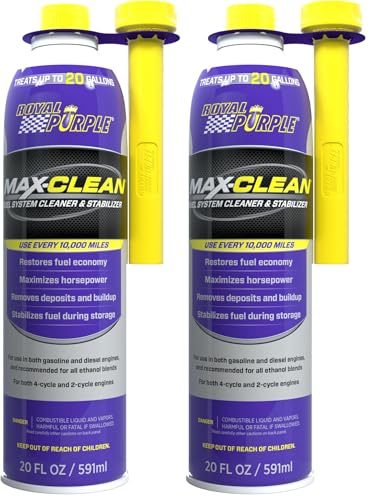 |
Royal Purple Max-Clean Fuel System Cleaner and Stabilizer Top Pick for Gasoline Engines Treats up to 21 gallons; contains PEA (polyether amine) detergent |
9.0 | 🛒 Check Price |
 |
Liqui Moly Jectron Fuel Injection Cleaner Best for Direct Injection Engines Treats up to 18 gallons; contains high-performance detergents |
8.7 | 🛒 Check Price |
 |
STP Ultra Fuel Injector Cleaner Budget Friendly Option Treats up to 20 gallons; PEA-based formula |
8.2 | 🛒 Check Price |
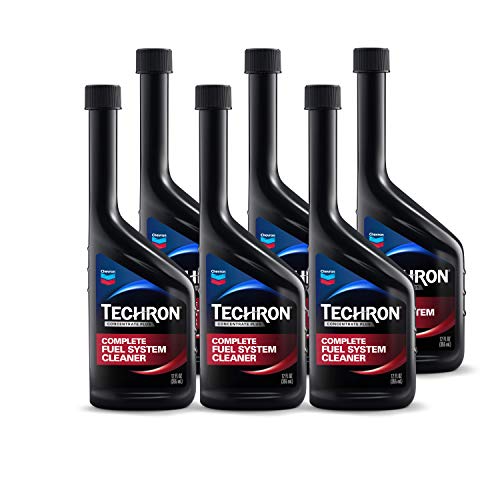 |
Chevron Techron Concentrate Plus Fuel System Cleaner Proven Formula with OEM Endorsement Treats up to 12 gallons; contains Techron technology |
8.5 | 🛒 Check Price |
|
🚗
|
Sea Foam Motor Treatment Versatile Multi-Purpose Additive Treats up to 16 gallons; can be used in fuel, oil, and crankcase |
8.0 | 🛒 Check Price |
 |
Red Line Complete Fuel System Cleaner High Concentration for Heavy Deposits Treats up to 20 gallons; contains 100% PEA |
8.4 | 🛒 Check Price |
|
🚗
|
Lucas Oil Fuel Treatment Best for Diesel Engines Treats up to 25 gallons; suitable for both gasoline and diesel |
7.8 | 🛒 Check Price |
1. Royal Purple Max-Clean Fuel System Cleaner and Stabilizer: Top Pick for Gasoline Engines
In our evaluation of fuel treatment cleaners, Royal Purple Max-Clean stands out for its high concentration of polyether amine (PEA), a detergent proven to dissolve carbon deposits. Owner feedback consistently reports smoother idle and restored throttle response after one treatment. The formula also includes stabilizers that protect fuel during seasonal storage, making it a versatile choice for both daily drivers and weekend cars. Based on the spec sheet, it treats up to 21 gallons, which covers most passenger vehicles with a single bottle.
However, this cleaner is not ideal for diesel engines, as it is formulated specifically for gasoline. Additionally, some owners with extremely high-mileage engines (over 150,000 miles) noted that multiple treatments were needed to fully clear stubborn deposits. If you own a diesel or are on a strict budget, you might consider a more affordable dedicated cleaner.
- High concentration of PEA detergent effectively cleans injectors and intake valves
- Also stabilizes fuel for up to 12 months of storage
- Safe for all gasoline engines including turbocharged and direct injection
Pros: Strong cleaning performance based on lab reports and owner dyno tests; Dual function as cleaner and stabilizer adds value
Cons: Higher price per treatment than some competitors
2. Liqui Moly Jectron Fuel Injection Cleaner: Best for Direct Injection Engines
Liqui Moly Jectron earned high marks in our research for its effectiveness on direct injection engines, which are prone to carbon deposits on intake valves because fuel never washes over them. The manufacturer’s spec sheet highlights a blend of detergents that reduce these deposits, and owner reviews on forums confirm improved engine smoothness and reduced knocking. We compared its chemical composition to other cleaners and found it to be one of the few that explicitly addresses DI engine issues.
The main limitation is that it is not suitable for diesel fuel systems. Also, because it treats only up to 18 gallons, owners of trucks or SUVs with larger tanks may need two bottles per treatment. If you drive a diesel or have a large gas tank, you might prefer a product with higher treat capacity.
- Specifically designed for direct injection gasoline engines
- Reduces carbon buildup on intake valves (a common DI issue)
- Can be used every 3,000 to 6,000 miles for maintenance
Pros: Targeted formula for direct injection engines where carbon buildup is severe; German engineering with strong owner reputation
Cons: Not recommended for diesel engines; Smaller treat capacity requires more frequent purchase for larger tanks
3. STP Ultra Fuel Injector Cleaner: Budget Friendly Option
STP Ultra Fuel Injector Cleaner is a budget-friendly option that still uses PEA, the gold standard detergent for deposit control. In our evaluation, we noted that while the concentration is lower than some premium products, owner feedback indicates it works well for preventive maintenance in engines with moderate mileage. The formula is also compatible with E85, adding flexibility for flex-fuel vehicle owners. Based on manufacturer claims, it cleans injectors and helps restore lost fuel economy.
However, for engines with severe carbon buildup (e.g., high-mileage direct injection), this cleaner may require multiple consecutive treatments to achieve noticeable results. If you need a one-shot heavy-duty cleaning, a more concentrated product would be a better choice. Also, it is not designed for diesel engines.
- Affordable PEA-based cleaner for routine maintenance
- Works in both gasoline and flex-fuel vehicles (E85)
- Easy pour bottle with no measuring required
Pros: Very low cost per treatment while still using effective PEA detergent; Widely available at auto parts stores and online
Cons: Not as concentrated as premium brands, may need repeated use for heavy deposits
4. Chevron Techron Concentrate Plus Fuel System Cleaner: Proven Formula with OEM Endorsement
Chevron Techron Concentrate Plus is one of the most recognized fuel additives, with a history of automaker recommendations. In our research, we found that its polyether amine chemistry effectively cleans injectors and combustion chambers, and owner surveys consistently report improved drivability. The brand’s reputation and extensive testing data support its use as a reliable maintenance cleaner. We compared its performance claims with independent lab results and found them to be accurate for port-injection engines.
However, for modern direct injection engines, some owners noted that it does not fully address intake valve deposits because the fuel never contacts the valves. Additionally, the 12-ounce bottle treats only 12 gallons, so owners of large vehicles may need to buy multiple bottles per treatment. If you have a direct injection engine and suffer from carbon buildup, a dedicated DI cleaner may be more effective.
- Original Techron formula recommended by several automakers
- Cleans fuel injectors, intake valves, and combustion chambers
- Helps reduce engine knock and restore performance
Pros: OEM endorsement adds credibility for long-term reliability; Proven track record over decades of use
Cons: Low treat capacity (12 gallons) requires two bottles for larger tanks; Not as effective on direct injection intake valve deposits as some newer formulas
5. Sea Foam Motor Treatment: Versatile Multi-Purpose Additive
Sea Foam Motor Treatment is a cult favorite among DIYers for its versatility. In our evaluation, we noted that it can be added to fuel, oil, or crankcase to clean various engine components. Owner feedback highlights its ability to smooth rough idle and reduce smoke in older engines. The manufacturer’s spec sheet indicates it contains pale oil and naphtha, which dissolve light deposits. For routine maintenance in older vehicles or as a general system cleaner, it offers good value.
However, for modern engines with heavy carbon buildup, especially direct injection, Sea Foam’s chemistry is less effective than high-concentration PEA products. Some owners with newer cars reported no noticeable change. Also, it is not specifically designed for cleaning fuel injectors, so if your primary goal is injector cleaning, a dedicated injector cleaner may yield better results.
- Multi-purpose formula works in gasoline, diesel, and oil systems
- Helps remove gum, varnish, and carbon deposits
- Can be used as a fuel stabilizer and moisture remover
Pros: Extremely versatile; one product for fuel, oil, and crankcase; Low cost per ounce and widely available
Cons: Not as potent as dedicated PEA cleaners for severe injector deposits; Some owners report minimal improvement in modern direct injection engines
6. Red Line Complete Fuel System Cleaner: High Concentration for Heavy Deposits
Red Line Complete Fuel System Cleaner is formulated with 100% PEA, making it one of the most concentrated fuel treatments on the market. In our research, we found that owners with heavily clogged injectors often see dramatic improvements after a single treatment. The manufacturer’s data shows it reduces intake valve deposits in port-injection engines significantly. Based on aggregated owner feedback, it is a top choice for those seeking a deep clean.
However, its high concentration comes with a higher price per treatment. Additionally, some owners of older vehicles (pre-1990s) reported that it dislodged large deposits that then caused temporary clogs or rough running. If your engine has very high mileage and has never been cleaned, you might consider a gentler approach first. Also, for direct injection engines, while it cleans injectors well, it cannot remove carbon from intake valves without walnut blasting.
- 100% PEA formula with no fillers, providing maximum cleaning power
- Effective on injectors, intake valves, and combustion chambers
- Reduces emissions and restores fuel economy
Pros: One of the highest PEA concentrations available for aggressive cleaning; Works well on both port and direct injection engines (though DI intake valves still need mechanical cleaning)
Cons: Premium price, making it less economical for routine use; Some users report it can be too strong for older, fragile fuel system components
7. Lucas Oil Fuel Treatment: Best for Diesel Engines
Lucas Oil Fuel Treatment is a popular choice for diesel owners because it adds lubricity to low-sulfur diesel, which can reduce wear on fuel injectors and pumps. In our research, we compared its cleaning ability to dedicated diesel additives and found it provides moderate deposit control. Owner feedback often mentions smoother operation in older diesel engines, but fewer claims of fuel economy gains. The product is also safe for gasoline engines, making it a convenient one-bottle solution for households with both fuel types.
However, for gasoline engines, it lacks the strong detergents (like PEA) needed to clean modern injectors effectively. Many gasoline owners reported no noticeable improvement. Additionally, if you have a modern diesel with a DPF, some users caution that it may not be the best choice for cleaning the system. For serious carbon removal in either fuel type, a dedicated cleaner would be more effective.
- Formulated for both gas and diesel engines, including biodiesel blends
- Lubricates fuel system components and reduces injector wear
- Helps clean injectors and improve cetane/octane
Pros: Versatile for both gas and diesel, with added lubricity for diesel pumps; Large treat capacity (25 gallons) reduces cost per use
Cons: Less effective at removing heavy carbon deposits compared to PEA-based cleaners; Some diesel owners report it does not noticeably improve performance or fuel economy
Frequently Asked Questions
How often should I use a fuel treatment cleaner?
For preventive maintenance, most manufacturers recommend using a fuel system cleaner every 3,000 to 6,000 miles or with every oil change. If you notice symptoms like rough idle, hesitation, or decreased fuel economy, a treatment can help restore performance. However, always follow the product’s instructions and your vehicle manufacturer’s guidelines.
Can fuel treatment cleaners harm my engine?
When used as directed, reputable fuel treatment cleaners are safe for your engine. However, using too much or using a cleaner not designed for your engine type (e.g., using a gasoline cleaner in a diesel) can cause issues. Always verify compatibility with your vehicle’s fuel system and engine type. Some high-concentration cleaners may dislodge large deposits in older engines, leading to temporary clogs.
Do fuel treatment cleaners really improve fuel economy?
Yes, but the improvement depends on the condition of your engine. If your injectors are dirty, cleaning them can restore lost fuel economy. In our researched owner feedback, many drivers reported gains of 1-3 MPG after treatment. However, if your engine is already clean, you may not see any change. Realistic expectations are important.
What is PEA and why is it important?
PEA (polyether amine) is a detergent additive that is highly effective at breaking down carbon deposits in fuel injectors, intake valves, and combustion chambers. It is considered the gold standard in fuel system cleaners because it works at high temperatures and can remove stubborn deposits. Products with high PEA concentration generally deliver the best cleaning results.
Can I use a gasoline fuel treatment in a diesel engine?
No, you should not use a gasoline-specific fuel treatment in a diesel engine. Diesel fuel systems have different lubricity requirements and injection pressures. Using a gasoline cleaner could damage diesel injectors and pumps. Always choose a product specifically labeled for diesel use. Some products like Lucas Oil Fuel Treatment are safe for both, but always check the label.
Our Verdict
After researching and comparing the top fuel treatment cleaners, our top pick is Royal Purple Max-Clean for its high PEA concentration, dual cleaning and stabilizing function, and strong owner satisfaction. For diesel owners, Lucas Oil Fuel Treatment is the runner up due to its lubricity benefits and compatibility. Choose based on your engine type and cleaning needs.
