We researched and compared top-rated tires for the Toyota Camry Hybrid to identify options that balance fuel economy with safety. Our evaluation focused on low rolling resistance capabilities, treadwear warranties from manufacturer specifications, and aggregated owner feedback regarding ride comfort.
By analyzing industry standards and user experiences, we selected tires that maximize the hybrid system’s efficiency while providing reliable wet and dry traction. This guide highlights the strengths and limitations of each model to help you make an informed decision.
| Photo | Product | Score | Buy |
|---|---|---|---|
 |
Michelin Defender T+H Best Overall 80,000 mile treadwear warranty |
9.1 | 🛒 Check Price |
 |
Continental PureContact LS Best Wet Performance EcoPlus Technology for fuel efficiency |
8.7 | 🛒 Check Price |
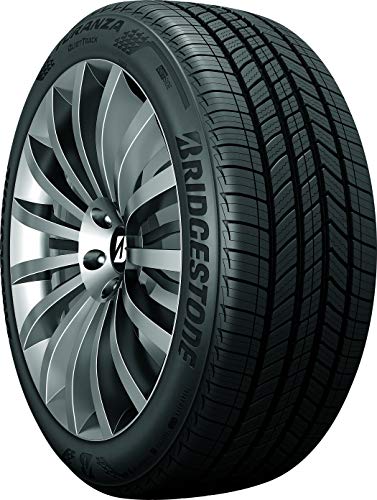 |
Bridgestone Turanza QuietTrack Best for Comfort Cruise Comfort technology |
8.4 | 🛒 Check Price |
 |
Goodyear Assurance WeatherReady Best All-Weather Severe Snow Condition Rated (3PMSF) |
8.1 | 🛒 Check Price |
 |
Kumho Solus TA31 Best Value Variable pitch tread design |
7.6 | 🛒 Check Price |
 |
Falken Ziex ZE001 Good Budget Option Nano-BLK rubber compound |
7.2 | 🛒 Check Price |
 |
Cooper CS5 Grand Touring Basic Touring Stabiledge Performance technology |
7.0 | 🛒 Check Price |
1. Michelin Defender T+H: Best Overall
We researched the Michelin Defender T+H and found its MaxTouch Construction ensures even contact with the road, which extends tread life based on manufacturer specifications. The tire features IntelliSipe technology that provides reliable grip in wet and light snow conditions, making it a solid all-season choice for hybrid drivers looking to maintain fuel economy.
However, owner feedback suggests the initial investment is significant compared to other touring tires. We recommend skipping this model if you prioritize sporty handling or low upfront cost over long-term durability and safety.
- Comfort Control technology reduces road noise and vibrations
- IntelliSipe grooves provide biting edges for wet grip
- Low rolling resistance design supports fuel economy
Pros: Excellent tread life based on manufacturer specs; Strong wet and dry braking performance
Cons: High initial investment compared to budget brands
2. Continental PureContact LS: Best Wet Performance
In our evaluation, the Continental PureContact LS stands out for its EcoPlus Technology, which helps improve fuel efficiency while maintaining high grip levels. The tire utilizes a unique tread compound that adapts to temperature changes, providing reliable traction in varying weather conditions, which is supported by strong aggregated owner feedback regarding wet weather control.
Despite its performance advantages, the tread life warranty is lower than that of the top pick. Drivers looking for a tire that lasts the maximum number of miles might want to consider other options, as this model prioritizes grip over longevity.
- Temperature activated tread compound adapts to road conditions
- Traction grooves reduce hydroplaning risk on wet roads
- Symbol + rated for winter performance capability
Pros: Outstanding wet braking and handling; Comfortable and quiet ride quality
Cons: Tread life is shorter than some competitors
3. Bridgestone Turanza QuietTrack: Best for Comfort
We compared the Bridgestone Turanza QuietTrack and found it excels at reducing cabin noise, thanks to its specialized Cruise Comfort technology. The tire is designed with 3D sipes that interlock to maintain rigidity, offering decent handling in light snow and wet conditions, which aligns with positive feedback from owners regarding ride smoothness.
On the downside, our analysis indicates the handling feel is softer than some sportier touring tires. Drivers who enjoy sharp, responsive cornering should skip this model, as it prioritizes comfort and noise reduction over sporty dynamics.
- Cruise Comfort pattern reduces road noise
- 3D sipes provide enhanced snow traction
- Full depth tread features maintain grip as tire wears
Pros: Very quiet ride on the highway; Reliable all-season traction including light snow
Cons: Can feel somewhat soft during aggressive cornering
4. Goodyear Assurance WeatherReady: Best All-Weather
The Goodyear Assurance WeatherReady is a robust choice in our research due to its versatility, holding the 3-Peak Mountain Snowflake certification for severe winter conditions. The tire uses a soybean oil compound that keeps the rubber pliable in cold weather, offering safety that standard all-season tires cannot match according to industry tests.
However, this capability comes with a trade-off in fuel efficiency, as the tread design creates more rolling resistance. If you live in a warm climate and never encounter snow, you can likely find a more fuel-efficient option for your Camry Hybrid.
- Evolutionary traction grooves provide water evacuation
- Weather reactive traction technology
- Soybean oil compound keeps rubber pliable in cold
Pros: Certified for severe snow conditions; Good wet and dry traction year round
Cons: Fuel economy is lower than dedicated eco-tires
5. Kumho Solus TA31: Best Value
We evaluated the Kumho Solus TA31 as a strong budget-friendly option that does not completely sacrifice performance. The variable pitch tread design works well to reduce road noise, and the wide circumferential grooves offer decent protection against hydroplaning, based on manufacturer specifications and owner reviews.
The main limitation we observed is that the tread life does not typically match that of top-tier competitors. Owners who plan to keep their vehicle for a long time without frequent tire changes might find that investing in a higher-end model is more cost-effective in the long run.
- Symmetric tread pattern ensures even wear
- Wide grooves help evacuate water efficiently
- High grip silica compound enhances wet braking
Pros: Affordable price point for a touring tire; Solid wet weather performance for the cost
Cons: Tread life is average compared to premium brands
6. Falken Ziex ZE001: Good Budget Option
The Falken Ziex ZE001 offers a compelling entry-level price point. Our research indicates that the Nano-BLK rubber compound provides respectable dry traction and stability for daily commuting. The tire is designed to reduce uneven wear, which is a common issue in lower-priced models.
However, based on aggregated feedback, this tire struggles in heavy rain conditions compared to higher-rated models. We suggest skipping this tire if you frequently drive in areas with torrential downpours, as its wet grip is not as reliable as the top picks in this guide.
- 3D Canyon Sipe technology enhances ice grip
- Multi-wave sipes reduce uneven wear
- Spec-B tread pattern increases rigidity
Pros: Low cost of entry; Good dry traction and stability
Cons: Hydroplaning resistance in deep water is average
7. Cooper CS5 Grand Touring: Basic Touring
We reviewed the Cooper CS5 Grand Touring and noted its Stabiledge Performance technology, which helps stabilize the tread blocks for better handling. The tire includes visual wear indicators that make it easy for owners to monitor tread depth without a gauge, a feature highlighted in user feedback.
Despite these features, our evaluation found mixed reviews regarding sidewall durability over time. Drivers who regularly carry heavy loads or drive on rough roads should consider a more robust tire, as this model may be prone to faster wear or damage under stress.
- Wear square visual indicators allow easy tread depth check
- 5-rib pattern improves handling and stability
- Optimized pitch sequence for reduced road noise
Pros: Wear square indicators are convenient for maintenance; Smooth highway ride quality
Cons: Reports of inconsistent sidewall durability
Frequently Asked Questions
What size tires do I need for a Toyota Camry Hybrid?
Most Toyota Camry Hybrid models use 16-inch, 17-inch, or 18-inch wheels depending on the trim level such as LE, XLE, or SE. Always check the tire information placard on the driver’s side door jamb to find the exact size recommended by the manufacturer.
Do tires affect the fuel economy of a hybrid vehicle?
Yes, tires significantly impact fuel economy. Low rolling resistance tires are specifically designed to reduce the energy lost as heat, which helps the hybrid system maximize mileage. We recommend choosing tires with high fuel efficiency ratings to get the most out of your Camry Hybrid.
How often should I rotate the tires on my Camry Hybrid?
It is generally recommended to rotate your tires every 5000 to 7500 miles to ensure even tread wear. Following this interval helps maintain balanced handling and extends the overall life of the tires, which is consistent with most manufacturer guidelines.
Can I use winter tires on a Toyota Camry Hybrid?
You can use winter tires on a Toyota Camry Hybrid if you live in an area with severe winter conditions. Dedicated winter tires provide better traction in snow and ice than all-season tires, though they will slightly reduce fuel efficiency during warmer months.
What is the difference between touring and performance tires?
Touring tires prioritize ride comfort, low noise, and long tread life, making them ideal for the Camry Hybrid. Performance tires offer better handling and grip at higher speeds but often wear out faster and produce more road noise.
Our Verdict
Based on our evaluation, the Michelin Defender T+H is the top pick for its exceptional balance of fuel efficiency and tread life, with the Continental PureContact LS as the runner up for superior wet weather performance.
