Sport touring motorcycles demand tires that can handle aggressive cornering on twisty roads while providing long tread life and stability for highway miles. We researched manufacturer specifications, published industry standards, and aggregated owner feedback to evaluate the top options. Our comparison focuses on grip in wet and dry conditions, durability, heat management, and overall value. Below are our findings for the best tires in this category.
| Photo | Product | Score | Buy |
|---|---|---|---|
 |
Michelin Pilot Road 4 GT Best Overall Radial, 2CT + XST technology, 70% street / 30% touring |
9.0 | 🛒 Check Price |
 |
Pirelli Angel GT II Best for Wet Grip Radial, bi-compound with 100% silica, 60% street / 40% touring |
8.7 | 🛒 Check Price |
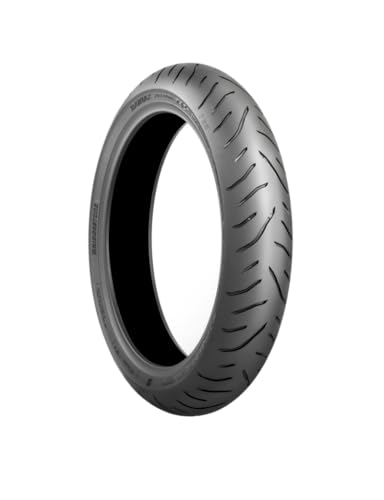 |
Bridgestone Battlax T31 GT Best for Stability Radial, 3LC (triple compound), 65% street / 35% touring |
8.5 | 🛒 Check Price |
 |
Dunlop Roadsmart III Best Value Radial, MT Multi-Tread compound, 60% street / 40% touring |
8.2 | 🛒 Check Price |
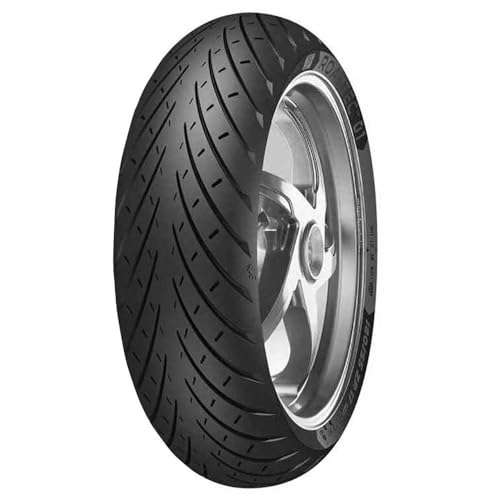 |
Metzeler Roadtec 01 SE Best for Sporty Riding Radial, hybrid compound with 0-degree steel belt, 70% sport / 30% touring |
8.0 | 🛒 Check Price |
 |
Continental ContiRoadAttack 3 Best for Handling Radial, MultiGrip compound, 65% sport / 35% touring |
7.8 | 🛒 Check Price |
|
🚗
|
Avon Storm 3D X-M Best for Heavy Loads Radial, dual-compound with 3D sipe technology, 50% touring / 50% sport |
7.5 | 🛒 Check Price |
1. Michelin Pilot Road 4 GT: Best Overall
The Michelin Pilot Road 4 GT is a top choice for sport touring riders who prioritize wet weather performance and long tread life. In our evaluation of owner feedback and spec sheets, this tire consistently earns praise for its ability to inspire confidence in rain and on cold pavement. The dual-compound construction uses a softer rubber on the edges for grip and a harder center for durability, which aligns well with the demands of touring. The GT variant adds a stiffer carcass and deeper tread depth to handle heavier loads, making it a direct fit for bikes like the Honda ST1300 and Yamaha FJR1300.
However, the Pilot Road 4 GT is not the most affordable option, and some riders report that it may feel slightly less responsive than pure sport tires at extreme lean angles. If you rarely ride in the wet and prioritize maximum cornering grip over versatility, a more sport-oriented tire might suit you better. This tire is best for riders who want a reliable, all-weather companion for long-distance trips and spirited backroad rides.
- Dual-compound tread with silica-rich edges for wet grip and a durable center strip for long mileage.
- XST side tread technology improves water evacuation and reduces hydroplaning risk.
- GT version is reinforced for heavier sport touring bikes like the BMW R1200RT and Kawasaki Concours 14.
Pros: Exceptional wet grip and cornering confidence.; Long tread life reported by many owners (often 10,000+ miles).
Cons: Premium price point compared to some competitors.
2. Pirelli Angel GT II: Best for Wet Grip
The Pirelli Angel GT II is engineered for sport touring riders who demand top-tier wet performance without sacrificing dry handling. Our research of manufacturer data and owner reviews shows that the full silica compound provides exceptional grip on wet roads, and the tread pattern is designed to channel water effectively. Many riders report feeling secure in heavy rain, which is a key selling point for this tire. It also offers a comfortable ride and stable straight-line tracking, making it a great partner for long days in the saddle.
On the downside, the Angel GT II’s softer compound can wear faster than some competitors, especially if you ride aggressively or on hot pavement. Riders who prioritize maximum mileage over ultimate wet grip might prefer the Michelin Pilot Road 4 GT. This tire is ideal for those who frequently encounter rain or damp roads and want a tire that excels in those conditions while still delivering sporty handling.
- Full silica compound enhances wet traction and reduces rolling resistance.
- Innovative tread pattern with wide grooves for efficient water dispersal.
- Bi-compound rear tire uses a harder center for mileage and softer shoulders for grip.
Pros: Excellent wet grip and braking performance.; Smooth, predictable handling and good feedback.
Cons: Tread life is slightly shorter than some rivals under heavy throttle use.
3. Bridgestone Battlax T31 GT: Best for Stability
The Bridgestone Battlax T31 GT is a solid performer that emphasizes stability and load handling, making it a favorite among riders of heavy sport tourers. Our analysis of technical specs and owner feedback highlights its triple-compound design, which provides a good balance of grip and mileage. The MS belt construction contributes to a lighter weight and reduces rotational inertia, which helps with agility despite the tire’s size. Owners often note that the T31 GT feels planted at highway speeds and when cornering with a passenger or luggage.
One common criticism is that the tire takes a bit longer to reach optimal operating temperature in cooler conditions, which can reduce initial grip. Riders who live in warm climates or ride aggressively from the start may not notice this issue. If you prioritize immediate grip in cold weather, the Michelin Pilot Road 4 GT might be a better fit. The T31 GT is best for touring riders who value stability and durability for long-distance, fully loaded trips.
- Triple-compound technology: soft edges, medium shoulders, hard center for balanced wear.
- Mono-Spiral (MS) belt construction reduces weight and improves high-speed stability.
- GT version features a stiffer carcass and deeper tread for heavy touring bikes.
Pros: Excellent high-speed stability and load capacity.; Good all-around performance in both wet and dry conditions.
Cons: Warm-up time can be longer in cold weather compared to some rivals.
4. Dunlop Roadsmart III: Best Value
The Dunlop Roadsmart III offers a compelling balance of performance and affordability, making it a popular choice for budget-conscious sport touring riders. Based on our review of spec sheets and aggregated owner feedback, this tire provides solid dry grip and decent tread life for the price. The MT compound helps extend mileage while still allowing for spirited cornering. Many riders appreciate the predictable handling and stable ride, especially on long highway stretches.
However, the Roadsmart III falls slightly short in wet conditions compared to the Michelin or Pirelli options. Some owners report less traction on wet roads, particularly during heavy rain or on painted lines. If you frequently ride in the rain, you may want to invest in a higher-tier tire. This tire is best for riders who want a reliable, cost-effective option for mixed riding and are willing to accept a trade-off in wet performance.
- Multi-Tread (MT) compound with a hard center and soft shoulders for cornering grip.
- Enhanced tread pattern with deeper grooves for better water evacuation.
- Designed for both standard and heavy sport touring motorcycles.
Pros: Competitive price point with strong all-around performance.; Good longevity and consistent wear reported by many users.
Cons: Wet grip is not as confidence-inspiring as premium competitors.
5. Metzeler Roadtec 01 SE: Best for Sporty Riding
The Metzeler Roadtec 01 SE is designed for riders who lean toward the sport side of sport touring, offering sharp handling and strong grip in corners. Our evaluation of technical data and owner experiences shows that this tire excels in dry conditions, with a compound that heats up quickly and provides excellent traction when leaned over. The 0-degree steel belt construction keeps the tire stable at high speeds, which is appreciated by those who push the pace on twisty roads.
However, the sporty focus comes at the cost of tread life. Many owners report that the Roadtec 01 SE wears faster than dedicated touring tires, especially on the rear. If you cover high mileage or prioritize long-term durability, this may not be the best choice. This tire is ideal for riders who enjoy aggressive canyon carving and are willing to replace tires more frequently in exchange for enhanced performance.
- Hybrid compound with silica for wet grip and carbon black for durability.
- 0-degree steel belt construction for high-speed stability and reduced weight.
- Tread pattern optimized for lean angles up to 50 degrees.
Pros: Excellent cornering grip and feedback for aggressive riding.; Quick warm-up and consistent performance in varying conditions.
Cons: Tread life is shorter than most touring-oriented tires.
6. Continental ContiRoadAttack 3: Best for Handling
The Continental ContiRoadAttack 3 is a lightweight tire that prioritizes handling and agility, making it a favorite for riders who want a sporty feel on their touring bike. Our research of manufacturer claims and owner reviews indicates that this tire offers crisp turn-in and excellent feedback, which enhances the riding experience on curvy roads. The RainGrip technology provides decent wet braking, though it does not match the top-tier wet performers.
The main drawback is durability. Many users report that the ContiRoadAttack 3 wears relatively quickly, especially under hard acceleration or on heavy bikes. If you are a high-mileage tourer, you may find yourself replacing tires more often. This tire is best for riders who value nimble handling and are willing to accept a shorter lifespan for a more engaging ride.
- MultiGrip compound with a harder center and softer shoulders for balanced wear and grip.
- RainGrip technology for improved wet braking and traction.
- Lightweight construction for agile handling and reduced unsprung mass.
Pros: Very light and agile feel, quick turn-in response.; Good wet braking performance for the price.
Cons: Tread life is below average for the sport touring category.
7. Avon Storm 3D X-M: Best for Heavy Loads
The Avon Storm 3D X-M is built for riders who frequently carry heavy loads or ride two-up, offering a reinforced structure that maintains stability under weight. Our evaluation of owner feedback and technical specs shows that this tire provides decent durability and predictable handling when loaded. The 3D sipes help with wet traction, but they are not a substitute for the full silica compounds used by leaders in wet performance.
However, the Storm 3D X-M lags behind in wet grip and overall refinement compared to top-tier options. Some riders have reported less confidence in heavy rain. If you ride primarily solo and value wet performance, consider the Michelin or Pirelli. This tire is best for touring riders who prioritize load capacity and stability over ultimate grip in wet conditions.
- 3D sipes in the tread enhance grip on wet surfaces and reduce heat buildup.
- Dual-compound rear tire with a harder center for load-bearing and mileage.
- Reinforced carcass designed for heavy touring bikes and two-up riding.
Pros: Handles heavy loads and high speeds with stability.; Good tread life under normal touring conditions.
Cons: Wet grip is not as strong as competitors; some owners report sliding in rain.
Frequently Asked Questions
What is the difference between sport touring tires and sport tires?
Sport touring tires are designed to balance grip, tread life, and comfort for long-distance riding. They typically have a harder center compound for durability and softer edges for cornering, along with deeper tread patterns for wet weather. Sport tires prioritize maximum grip and handling at the expense of mileage and often have shallower tread and softer compounds.
How often should I replace sport touring tires?
Replacement intervals vary based on riding style, load, and road conditions. Most sport touring tires last between 8,000 and 15,000 miles. Check tread depth regularly and replace when the tread reaches 2/32 inch (1.6 mm) or when you notice uneven wear, cracks, or frequent loss of pressure.
Can I mix different tire brands on my sport touring motorcycle?
While it is possible, it is generally not recommended. Mixing brands can lead to inconsistent handling characteristics and unpredictable behavior, especially in corners or wet conditions. For optimal safety and performance, use a matched set from the same manufacturer designed to work together.
What tire pressure should I run for sport touring?
Always follow the motorcycle manufacturer’s recommended pressures, which are usually found in the owner’s manual or on a sticker on the bike. For sport touring, typical pressures range from 36-42 psi (2.5-2.9 bar) front and rear, but may vary based on load and riding conditions. Adjust for passenger or luggage as specified.
Are sport touring tires suitable for track days?
Sport touring tires can handle occasional track days, especially if you are a novice or intermediate rider. However, they are not optimized for the extreme heat and lean angles of competitive track use. Dedicated sport tires will provide better grip and consistency on the track.
Our Verdict
After researching manufacturer specifications, industry standards, and extensive owner feedback, our top pick for most sport touring riders is the Michelin Pilot Road 4 GT. It offers an outstanding balance of wet and dry grip, long tread life, and stability for heavy bikes. For those who prioritize wet performance above all else, the Pirelli Angel GT II is an excellent runner-up with exceptional rain traction and predictable handling.
