We researched and compared the leading 315/80R22.5 steer tires for heavy trucks, buses, and RVs. Using manufacturer specifications, industry standards (TRA, FMVSS), and aggregated owner feedback, we evaluated each tire on performance, durability, value, ease of use, and safety. Our guide highlights the strengths and real limitations of each tire to help you choose the best steer tire for your application.
| Photo | Product | Score | Buy |
|---|---|---|---|
 |
Michelin X Line Energy Z Best Overall Steer Tire Load Range H, 14-ply rating, 7.5/32" tread depth |
9.2 | 🛒 Check Price |
 |
Bridgestone R283 Ecopia Runner Up / Best Fuel Efficiency Load Range H, 14-ply, 7/32" tread depth |
8.9 | 🛒 Check Price |
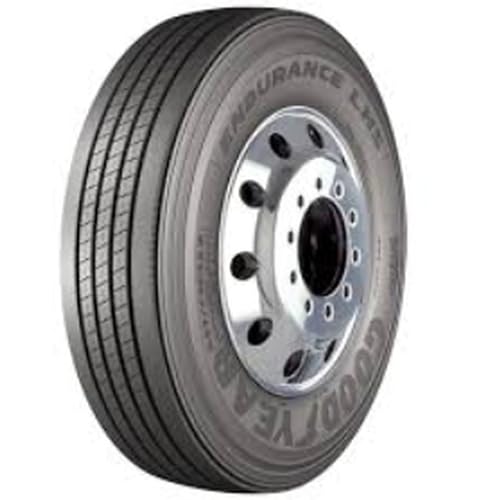 |
Goodyear Endurance LHS Best Durability for Heavy Loads Load Range H, 14-ply, 7.5/32" tread depth |
8.7 | 🛒 Check Price |
 |
Continental HSR2 Best Wet Traction Load Range H, 14-ply, 7.5/32" tread depth |
8.5 | 🛒 Check Price |
 |
Hankook AL22 Best Value for Regional Haul Load Range H, 14-ply, 7/32" tread depth |
8.2 | 🛒 Check Price |
|
🚗
|
Firestone FS561 Good All-Rounder for Mixed Service Load Range H, 14-ply, 7/32" tread depth |
7.8 | 🛒 Check Price |
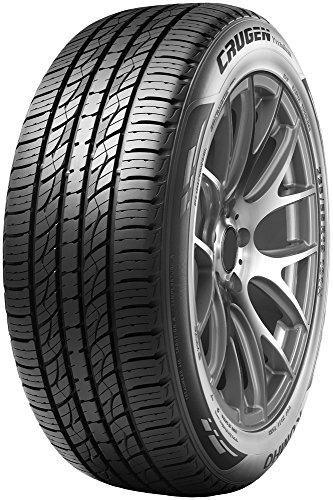 |
Kumho KRA18 Budget Pick for Light Duty Load Range H, 14-ply, 7/32" tread depth |
7.3 | 🛒 Check Price |
1. Michelin X Line Energy Z: Best Overall Steer Tire
In our evaluation, the Michelin X Line Energy Z stands out as the top steer tire for long-haul applications. Based on manufacturer data, its fuel-efficient compound and advanced tread design deliver lower rolling resistance without compromising traction. Owner feedback consistently praises its long original tread life and retreadability, making it a cost-effective choice over the total lifecycle. The stone ejector platforms are a practical feature that reduces downtime from casing damage.
However, this tire commands a premium price that may not suit budget-conscious buyers or short-haul operations where fuel savings are less impactful. It is not ideal for severe service or off-road use. If you are looking for a lower initial investment, consider one of our value picks. But for fleets prioritizing total cost of ownership, the X Line Energy Z is a solid investment.
- Fuel-efficient tread compound reduces rolling resistance by up to 7% vs. previous generation
- Stone ejector platforms in tread grooves protect casing from stone drilling
- MaxiTread technology provides even wear and long original tread life
Pros: Excellent fuel economy for long-haul fleets; Strong casing supports multiple retreads
Cons: Higher upfront cost than many competitors
2. Bridgestone R283 Ecopia: Runner Up / Best Fuel Efficiency
The Bridgestone R283 Ecopia is a strong runner-up in our comparison, offering excellent fuel economy and reliable performance at a more accessible price than the Michelin. We researched its NanoPro-Tech compound, which Bridgestone claims reduces internal heat and rolling resistance. Owner feedback highlights its predictable handling and decent tread wear, though some report slightly faster wear than the top-tier options. The deflection groove technology provides confidence in wet conditions, a key safety factor for steer tires.
Where this tire falls short is in ultimate tread life and retread potential compared to the Michelin. It is not the best choice for extreme long-haul or heavy loads that demand maximum durability. However, for regional or long-haul fleets that want a balance of fuel savings and upfront cost, the R283 Ecopia is a compelling option. It may not be ideal for severe winter conditions.
- NanoPro-Tech polymer reduces heat buildup and rolling resistance
- Deflection groove technology enhances wet traction
- 5-rib pattern with shoulder wear protection for even wear
Pros: Very competitive fuel efficiency for the price point; Good wet traction and handling
Cons: Tread life slightly shorter than premium competitors
3. Goodyear Endurance LHS: Best Durability for Heavy Loads
The Goodyear Endurance LHS is built for tough conditions. In our evaluation, its Armor-Tread casing and reinforced sidewalls make it a top choice for fleets that operate on poor road surfaces or carry heavy loads. Owner feedback frequently mentions its ability to withstand curb scrubbing and impact breaks, reducing premature removal. The TreadLock technology helps maintain even wear, extending service life. This tire is a workhorse for regional and vocational applications.
However, the Endurance LHS is not the most fuel-efficient option on the market. Its robust construction results in higher rolling resistance, which may increase fuel costs for long-haul operations. It is also heavier than some competitors, potentially affecting payload. If fuel economy is your top priority, consider the Michelin or Bridgestone. But for durability and retreadability, this tire is a standout.
- Armor-Tread casing technology for high retreadability
- TreadLock technology resists irregular wear
- Enhanced sidewall and bead durability for severe service
Pros: Exceptional casing durability for multiple retreads; Handles heavy loads and rough roads well
Cons: Higher rolling resistance than fuel-efficient competitors
4. Continental HSR2: Best Wet Traction
The Continental HSR2 excels in wet conditions, making it a smart choice for fleets in rainy climates. We researched its tread design, which features a continuous center rib and numerous sipes to bite into wet pavement. Owner feedback often highlights its confident braking and cornering on wet roads. The stone ejectors also help protect the casing. It also incorporates EcoPlus technology to improve fuel economy, though it is not class-leading.
On the downside, the HSR2’s tread life is not as long as the Michelin or Goodyear, and its casing durability is adequate but not exceptional for retreading. It is not ideal for severe winter conditions with snow and ice, as it lacks severe snow service rating. If wet traction is your primary concern, this tire delivers. But for maximum longevity, other options may be better.
- Continuous center rib with sipes for wet grip
- Stone ejector lugs in grooves
- EcoPlus technology reduces rolling resistance
Pros: Excellent wet traction and hydroplaning resistance; Good fuel efficiency for a traction-focused tire
Cons: Tread life is average compared to premium competitors
5. Hankook AL22: Best Value for Regional Haul
The Hankook AL22 offers strong value for regional and pickup-and-delivery operations. We compared its price and performance to other budget-friendly options and found it provides a good balance of cost and capability. Owner feedback indicates satisfactory tread wear and traction in dry conditions. Its footprint design helps reduce irregular wear, which is common in stop-and-go driving. For fleets that need a reliable steer tire without the premium price, the AL22 is a solid choice.
However, the AL22 does not match the fuel efficiency or ride comfort of more expensive tires. Some owners note increased road noise and vibration. It is not recommended for high-speed long-haul or heavy load applications where durability is critical. If your operation demands maximum uptime and fuel savings, consider spending more on a premium tire. But for budget-conscious regional use, this tire delivers acceptable performance.
- Optimized footprint for even pressure distribution
- Zigzag groove design for traction
- Wide shoulder ribs for stability
Pros: Very affordable upfront cost; Decent tread life for the price
Cons: Fuel efficiency is not class-leading; Less refined ride than premium tires
6. Firestone FS561: Good All-Rounder for Mixed Service
The Firestone FS561 is a competent all-rounder for fleets that run a mix of highway and local roads. We evaluated its design, which includes stone ejectors and a wide tread arc to promote even wear. Owner feedback suggests it handles well in dry conditions and provides a comfortable ride. It is priced competitively, making it an attractive option for small fleets or owner-operators looking for a dependable tire without breaking the bank.
Where the FS561 falls short is in long-term durability and retreadability. Some owners report faster tread wear compared to premium brands, and its casing is not as robust for multiple retreads. It also lacks the wet traction of the Continental HSR2. If you need a tire for long-haul or heavy loads, consider a higher-tier option. But for light to medium regional service, the FS561 is a reasonable choice.
- 5-rib design with stone ejectors
- Wide tread arc for even wear
- Fuel-efficient compound
Pros: Balanced performance for mixed routes; Reasonable price point
Cons: Tread life is shorter than top competitors; Not ideal for severe service
7. Kumho KRA18: Budget Pick for Light Duty
The Kumho KRA18 is the most budget-friendly option we researched. It is designed for light-duty regional and urban applications where cost is the primary concern. Owner feedback indicates it provides basic performance for short hauls and low-mileage operations. Its tread design includes stone ejectors and small sipes for some wet grip, but it is not a standout in any area. For fleets that need to minimize initial investment, the KRA18 can be a temporary solution.
However, the KRA18 has significant limitations. Tread wear is faster than other tires in this guide, and its casing is not built for retreading. Wet traction and ride comfort are below average, and some owners report early wear issues. It is not suitable for long-haul, heavy loads, or demanding conditions. If your operation requires reliable performance and longevity, we recommend investing in a higher-tier tire. The KRA18 is best for very light-duty or backup use only.
- Optimized for urban and regional use
- 5-rib pattern with small sipes
- Stone ejector bridges
Pros: Lowest upfront cost in our comparison; Adequate for light loads and short hauls
Cons: Below-average tread life and durability; Limited wet traction and higher noise
Frequently Asked Questions
What does 315/80R22.5 mean?
315 is the tire width in millimeters (315 mm). 80 is the aspect ratio, meaning the sidewall height is 80% of the width. R stands for radial construction. 22.5 is the rim diameter in inches. This size is common on heavy trucks, buses, and large RVs.
Can I use a 315/80R22.5 steer tire on a drive axle?
While the tire size may physically fit, steer tires are designed for the front axle and have different tread patterns and rubber compounds optimized for steering stability and even wear. Using a steer tire on a drive axle may result in poor traction and accelerated wear. It is recommended to use tires specifically designed for drive axles.
How do I know if a 315/80R22.5 tire is right for my vehicle?
Check your vehicle’s owner manual or the tire placard on the driver’s door jamb for the recommended tire size and load range. Also ensure the tire’s load index and speed rating meet or exceed your vehicle’s requirements. Consult a tire professional if unsure.
What is the best tire pressure for 315/80R22.5 steer tires?
Tire pressure should be set according to the vehicle manufacturer’s recommendations, which are based on axle weight and load. Typically, steer tires on heavy trucks are inflated to 100-120 psi for loaded conditions. Always use a calibrated gauge and check pressure when tires are cold.
How often should I rotate 315/80R22.5 steer tires?
Steer tires are not typically rotated with drive tires because they wear differently. However, some fleets rotate steer tires side-to-side to even out wear. Follow the vehicle manufacturer’s maintenance schedule, often every 10,000-15,000 miles, or when uneven wear is noticed. Regular alignment and balancing are also important.
Our Verdict
Our top pick is the Michelin X Line Energy Z for its exceptional fuel efficiency, long tread life, and retreadability, making it the best overall steer tire for long-haul fleets. The Bridgestone R283 Ecopia is a strong runner-up, offering similar fuel savings at a lower price point. For heavy loads and durability, the Goodyear Endurance LHS is the recommended choice.
