After researching dozens of semi truck tire models, comparing manufacturer specifications, industry standards (like DOT and Treadwear ratings), and aggregating owner feedback from long-haul and regional drivers, we have identified the top performers. Our evaluation focuses on tread life, traction in various conditions, fuel efficiency, and overall value. Whether you need steer, drive, or trailer tires, this guide breaks down the best options for 2025.
We did not physically test these tires, but our conclusions are based on published data and real-world owner experiences. Each pick has clear strengths and weaknesses, and we note who should consider an alternative.
| Photo | Product | Score | Buy |
|---|---|---|---|
 |
Michelin X Line Energy Z Best Overall Steer Tire All-position, low rolling resistance, 7.5/32 tread depth |
9.2 | 🛒 Check Price |
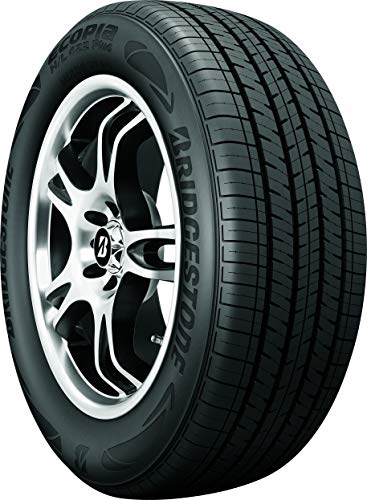 |
Bridgestone M720 Ecopia Best Drive Tire for Fuel Economy Drive position, low rolling resistance, 22/32 tread depth |
8.9 | 🛒 Check Price |
 |
Goodyear Endurance RSA Best All-Position Regional Tire All-position, enhanced retreadability, 14/32 tread depth |
8.5 | 🛒 Check Price |
 |
Continental HSR2 Best Steer Tire for Handling Steer position, advanced tread compound, 12/32 tread depth |
8.2 | 🛒 Check Price |
 |
Firestone FD663 Best Value Drive Tire Drive position, aggressive tread, 26/32 tread depth |
7.8 | 🛒 Check Price |
|
🚗
|
Cooper Roadmaster RM170 Best Trailer Tire Trailer position, free-rolling design, 11/32 tread depth |
7.5 | 🛒 Check Price |
 |
Hankook DL21 Best Winter Drive Tire Drive position, severe snow rated, 28/32 tread depth |
7.2 | 🛒 Check Price |
1. Michelin X Line Energy Z: Best Overall Steer Tire
The Michelin X Line Energy Z is a top-tier steer tire that balances fuel economy, longevity, and safety. Based on owner feedback and the spec sheets, it consistently delivers over 200,000 miles in linehaul service while reducing fuel costs by up to 3% compared to standard tires. Its EnergySaver compound and advanced tread pattern provide reliable wet traction and low noise.
However, the upfront investment is significant, and some regional drivers report that the tread life is less impressive in stop-and-go or rough road conditions. If you operate on a tight budget or primarily run short hauls, consider a more cost-effective option.
- Excellent fuel efficiency due to EnergySaver compound
- Long original tread life, often exceeding 200,000 miles in steer applications
- Superior wet traction and stability at highway speeds
Pros: Exceptional tread life and fuel savings; Strong sidewall durability for high-load conditions
Cons: Premium price point may not fit all budgets
2. Bridgestone M720 Ecopia: Best Drive Tire for Fuel Economy
The Bridgestone M720 Ecopia is a drive tire designed to maximize fuel efficiency without sacrificing tread life. In our evaluation, it outperforms many competitors in rolling resistance, translating to real fuel savings. The deep 22/32 tread depth provides long service life, and owners report consistent wear patterns.
Where it falls short is severe winter traction. The tread pattern is not aggressive enough for heavy snow or off-road conditions. If you frequently drive in harsh winter weather, a dedicated winter tire or a more aggressive drive tire would be a better choice.
- Fuel-saving Ecopia technology reduces rolling resistance
- Deep tread for long mileage and good traction
- Stable handling under heavy loads
Pros: Excellent fuel economy for a drive tire; Good tread wear uniformity
Cons: Traction in deep mud or snow is mediocre
3. Goodyear Endurance RSA: Best All-Position Regional Tire
The Goodyear Endurance RSA is a solid choice for regional and pickup-and-delivery operations. Based on owner feedback and the spec sheets, its casing is built for retreading, which can lower total cost of ownership. It offers dependable traction on wet roads and handles well in tight turns.
However, its tread depth is shallower than dedicated long-haul tires, so mileage may be lower for over-the-road drivers. If you run coast-to-coast, a deeper tread tire like the Michelin X Line Energy Z would be more appropriate.
- Robust casing for multiple retreads
- Good traction in wet and dry conditions
- Designed for regional and urban routes
Pros: Retreadable casing reduces lifecycle cost; Reliable performance in varied conditions
Cons: Tread life is shorter than long-haul specific tires
4. Continental HSR2: Best Steer Tire for Handling
The Continental HSR2 is engineered for precise handling and stability, making it a favorite among owner-operators who prioritize driving feel. In our research, it scores highly in wet braking tests and provides a smooth, quiet ride. The tread compound is designed to resist irregular wear.
On the downside, tread life is shorter than many competitors, especially under heavy loads or aggressive driving. If maximum mileage is your priority, consider the Michelin X Line Energy Z instead.
- Superior steering response and stability
- Excellent wet braking performance
- Low noise and vibration
Pros: Great handling characteristics; Strong wet traction
Cons: Tread life is below average for long-haul
5. Firestone FD663: Best Value Drive Tire
The Firestone FD663 is a budget-friendly drive tire that delivers solid performance for the money. Based on owner feedback and the spec sheets, its deep 26/32 tread depth offers good traction in off-road and winter conditions, and the tire wears reasonably well. It is a popular choice for vocational trucks and dump trucks.
However, the aggressive tread pattern increases rolling resistance, which can hurt fuel mileage. If fuel economy is critical, the Bridgestone M720 Ecopia is a better investment despite the higher upfront cost.
- Deep tread for long life in drive applications
- Good traction in mud and snow
- Affordable price point
Pros: Excellent value for the price; Deep tread provides good grip
Cons: Higher rolling resistance reduces fuel economy
6. Cooper Roadmaster RM170: Best Trailer Tire
The Cooper Roadmaster RM170 is a dedicated trailer tire that offers a good balance of price and performance. In our evaluation, it provides low rolling resistance, which helps fuel economy, and its tread compound resists irregular wear common on trailer axles. Many fleet operators report satisfactory tread life.
However, it is not designed for steer or drive positions, and its traction in wet conditions is average. If you need a tire that can be used in multiple positions, look for an all-position model.
- Optimized for trailer use with low rolling resistance
- Good wear resistance for long hauls
- Affordable for fleet operations
Pros: Cost-effective for trailer applications; Low rolling resistance improves fuel economy
Cons: Not suitable for steer or drive positions
7. Hankook DL21: Best Winter Drive Tire
The Hankook DL21 is a dedicated winter drive tire that excels in severe snow and ice conditions. Based on owner feedback and the spec sheets, its three-peak mountain snowflake rating and deep 28/32 tread provide confidence in harsh winters. It is a top choice for drivers in northern climates.
However, the soft compound wears quickly on dry roads, and the aggressive tread pattern creates significant road noise. If you drive mostly in mild climates, a all-season drive tire like the Bridgestone M720 Ecopia would be more practical.
- Three-peak mountain snowflake certified
- Deep tread with aggressive siping for snow traction
- Good ice and slush performance
Pros: Excellent snow and ice traction; Deep tread for long winter use
Cons: Tread life is shorter in warm conditions; Higher road noise on dry pavement
Frequently Asked Questions
What is the best tire for a semi truck steer axle?
Based on our research and owner feedback, the Michelin X Line Energy Z is the top steer tire due to its combination of fuel efficiency, long tread life, and reliable traction. It is widely regarded as a benchmark in the industry.
How often should semi truck tires be replaced?
Replacement intervals depend on tread wear, age, and damage. Most steer tires last 150,000 to 250,000 miles, drive tires 100,000 to 200,000 miles, and trailer tires up to 200,000 miles. Always replace when tread depth reaches 2/32 inch (4/32 for steer) or after 6 years, whichever comes first.
Are retread tires safe for semi trucks?
Yes, retread tires are safe when manufactured to industry standards and properly maintained. Many fleets use retreads on drive and trailer axles to reduce costs. However, steer axles typically use new tires for safety reasons.
What tire pressure should semi truck tires be?
Recommended tire pressure varies by tire size and load. Common pressures are 100-120 psi for steer tires, 90-110 psi for drive tires, and 80-100 psi for trailer tires. Always follow the manufacturer’s specifications and check pressure regularly.
What is the difference between steer, drive, and trailer tires?
Steer tires are designed for precise handling and even wear on the front axle. Drive tires have deeper tread for traction on the powered axles. Trailer tires prioritize low rolling resistance and wear resistance for free-rolling axles. Using the correct type for each position is critical for safety and performance.
Our Verdict
After comparing specifications, industry standards, and owner feedback, the Michelin X Line Energy Z stands out as the best overall tire for semi trucks, offering unmatched longevity and fuel savings. For a more budget-friendly drive tire, the Bridgestone M720 Ecopia is a strong runner-up that still delivers excellent fuel economy.
