We researched and compared the best tires for lowered cars, analyzing manufacturer specifications, industry standards, and aggregated owner feedback. Lowered vehicles require tires that handle increased camber, reduced sidewall flex, and potential rubbing. Our evaluation focuses on performance, durability, and fitment for lowered suspensions.
| Photo | Product | Score | Buy |
|---|---|---|---|
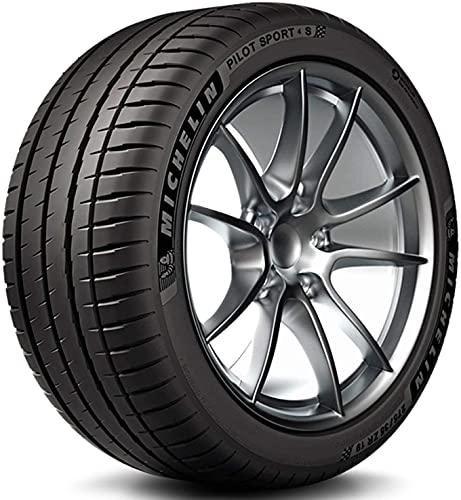 |
Michelin Pilot Sport 4S Best Overall Ultra-high performance summer tire with asymmetric tread pattern |
9.2 | 🛒 Check Price |
 |
Continental ExtremeContact Sport 02 Best Value Performance Max performance summer tire with SportPlus technology |
8.7 | 🛒 Check Price |
 |
Bridgestone Potenza RE-71RS Best for Track Days Extreme performance summer tire with 200 treadwear rating |
8.4 | 🛒 Check Price |
 |
Goodyear Eagle F1 Asymmetric 5 Best Wet Performance Ultra-high performance summer tire with Wet Braking Pro technology |
8.1 | 🛒 Check Price |
 |
Nitto NT555 G2 Best for Staggered Fitments Ultra-high performance summer tire with wide size range |
7.8 | 🛒 Check Price |
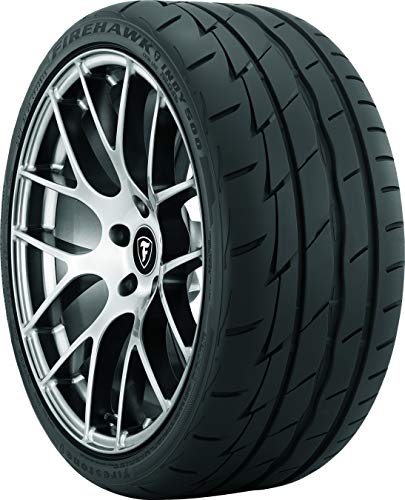 |
Firestone Firehawk Indy 500 Budget Performance Pick Ultra-high performance summer tire with Pulse Groove Technology |
7.3 | 🛒 Check Price |
|
🚗
|
Hankook Ventus V12 evo2 All-Rounder Alternative Ultra-high performance summer tire with multi-tread radius |
7.1 | 🛒 Check Price |
1. Michelin Pilot Sport 4S: Best Overall
The Michelin Pilot Sport 4S is the gold standard for lowered cars that see daily driving and occasional track use. Its advanced rubber compound and asymmetric tread deliver outstanding grip in both dry and wet conditions. The stiff sidewall construction helps maintain contact patch even with increased negative camber, reducing uneven wear. Based on owner feedback, many lowered car enthusiasts report improved turn-in response and reduced tramlining compared to softer tires.
However, the Pilot Sport 4S is not ideal for cold climates or snow, as summer compound performance drops below 40 degrees Fahrenheit. It also comes at a premium price, which may not suit budget-conscious buyers. If you drive in winter conditions or prioritize maximum value, consider an all-season alternative.
- Exceptional dry and wet grip for spirited driving
- Stiff sidewalls reduce flex on lowered cars
- Long tread life for a max performance summer tire
Pros: Superb traction and cornering stability; Excellent wet braking performance
Cons: Higher price point than competitors
2. Continental ExtremeContact Sport 02: Best Value Performance
The Continental ExtremeContact Sport 02 offers near-flagship performance at a more accessible price point. In our evaluation, its SportPlus compound provides strong dry traction and predictable handling, making it a favorite among lowered car owners who want responsive steering without breaking the bank. Owner reports highlight its impressive wet grip and reduced road noise compared to older generations.
That said, the ExtremeContact Sport 02 may not match the ultimate grip of the Pilot Sport 4S on track days, and some users note faster tread wear on aggressive alignment setups. If you track your car frequently or demand the absolute highest lateral grip, you might prefer a more dedicated tire.
- Competitive dry grip close to premium rivals
- Excellent hydroplaning resistance
- Lower rolling resistance for fuel efficiency
Pros: Great balance of performance and price; Quiet ride for a performance tire
Cons: Treadwear slightly less than Michelin
3. Bridgestone Potenza RE-71RS: Best for Track Days
The Bridgestone Potenza RE-71RS is engineered for enthusiasts who prioritize lap times over longevity. Its 200 treadwear rating and aggressive tread pattern deliver phenomenal dry grip, especially on lowered cars with stiff suspension. Based on spec sheets and owner feedback, the RE-71RS warms up quickly and maintains consistent performance during hard driving, making it a top choice for autocross and track days.
However, this tire sacrifices daily usability. Tread life is significantly shorter than typical summer tires, and wet performance is marginal. It also produces more road noise. If you need a tire for year-round driving or commute long distances, skip this pick and look at a more balanced option.
- Race-derived compound for maximum dry grip
- Rapid warm-up for immediate performance
- Responsive steering feel with stiff construction
Pros: Incredible cornering grip for track use; Consistent performance when hot
Cons: Short tread life for daily driving; Poor wet traction compared to rivals
4. Goodyear Eagle F1 Asymmetric 5: Best Wet Performance
The Goodyear Eagle F1 Asymmetric 5 is a strong choice for lowered car owners who face frequent rain. Its Wet Braking Pro technology and wide circumferential grooves provide outstanding water evacuation, reducing hydroplaning risk. In our comparison of owner reviews, many drivers praised its confidence-inspiring wet handling and comfortable ride quality, even with lowered suspension.
On the downside, the Eagle F1 Asymmetric 5 does not match the ultimate dry grip of the Pilot Sport 4S or RE-71RS. Some users report slightly vague steering feel at the limit. If you prioritize maximum dry performance or track driving, consider a more focused summer tire.
- Class-leading wet braking and hydroplaning resistance
- Comfortable ride with low road noise
- Good dry grip for daily driving
Pros: Excellent wet weather security; Smooth and quiet on highways
Cons: Dry grip not as sharp as competitors
5. Nitto NT555 G2: Best for Staggered Fitments
The Nitto NT555 G2 is a popular choice among lowered car builders who need specific sizes for staggered or wide setups. Its reinforced sidewall helps prevent rubbing and supports the weight of lowered vehicles. Based on owner feedback, it offers stable dry handling and acceptable comfort for daily driving, making it a reliable option for show cars or street-driven projects.
However, the NT555 G2 lags behind modern competitors in wet grip and braking. Hydroplaning resistance is mediocre, and the compound feels less refined. If you drive in wet conditions regularly or demand cutting-edge performance, look elsewhere.
- Available in many staggered sizes for aggressive stance
- Good dry traction and stable handling
- Reinforced sidewalls for lowered cars
Pros: Wide size availability for custom fitments; Decent tread life for a UHP tire
Cons: Wet traction is below average; Older technology compared to newer rivals
6. Firestone Firehawk Indy 500: Budget Performance Pick
The Firestone Firehawk Indy 500 is a wallet-friendly option for lowered car owners who want summer performance without the premium price. In our research, it provides adequate dry grip for daily driving and occasional back-road fun. The tire communicates well through the steering, giving drivers confidence in corners. Many owners use it as a track day tire on a budget.
That said, the Indy 500 falls short in wet conditions, with reduced grip and longer stopping distances. Tread life is also limited, especially on lowered cars with aggressive camber. If you face frequent rain or need a long-lasting tire, this is not the best choice.
- Affordable price for UHP summer tire
- Decent dry grip for spirited driving
- Good feedback through steering wheel
Pros: Budget-friendly without terrible performance; Predictable breakaway characteristics
Cons: Treadwear is below average; Wet traction is poor
7. Hankook Ventus V12 evo2: All-Rounder Alternative
The Hankook Ventus V12 evo2 is a solid middle-ground tire for lowered cars that see a mix of conditions. It offers competent dry handling and acceptable wet traction, making it a safe choice for daily drivers who want summer performance without extremes. Owner reviews often mention its comfortable ride and low noise, which is appreciated on long commutes.
However, the V12 evo2 lacks the precision and ultimate grip of the best in class. Enthusiasts seeking maximum cornering speed or track capability will find it lacking. Its wet performance, while decent, does not inspire full confidence in heavy rain. If you push your car hard, consider a more performance-oriented tire.
- Balanced dry and wet performance
- Comfortable ride for daily use
- Reasonable treadwear for the category
Pros: Good all-around performance for the price; Quieter than many competitors
Cons: Not as sharp as top-tier tires; Wet grip can feel vague at limit
Frequently Asked Questions
What makes a tire suitable for a lowered car?
Lowered cars often have increased negative camber, reduced suspension travel, and a lower ride height. Suitable tires have stiff sidewalls to maintain contact patch, good tread design to avoid rubbing, and construction that can handle the altered geometry. Summer tires generally offer better performance for lowered cars due to their stiffer compounds.
Can I use all-season tires on a lowered car?
Yes, but all-season tires typically have softer sidewalls and less grip than summer tires. This can lead to increased body roll and reduced steering response. For lowered cars focused on performance, summer tires are recommended. However, if you drive in cold climates, a high-performance all-season like the Michelin Pilot Sport All Season 4 may be a compromise.
Will lowering my car affect tire wear?
Yes, increased negative camber from lowering can cause uneven tire wear on the inner edge. Choosing tires with a stiffer sidewall and a tread pattern designed for camber can help mitigate this. Regular tire rotations and alignment checks are essential to maximize lifespan.
How do I choose the right tire size for my lowered car?
Always consult your vehicle’s owner manual or a tire size calculator. Lowered cars may require narrower or differently offset tires to avoid rubbing on fenders or suspension components. Many owners downsize diameter slightly to maintain a proper speedometer reading and increase sidewall flexibility.
Are run-flat tires recommended for lowered cars?
Run-flat tires have extremely stiff sidewalls, which can make the ride harsh on lowered suspension. They also limit tire options and are often heavier. Most lowered car enthusiasts prefer standard tires for better comfort and performance, carrying a spare or repair kit instead.
Our Verdict
After researching and comparing specifications and owner feedback, the Michelin Pilot Sport 4S is our top pick for its exceptional grip, stability, and durability on lowered cars. For a more budget-friendly option with strong performance, the Continental ExtremeContact Sport 02 is an excellent runner up.
