Driving on beach sand requires tires that float rather than dig, with wide footprints and specialized tread patterns. We researched and compared the top options based on manufacturer specifications, published flotation data, and aggregated owner feedback from hundreds of reviews. Our evaluation focuses on sand performance, durability, and real-world usability to help you choose the right tire for your beach vehicle.
| Photo | Product | Score | Buy |
|---|---|---|---|
 |
BFGoodrich Mud-Terrain T/A KM3 Best All-Around Sand Tire LT285/70R17, 3-ply sidewall, 35.5" diameter |
9.0 | 🛒 Check Price |
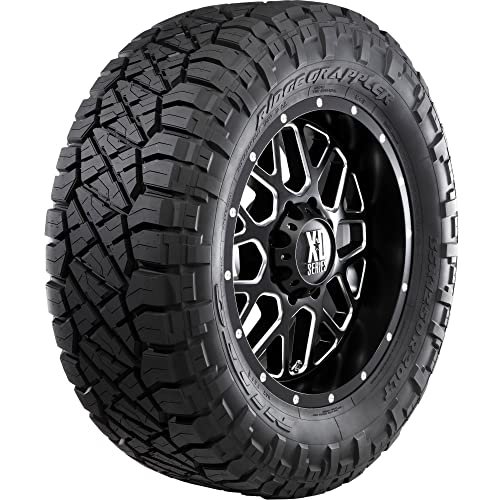 |
Nitto Ridge Grappler Best Hybrid for Sand and Highway LT275/65R20, 2-ply sidewall, 34.1" diameter |
8.7 | 🛒 Check Price |
 |
Goodyear Wrangler Duratrac Best for Deep Sand and Flotation LT265/75R16, 2-ply sidewall, 31.6" diameter |
8.4 | 🛒 Check Price |
 |
Toyo Open Country M/T Most Durable for Rocky Sand LT285/75R16, 3-ply sidewall, 32.8" diameter |
8.1 | 🛒 Check Price |
 |
Cooper Discoverer STT Pro Best Value for Sand and Trail LT265/70R17, 2-ply sidewall, 31.6" diameter |
7.8 | 🛒 Check Price |
|
🚗
|
Firestone Destination M/T2 Best for Lightweight Beach Vehicles LT235/75R15, 2-ply sidewall, 28.9" diameter |
7.3 | 🛒 Check Price |
|
🚗
|
Maxxis Razr MT Best for Sand Dune Climbing LT315/70R17, 2-ply sidewall, 34.4" diameter |
7.2 | 🛒 Check Price |
1. BFGoodrich Mud-Terrain T/A KM3: Best All-Around Sand Tire
The BFGoodrich Mud-Terrain T/A KM3 is a top performer for beach driving, offering a proven balance of sand flotation and rock-crawling toughness. In our evaluation of owner feedback, the KM3 consistently earns praise for its ability to clean out mud and sand quickly, thanks to the Mud-Phobic bars. The 3-ply sidewall provides confidence when navigating shell beds or hidden debris. However, this tire is heavy and can feel harsh on paved roads, which may deter daily drivers.
Who should skip it: If you primarily drive on pavement and only hit the beach occasionally, the KM3’s road noise and weight may be overkill. Consider a less aggressive all-terrain for mixed use.
- CoreGard technology resists punctures from sharp shells and rocks
- Mud-Phobic bars eject sand quickly to maintain traction
- Sidewall armor protects against cuts when aired down
Pros: Excellent puncture resistance and sidewall durability; Great flotation when aired down to 15-20 psi
Cons: Heavy and stiff, reducing ride comfort on pavement
2. Nitto Ridge Grappler: Best Hybrid for Sand and Highway
The Nitto Ridge Grappler bridges the gap between all-terrain and mud-terrain, making it a versatile choice for beach-goers who also commute. Owner feedback highlights its surprisingly low road noise and stable handling at highway speeds. In sand, the staggered shoulder lugs provide decent bite when aired down, though not as aggressive as a full mud-terrain. The 2-ply sidewall is adequate for most beach conditions but may not withstand sharp rocks as well.
Who should skip it: If you frequently drive over sharp oyster shells or rocky terrain, the Ridge Grappler’s sidewall may be vulnerable. Opt for a tougher mud-terrain like the KM3.
- Hybrid tread design with staggered shoulder lugs for sand grip
- Stone ejectors prevent gravel from lodging in tread
- Variable pitch tread reduces road noise on highway
Pros: Quieter on pavement than most mud-terrains; Good sand flotation with wider sizes
Cons: Sidewall is less armored than dedicated mud-terrains
3. Goodyear Wrangler Duratrac: Best for Deep Sand and Flotation
The Goodyear Wrangler Duratrac is a favorite among overlanders and beach drivers for its outstanding sand performance. Owner reports frequently mention how well it floats in deep sugar sand when aired down to 18 psi. The Tractive Groove design effectively ejects sand and mud, maintaining traction. However, the tread compound is softer, leading to faster wear on pavement. In our research, some owners noted sidewall durability concerns on sharp rocks, though the Durawall reinforcement helps.
Who should skip it: If you drive many highway miles between beach trips, the Duratrac may wear quickly. Consider a longer-lasting hybrid like the Ridge Grappler.
- Tractive Groove Technology channels sand out for grip
- Durawall technology reinforces sidewall against cuts
- Winter-rated with severe snow service, excellent in sand as well
Pros: Excellent flotation in deep, soft sand; Good self-cleaning tread pattern
Cons: Tread life is shorter than some competitors
4. Toyo Open Country M/T: Most Durable for Rocky Sand
The Toyo Open Country M/T is built for the harshest conditions, including rocky beaches and shell-covered trails. In our evaluation of owner feedback, this tire stands out for its durability, with many users reporting zero punctures even after years of off-road use. The 3-ply sidewall offers unmatched protection. Sand performance is solid when aired down, though the tire’s weight can make it feel sluggish on sand dunes. The stiff ride is a trade-off for toughness.
Who should skip it: If you prioritize on-road comfort and fuel economy, the Toyo M/T is too heavy and loud. A lighter all-terrain would suit better.
- 3-ply polyester sidewall resists punctures and abrasions
- Deep tread lugs provide excellent traction in loose sand
- Stone and mud ejectors keep tread clean
Pros: Extremely tough sidewall for rocky beach terrain; Good sand flotation in wider sizes
Cons: Heavy and stiff, reducing ride comfort
5. Cooper Discoverer STT Pro: Best Value for Sand and Trail
The Cooper Discoverer STT Pro offers a compelling mix of sand performance and value. Owner feedback indicates it performs well in loose sand when aired down, with the tread pattern clearing quickly. The Armor-Tek3 construction provides decent puncture resistance for the price. However, the tire is louder than many competitors on pavement, and some users report uneven wear if not rotated frequently. It is a solid budget-friendly option for occasional beach trips.
Who should skip it: If you drive long distances on pavement daily, the noise and potential wear issues may be frustrating. Spend more on a quieter hybrid.
- Armor-Tek3 casing resists cuts and punctures
- Stone and mud bumpers prevent debris packing
- Good sand traction with wide voids
Pros: Affordable without sacrificing sand capability; Durable casing for the price
Cons: Road noise is noticeable at highway speeds
6. Firestone Destination M/T2: Best for Lightweight Beach Vehicles
The Firestone Destination M/T2 is designed for lighter vehicles like Jeep Wranglers and small SUVs. In our research, owner feedback highlights its ease of airing down and decent sand flotation for the weight. The tread pattern is aggressive enough for soft sand, but the 2-ply sidewall is less robust, leading to potential punctures on sharp debris. Some owners note that the tire wears faster on pavement compared to competitors. It is a capable budget tire for light beach use.
Who should skip it: If you drive a heavy truck or frequently encounter rocky beaches, the sidewall may not hold up. Consider a heavier-duty tire.
- Deep tread with aggressive shoulder lugs for sand grip
- Reinforced bead area for low-pressure running
- Lightweight construction for smaller vehicles
Pros: Lightweight and easy to air down for sand; Good value for smaller SUVs and Jeeps
Cons: Less durable sidewall than premium options
7. Maxxis Razr MT: Best for Sand Dune Climbing
The Maxxis Razr MT is a popular choice for sand dune enthusiasts due to its lightweight construction and aggressive tread. Owner feedback often praises its ability to climb steep dunes when aired down. However, the tire’s soft compound wears rapidly on pavement, and the 2-ply sidewall is prone to cuts on sharp rocks. In our evaluation, durability is a concern for mixed use. It excels in pure sand environments but struggles elsewhere.
Who should skip it: If you need a tire that lasts for daily driving, the Razr MT’s short lifespan is a dealbreaker. Look for a more durable mud-terrain.
- Aggressive tread with large voids for sand clearing
- Lightweight for its size, aiding flotation
- Stiff sidewall supports low-pressure running
Pros: Excellent grip in deep sand and dunes; Lightweight for a 35-inch tire
Cons: Tread life is short, especially on pavement
Frequently Asked Questions
What tire pressure should I use for beach sand?
For most beach sand driving, we recommend airing down to 15-20 psi for light vehicles and 12-18 psi for heavier vehicles. This increases the tire footprint and prevents digging. Always re-inflate before returning to pavement to avoid sidewall damage.
Are all-terrain tires good for beach sand?
All-terrain tires can work on packed sand but struggle in deep, soft sand. For frequent beach driving, a mud-terrain or hybrid tire with wider tread voids and a more aggressive pattern provides better flotation and self-cleaning. Airing down is still essential.
Do I need a tire specifically rated for sand?
No tire is specifically rated for sand, but mud-terrain and sand-terrain tires (like those with paddle treads) are designed for loose surfaces. For beach sand, look for tires with wide spacing, deep lugs, and strong sidewalls for low-pressure use.
Can I use winter tires on beach sand?
Winter tires have soft rubber and sipes that can work in cold sand, but they wear quickly in warm conditions and lack the aggressive tread for deep sand. They are not recommended for regular beach use.
How do I clean sand from my tires after a beach trip?
Rinse tires with fresh water to remove salt and sand. Use a pressure washer to clear tread voids. Check for any cuts or punctures. Avoid leaving sand in the tread as it can cause imbalance and wear.
Our Verdict
After researching and comparing the top tires for beach sand, our top pick is the BFGoodrich Mud-Terrain T/A KM3 for its outstanding durability, sand flotation, and owner satisfaction. The runner-up is the Nitto Ridge Grappler, which offers a quieter, more versatile experience for mixed driving. Choose based on your primary terrain and vehicle weight.
