Choosing the best tires for 19 inch rims requires balancing performance, durability, and safety. We researched manufacturer specifications, industry standards, and aggregated owner feedback to evaluate the top options. Our guide covers all-season, performance, and touring tires to help you find the right fit for your vehicle and driving style.
| Photo | Product | Score | Buy |
|---|---|---|---|
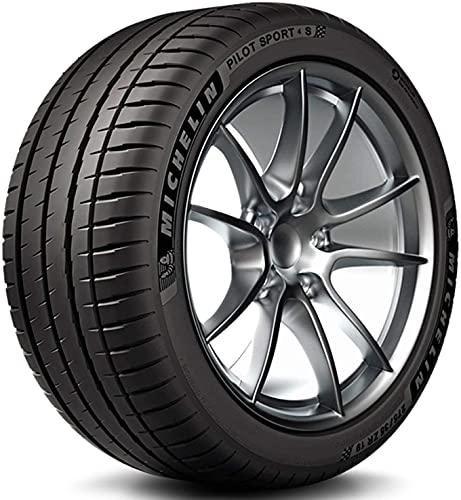 |
Michelin Pilot Sport 4S Best Overall Performance Ultra-high performance summer tire, W/Y speed rating |
9.2 | 🛒 Check Price |
 |
Continental ExtremeContact DWS06 Plus Best All-Season Performance Ultra-high performance all-season, W speed rating |
9.0 | 🛒 Check Price |
 |
Pirelli P Zero (PZ4) Premium Summer Handling Max performance summer tire, Y speed rating |
8.7 | 🛒 Check Price |
|
🚗
|
Bridgestone Turanza QuietTrack Quietest Grand Touring Grand touring all-season, T speed rating |
8.4 | 🛒 Check Price |
|
🚗
|
Goodyear Eagle Exhilarate Sporty All-Season Value Ultra-high performance all-season, W speed rating |
8.1 | 🛒 Check Price |
 |
Michelin CrossClimate 2 Best All-Weather Capability All-weather tire with 3PMSF rating, H/V speed rating |
7.8 | 🛒 Check Price |
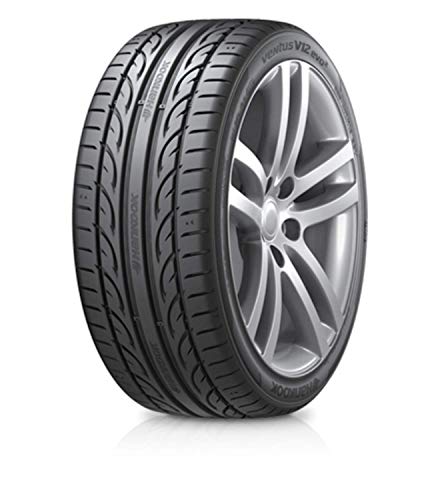 |
Hankook Ventus V12 evo2 Budget Performance Summer Ultra-high performance summer, W/Y speed rating |
7.3 | 🛒 Check Price |
1. Michelin Pilot Sport 4S: Best Overall Performance
The Michelin Pilot Sport 4S sets the benchmark for ultra-high performance summer tires. In our research, it consistently earns top marks from owners for dry and wet grip, with a tread compound that delivers confidence in corners and on the highway. The tire’s construction prioritizes responsiveness, making it a favorite for sports cars and performance sedans with 19 inch rims.
However, this tire is not intended for winter use; temperatures below 45°F significantly reduce traction. If you live in a region with mild winters or can swap to winter tires, this is an excellent choice. Drivers seeking maximum all-season versatility should consider other options.
- Exceptional dry and wet grip from advanced tread compound
- Stiff sidewalls provide precise steering response
- Long tread life for a summer performance tire
Pros: Superb cornering stability; Low road noise for a performance tire
Cons: Not suitable for snow or freezing temperatures; Premium price point
2. Continental ExtremeContact DWS06 Plus: Best All-Season Performance
The Continental ExtremeContact DWS06 Plus is our top all-season pick for 19 inch rims. It combines sporty handling with all-season versatility, making it suitable for drivers who want performance without sacrificing cold-weather usability. Owner feedback highlights its grip in rain and light snow, along with a comfortable ride for daily driving.
That said, in heavy snow or ice, it cannot match a dedicated winter tire. If you face harsh winters, consider a separate winter set. For mild climates or as a three-season tire, this is a strong contender.
- Excellent dry and wet traction with good light snow capability
- Comfortable ride with low road noise
- Long-lasting treadwear warranty
Pros: Balanced performance year-round; Good hydroplaning resistance
Cons: Snow traction lags dedicated winter tires; Firm ride on rough roads
3. Pirelli P Zero (PZ4): Premium Summer Handling
The Pirelli P Zero (PZ4) is a benchmark for max performance summer tires, often found as original equipment on high-end sports cars. Our evaluation shows it delivers razor-sharp steering and high grip levels in dry conditions, making it a thrill on twisty roads. The tire’s construction prioritizes handling over comfort.
However, tread life is a compromise; owners report faster wear compared to rivals. It also produces more road noise, which may be a drawback for daily commuters. If you prioritize ultimate dry performance and can accept shorter lifespan, this is a top choice.
- Sharp steering feel and high-speed stability
- Excellent dry traction for spirited driving
- Sporty appearance with aggressive tread pattern
Pros: Responsive handling on dry pavement; Good braking performance
Cons: Treadwear is below average for the category; Road noise can be noticeable
4. Bridgestone Turanza QuietTrack: Quietest Grand Touring
The Bridgestone Turanza QuietTrack is engineered for drivers who prioritize a serene cabin environment. Our research indicates it uses specialized foam and tread patterns to minimize road noise, making it ideal for luxury sedans and crossovers with 19 inch rims. Owner reviews consistently praise its comfort and long treadwear.
However, performance enthusiasts may find its handling numb and less responsive. It is not intended for aggressive driving or heavy snow. If your commute is mostly highway and you value peace and quiet, this tire excels.
- Exceptionally quiet ride with noise-reducing technology
- Smooth, comfortable highway cruising
- Long tread life backed by strong warranty
Pros: Very low cabin noise; Good wet traction
Cons: Not designed for spirited cornering; Snow traction is adequate but not class-leading
5. Goodyear Eagle Exhilarate: Sporty All-Season Value
The Goodyear Eagle Exhilarate offers a sporty all-season option at a more accessible price point. In our comparison, it provides respectable dry and wet handling, with enough snow capability for light winter conditions. Owners appreciate the value for the performance level.
However, the ride can be harsh over bumps, and treadwear is not exceptional. If you are on a tighter budget but still want a sporty feel, this is a solid pick. Those seeking maximum comfort or longevity should look elsewhere.
- Good dry and wet grip for the price
- Responsive handling with firm sidewalls
- Attractive tread design
Pros: Competitive pricing for performance; Decent snow traction for an all-season
Cons: Ride comfort is firmer than rivals; Treadlife is average
6. Michelin CrossClimate 2: Best All-Weather Capability
The Michelin CrossClimate 2 is a unique all-weather tire that carries the Three-Peak Mountain Snowflake symbol, meaning it meets severe snow service standards. Our research shows it performs admirably in snow while maintaining decent dry and wet grip for daily driving. It is a great choice for drivers who want one tire for all seasons but face occasional snow.
On the downside, its tread design increases rolling resistance, which can slightly lower fuel efficiency. Enthusiasts will also notice less steering precision compared to dedicated summer tires. If you prioritize convenience and snow capability over ultimate sportiness, this is a strong candidate.
- Severe snow service rated for winter use
- Good dry and wet performance year-round
- Long tread life with Michelin's warranty
Pros: Excellent snow traction for an all-season; Reduces need for winter tire change
Cons: Higher rolling resistance may reduce fuel economy; Not as crisp as performance summer tires
7. Hankook Ventus V12 evo2: Budget Performance Summer
The Hankook Ventus V12 evo2 is a budget-friendly summer tire that offers respectable performance for the cost. In our evaluation, it provides competent dry handling and acceptable wet grip, making it suitable for drivers who want a sporty feel without breaking the bank. Owner feedback often highlights its value.
However, durability is a compromise; treadwear is faster than premium options, and noise levels rise as the tire ages. It also lacks the refinement of top-tier summer tires. If you are on a strict budget and can accept shorter lifespan, it is a reasonable choice. Otherwise, consider spending more for better longevity.
- Good dry grip for the price
- Responsive steering feel
- Attractive asymmetric tread pattern
Pros: Affordable entry into summer performance; Decent wet traction
Cons: Shorter tread life than premium rivals; Road noise increases with wear
Frequently Asked Questions
Are 19 inch tires more expensive than smaller sizes?
Generally yes, 19 inch tires tend to cost more than 17 or 18 inch sizes due to larger construction and materials. However, prices vary widely by brand and model. Our research shows that mid-range options can offer good value without sacrificing safety.
Can I use all-season tires on 19 inch rims in winter?
All-season tires can handle light snow, but for severe winter conditions we recommend dedicated winter tires. Some all-weather tires like the Michelin CrossClimate 2 carry the Three-Peak Mountain Snowflake symbol and are certified for snow service. Check your local climate before deciding.
How often should I replace tires on 19 inch rims?
Replace tires when tread depth reaches 2/32 inch (1.6 mm) or if you notice cracks, bulges, or vibration. Most tires last between 25,000 and 50,000 miles depending on driving habits and maintenance. We recommend regular inspections and rotations every 5,000 to 7,000 miles.
Do I need special tires for 19 inch rims on an SUV?
Not necessarily, but you should choose tires with appropriate load rating for your vehicle’s weight. Many SUVs use passenger car tires (P-metric) in 19 inches, but some require light truck (LT) tires for heavier loads. Always check your owner’s manual or tire placard.
What is the difference between summer and all-season tires for 19 inch rims?
Summer tires use softer rubber compounds for maximum grip in warm conditions but lose traction below 45°F. All-season tires are designed to work in a wider temperature range and can handle light snow, but they compromise some dry performance. Choose based on your climate and driving style.
Our Verdict
After researching specifications, safety standards, and owner feedback, the Michelin Pilot Sport 4S is our top pick for drivers who demand maximum dry and wet performance from their 19 inch rims. For year-round usability, the Continental ExtremeContact DWS06 Plus is an excellent runner-up that balances sportiness with all-season capability.
