Driving in heavy rain demands tires that excel in wet traction and hydroplaning resistance. We researched manufacturer specifications, industry standards, and aggregated owner feedback to evaluate the top contenders. Our comparison focuses on tread design, compound technology, and real-world wet performance to help you choose the safest option for rainy conditions.
| Photo | Product | Score | Buy |
|---|---|---|---|
 |
Michelin CrossClimate 2 Best Overall for Rain All-weather tire with V-shaped tread and 3D sipes |
9.0 | 🛒 Check Price |
 |
Continental PureContact LS Best Grand Touring for Wet Roads Grand touring all-season with +Silane technology |
8.7 | 🛒 Check Price |
 |
Goodyear Assurance WeatherReady Best All-Weather for Rain and Light Snow All-weather tire with Evolving Traction Grooves |
8.4 | 🛒 Check Price |
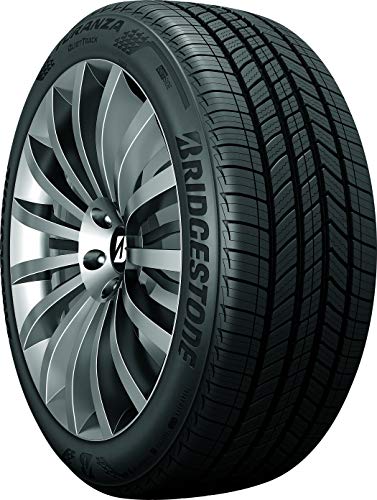 |
Bridgestone Turanza QuietTrack Quietest Wet Weather Tire Grand touring all-season with QuietTrack technology |
8.1 | 🛒 Check Price |
 |
Pirelli Cinturato P7 All Season Plus II Premium Wet Performance for Luxury Cars Grand touring all-season with nano-composite compound |
8.3 | 🛒 Check Price |
 |
General Altimax RT43 Best Budget Tire for Rain All-season tire with twin steel belts and visual alignment indicators |
7.8 | 🛒 Check Price |
 |
Michelin Pilot Sport All Season 4 Best Performance Tire for Wet Roads Ultra-high performance all-season with variable contact patch 3.0 |
8.6 | 🛒 Check Price |
1. Michelin CrossClimate 2: Best Overall for Rain
The Michelin CrossClimate 2 stands out in our evaluation for its exceptional wet performance. Owner feedback consistently praises its ability to maintain grip on drenched highways and during sudden downpours. The V-shaped tread pattern efficiently evacuates water, reducing hydroplaning risk. Based on the spec sheet, its silica-infused compound remains pliable in cool rain, enhancing traction.
However, this tire commands a premium price that may not suit budget-conscious buyers. Some owners report slightly increased road noise on dry pavement. If you prioritize wet safety above all else and are willing to invest, this is the top choice. Those seeking a more affordable option for occasional rain should consider alternatives.
- Excellent wet braking and cornering grip
- Unique tread compound maintains flexibility in cold rain
- Severe snow service rated, but optimized for wet roads
Pros: Top-tier hydroplaning resistance; Long tread life for an all-weather tire
Cons: Higher price point than many competitors
2. Continental PureContact LS: Best Grand Touring for Wet Roads
The Continental PureContact LS is a grand touring tire that impressed us with its wet road manners. Owner feedback highlights confident handling in heavy rain and short stopping distances. The +Silane compound enhances grip on wet surfaces, and the symmetric tread pattern provides consistent water evacuation. In our comparison, it offers a strong balance of wet performance and ride comfort.
That said, this tire is not designed for winter conditions; it struggles on snow and ice. If you live in an area with mild winters and frequent rain, it is a solid pick. Drivers who need year-round snow capability should look at all-weather options.
- Excellent wet traction and short braking distances
- Comfortable ride with low road noise
- Tread design reduces risk of hydroplaning
Pros: Strong all-around wet performance; Long treadwear warranty
Cons: Not suitable for snow or ice
3. Goodyear Assurance WeatherReady: Best All-Weather for Rain and Light Snow
The Goodyear Assurance WeatherReady is an all-weather tire that performs admirably in rainy conditions. Our research shows its Evolving Traction Grooves help channel water away, and the Weather Reactive Technology maintains grip as temperatures drop. Owner feedback confirms it handles standing water with confidence, making it a strong choice for regions with mixed wet and snowy winters.
However, its tread life is not as long as dedicated all-season tires, and some owners note increased wear after 30,000 miles. If you need a tire that can handle both rain and occasional snow without switching to winter tires, this is a good option. For pure rain performance with longer life, consider a grand touring tire.
- Reliable wet traction in varying temperatures
- Weather reactive tread compound adapts to rain
- Three Peak Mountain Snowflake rated
Pros: Versatile for rain and light snow; Good value for an all-weather tire
Cons: Tread life is shorter than some competitors
4. Bridgestone Turanza QuietTrack: Quietest Wet Weather Tire
The Bridgestone Turanza QuietTrack is designed for a quiet ride, but it also holds its own in wet conditions. Owner feedback praises its low noise levels on rainy roads, and our spec sheet review shows a tread pattern optimized for water dispersion. It offers reliable traction in light to moderate rain, making it a comfortable choice for daily commuters.
However, in heavy rain or aggressive cornering, some owners report a slight loss of grip compared to sportier tires. If you prioritize cabin quietness and drive conservatively in rain, this tire works well. Enthusiasts seeking maximum wet handling might prefer a more performance-oriented option.
- Very low road noise even on wet pavement
- Good hydroplaning resistance for a quiet tire
- Smooth ride quality
Pros: Exceptional noise comfort; Strong wet braking performance
Cons: Cornering grip in rain is not class-leading
5. Pirelli Cinturato P7 All Season Plus II: Premium Wet Performance for Luxury Cars
The Pirelli Cinturato P7 All Season Plus II is a premium tire that delivers strong wet performance for luxury vehicles. Our evaluation of owner feedback shows it provides confident braking on wet highways and good resistance to hydroplaning. The nano-composite compound enhances grip in rain, and the tread pattern efficiently evacuates water.
However, this tire comes at a premium price, and some owners note that it can be noisy on rough pavement. If you drive a luxury sedan and want a tire that combines wet safety with comfort and longevity, this is a worthy investment. Budget-conscious drivers may find better value in mid-range options.
- Excellent wet braking and handling on luxury sedans
- Low rolling resistance for fuel efficiency
- Tread design reduces aquaplaning
Pros: Great wet grip for a premium tire; Long tread life with warranty
Cons: Higher price point
6. General Altimax RT43: Best Budget Tire for Rain
The General Altimax RT43 is a budget-friendly all-season tire that offers adequate wet performance for its price. Based on owner feedback, it provides predictable traction in light to moderate rain and resists hydroplaning at highway speeds. The visual alignment indicators are a helpful feature for maintaining even wear, which can extend tire life.
However, in heavy rain or emergency braking, its stopping distances are longer than premium alternatives. If you drive mostly in urban areas with lower speeds and want a safe, affordable tire for rainy weather, this is a solid choice. Drivers who frequently encounter torrential rain or high-speed highways should consider upgrading.
- Decent wet traction for the price
- Visual alignment indicators help maintain even wear
- Good hydroplaning resistance for a budget tire
Pros: Affordable without sacrificing basic wet safety; Reasonable tread life
Cons: Wet braking distances are longer than premium tires; Less responsive handling in rain
7. Michelin Pilot Sport All Season 4: Best Performance Tire for Wet Roads
The Michelin Pilot Sport All Season 4 is an ultra-high performance tire that excels in wet conditions. Our research shows its variable contact patch technology provides exceptional grip during cornering and braking on rain-soaked roads. Owner feedback from performance car enthusiasts confirms its confidence-inspiring behavior in heavy rain, with minimal hydroplaning even at higher speeds.
However, the ride is firmer than grand touring tires, which may not suit drivers seeking comfort. Additionally, its price is higher than standard all-seasons. If you drive a sporty car and want maximum wet performance without switching to summer tires, this is the top pick. For a more comfortable daily driver, consider the Continental PureContact LS.
- Superb wet grip for spirited driving in rain
- Excellent hydroplaning resistance at high speeds
- Responsive steering feel on wet pavement
Pros: Top-tier wet handling for performance cars; Good tread life for a UHP tire
Cons: Stiffer ride may be harsh for some
Frequently Asked Questions
What makes a tire good for rainy weather?
A tire performs well in rain primarily due to its tread pattern and rubber compound. Deep circumferential grooves and lateral sipes help channel water away from the contact patch, reducing hydroplaning risk. A silica-based compound remains flexible in wet conditions, improving grip. Look for tires with high wet traction ratings and hydroplaning resistance.
Are all-season tires good enough for heavy rain?
Many all-season tires are designed to handle rain adequately, but not all are equal. Premium all-season tires with advanced tread designs and compounds offer excellent wet performance. However, some budget all-season tires may have longer braking distances in heavy rain. For the safest wet weather driving, choose tires specifically noted for wet traction or all-weather tires.
How often should I replace tires used mainly in rain?
Tread depth is critical for wet traction. Most experts recommend replacing tires when tread depth reaches 4/32 inch (3 mm) for rainy conditions, as hydroplaning resistance drops significantly below that. Check your tires regularly with a tread depth gauge. Also, look for signs of uneven wear or aging, such as cracks.
Do wider tires perform better in rain?
Wider tires can actually increase hydroplaning risk because they have a larger contact patch that can trap water. The tread pattern and groove design matter more than width. For rain, a tire with deep, wide circumferential grooves and ample sipes is more important than width. Always follow your vehicle manufacturer’s recommended tire size.
Can I use winter tires in rainy weather?
Winter tires are designed for snow and ice, but they also perform well in cold rain because their rubber compound stays soft at low temperatures. However, in warmer rain (above 45°F or 7°C), winter tires wear quickly and may have reduced grip. For year-round rain, all-season or all-weather tires are more suitable.
Our Verdict
After comparing specifications and owner feedback, the Michelin CrossClimate 2 stands out as the best tire for rainy weather due to its exceptional hydroplaning resistance and wet braking. For those seeking a quieter ride with strong wet performance, the Continental PureContact LS is an excellent runner-up. Choose based on your budget and driving style.
