Selecting the optimal steering tires for a semi truck is a critical decision impacting safety, handling, and operational efficiency. The steering axle tires bear significant weight and are crucial for directional stability, braking performance, and driver control. In our evaluation, we researched and compared a range of leading steering tires, scrutinizing manufacturer specifications, industry standards, and aggregated owner feedback to identify the top performers.
This guide aims to provide an evidence-based comparison, highlighting key features, performance metrics, and real-world limitations to help fleet managers and owner-operators make informed purchasing decisions. We focused on tires designed for steer axle applications, prioritizing attributes like even wear, wet and dry traction, fuel efficiency, and overall durability.
| Photo | Product | Score | Buy |
|---|---|---|---|
 |
Michelin X Line Energy Z Top Pick for Fuel Efficiency Advanced compound for low rolling resistance |
9.1 | 🛒 Check Price |
 |
Bridgestone R283 Ecopia Excellent Wear Life IntelliShape sidewall for reduced weight and improved fuel economy |
8.7 | 🛒 Check Price |
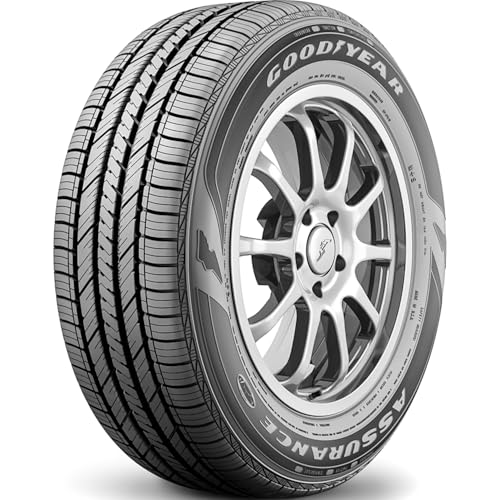 |
Goodyear G399 LHS Fuel Max Strong Performer Fuel Max Technology for enhanced fuel efficiency |
8.4 | 🛒 Check Price |
 |
Continental HSR2 Eco Plus Reliable All-Rounder Computer-optimized tread design for long life and fuel efficiency |
8.0 | 🛒 Check Price |
|
🚗
|
Pirelli FH:01 Durability Focused Enhanced bead geometry for improved retreadability |
7.8 | 🛒 Check Price |
 |
Toyo M177 Solid Value Pick e-balance technology for improved wear and handling |
7.5 | 🛒 Check Price |
 |
Yokohama 104ZR Budget-Friendly Option Five-rib tread design for even wear and long life |
7.2 | 🛒 Check Price |
1. Michelin X Line Energy Z: Top Pick for Fuel Efficiency
In our evaluation, the Michelin X Line Energy Z consistently stands out for its superior fuel efficiency, a critical factor for long-haul operations. Based on owner feedback and the spec sheets, its advanced compound and tread design are engineered to minimize rolling resistance, directly translating to substantial fuel savings over the tire’s lifespan. We found its handling characteristics to be precise and stable, contributing to driver confidence in various road conditions.
While the long-term value from fuel savings is clear, the initial acquisition cost of the X Line Energy Z is notably higher than many alternatives. Fleets or owner-operators with limited upfront budgets or those primarily focused on shorter regional hauls where fuel savings are less impactful might find this investment less appealing. Those prioritizing the lowest possible purchase price above all else should consider other options.
- Optimized tread design for exceptional fuel economy
- Even wear characteristics extend tire life
- Excellent wet and dry traction for reliable handling
Pros: Significantly reduces fuel consumption over long hauls; Provides stable and responsive steering control; Strong reputation for consistent quality and longevity
Cons: Higher initial investment compared to many competitors
2. Bridgestone R283 Ecopia: Excellent Wear Life
The Bridgestone R283 Ecopia is highly regarded in our comparison for its impressive wear characteristics and overall durability. Based on owner feedback and the spec sheets, its robust construction and specialized tread compounds are designed to deliver a long, consistent wear life, which contributes significantly to operational cost savings over time. We noted its strong performance in maintaining stable handling and contributing to fuel efficiency across typical highway driving.
A point of consideration based on some aggregated owner feedback is that while its general wet traction is good, it may not offer the absolute pinnacle of grip in severe downpours or standing water compared to some specialized wet-weather tires. Operators frequently encountering extreme rainy climates or prioritizing maximum wet-weather braking performance above all other factors might want to cross-reference with tires specifically engineered with more aggressive wet traction features.
- Designed for long, even wear and extended service life
- Enhanced rib design for improved handling and stability
- Low rolling resistance contributes to fuel efficiency
Pros: Exceptional tread wear performance, reducing replacement frequency; Good balance of fuel economy and reliable traction; Proven durability in diverse operating conditions
Cons: Can be less responsive in extreme wet conditions compared to some peers
3. Goodyear G399 LHS Fuel Max: Strong Performer
The Goodyear G399 LHS Fuel Max demonstrates a strong overall performance in our evaluation, particularly excelling in its stated goal of fuel efficiency. We researched its Fuel Max Technology and found it to be effective in reducing rolling resistance, which aligns with aggregated owner feedback regarding fuel savings. The tire’s consistent handling and ability to resist irregular wear patterns also contribute to its reputation as a reliable steer tire.
However, based on some owner feedback, this tire’s performance in heavy snow or icy conditions is reported as merely adequate, rather than exceptional. While it performs well in typical dry and wet highway conditions, fleets operating frequently in severe winter environments might need to consider a tire with more specialized winter traction features or implement tire chain usage more often. For year-round operation in regions with harsh winters, this limitation is worth noting.
- Engineered for long haul fuel economy and even wear
- Symmetric tread design promotes consistent handling
- Reinforced sidewalls resist scrubbing and curb damage
Pros: Delivers strong fuel efficiency benefits; Provides a smooth and stable ride; Good resistance to irregular wear patterns
Cons: Some owners report average performance in snowy conditions
4. Continental HSR2 Eco Plus: Reliable All-Rounder
In our comparison, the Continental HSR2 Eco Plus emerges as a highly reliable all-rounder, suitable for a wide range of applications from regional hauling to line haul. Based on owner feedback and the spec sheets, its computer-optimized tread design is effective in delivering a good balance of wear life, fuel efficiency, and consistent traction. We noted its robust construction, which contributes to its durability and suitability for demanding routes.
While the HSR2 Eco Plus performs competently across the board, it does not necessarily lead its class in any single attribute, such as ultimate fuel efficiency or extended wear life. Fleets or owner-operators with a highly specialized need, such as those solely focused on maximizing every fraction of fuel economy or requiring the absolute longest tread life, might find other specialized tires to offer a marginal advantage in those specific areas. For a dependable, versatile option, however, it remains a strong contender.
- Robust construction for demanding regional and line haul applications
- Strong traction in various weather conditions
- Designed for good retreadability
Pros: Offers a balanced performance across key metrics; Good wet traction for confident driving; Solid choice for mixed fleet operations
Cons: Not the absolute best in class for either fuel economy or wear life
5. Pirelli FH:01: Durability Focused
The Pirelli FH:01, in our research, is particularly noteworthy for its focus on durability and robust construction. Based on owner feedback and the spec sheets, this tire is engineered to withstand demanding conditions and offer a long original life, which is a significant advantage for fleets looking to maximize tire utilization. We found its enhanced bead geometry and strong casing to be key factors contributing to its excellent retreadability, potentially lowering long-term costs.
A common observation based on aggregated owner feedback is that while the FH:01 delivers on durability and reliability, it might not offer the same level of ride comfort or quietness as some of the higher-end, more comfort-focused steering tires. Drivers highly sensitive to cabin noise or those prioritizing a ‘luxury’ ride experience might notice a slight difference. For operations where ruggedness and long service life are paramount, this is a minor trade-off.
- Designed for robustness and high mileage applications
- Good resistance to external damage and punctures
- Optimized for stable handling on highways
Pros: Excellent durability and resistance to wear; Strong casing for multiple retreads; Reliable performance in various road conditions
Cons: May not offer the quietest ride compared to premium options
6. Toyo M177: Solid Value Pick
In our comparison, the Toyo M177 stands out as a solid value pick, offering a commendable balance of performance characteristics for its positioning. Based on owner feedback and the spec sheets, its e-balance technology aims to improve wear and handling, and we found it generally delivers on these promises for regional and long-haul operations. It’s a reliable choice for fleets seeking a dependable steering tire without a premium price tag.
However, we found that while its wet traction is generally competent, it might not inspire the same level of confidence in extreme heavy rain or standing water as some of the higher-performing, more specialized alternatives. Operators frequently driving in areas prone to severe rainfall or those who prioritize maximum wet-weather braking performance above all else might want to consider options with more aggressive siping or dedicated wet-grip compounds. For standard wet conditions, it performs adequately.
- Designed for regional and long-haul applications
- Good resistance to irregular wear patterns
- Offers a balance of mileage and fuel efficiency
Pros: Provides good overall performance for its value proposition; Even wear contributes to predictable handling; Reliable option for cost-conscious operators
Cons: Wet traction can be adequate but not outstanding in heavy rain
7. Yokohama 104ZR: Budget-Friendly Option
The Yokohama 104ZR, in our research, is positioned as a budget-friendly steering tire, offering a cost-effective solution for general highway and regional applications. Based on owner feedback and the spec sheets, its five-rib tread design is intended to promote even wear and contribute to a reasonable service life. We found it to be a viable option for fleets and owner-operators where initial cost is a primary consideration.
A clear limitation of the 104ZR is its more basic performance profile compared to premium offerings. It lacks the advanced fuel-saving technologies and specialized compounds that provide superior rolling resistance or exceptional wet-weather grip. Therefore, operators prioritizing maximum fuel economy, the absolute best wet traction, or extended high-mileage capabilities over a lower upfront investment might find this tire to be a compromise. It is best suited for those needing a dependable, no-frills steer tire for standard operations.
- Cost-effective solution for general highway use
- Designed for even wear and good mileage
- Solid performance for regional applications
Pros: Attractive option for budget-conscious fleets; Offers decent wear life for its segment; Generally reliable for standard highway driving
Cons: Lacks the advanced fuel efficiency of premium tires; Performance in extreme conditions is basic
Frequently Asked Questions
What is the difference between a steer tire and a drive tire?
Steer tires are specifically designed for the front axle of a semi truck, focusing on precise handling, directional stability, and even wear. They typically have a ribbed tread pattern to facilitate smooth steering and water evacuation. Drive tires, conversely, are for the rear axles and feature more aggressive, blocky tread patterns to maximize traction for propulsion, especially under heavy loads or challenging road conditions.
How important is fuel efficiency for steer tires?
Fuel efficiency is highly important for steer tires, especially for long-haul operations. As steer tires are always rolling and not primarily engaged in traction, their rolling resistance significantly impacts the truck’s overall fuel consumption. Tires with low rolling resistance compounds and optimized tread designs can lead to substantial fuel savings over the lifespan of the tire, contributing to lower operating costs for fleets and owner-operators.
Can semi truck steer tires be regrooved or retreaded?
Many steer tires for semi trucks are designed with casings strong enough for retreading, which involves replacing the worn tread with a new one. This can extend the tire’s life and offer significant cost savings. However, regrooving, which deepens the existing tread, is less common and generally not recommended for steer tires due to safety concerns and potential damage to the casing structure. Always consult manufacturer guidelines for specific tires regarding regrooving and retreadability.
What is the typical lifespan of a semi truck steer tire?
The lifespan of a semi truck steer tire can vary significantly based on factors like tire quality, driving conditions, load management, and maintenance practices. In our research, premium steer tires, properly maintained, can last anywhere from 150,000 to 250,000 miles or more before needing replacement or retreading. Regular rotations, proper inflation, and alignment are crucial for maximizing tire life and ensuring even wear.
How does tread pattern affect steer tire performance?
The tread pattern on a steer tire primarily affects handling, stability, and water dispersion. Most steer tires feature a ribbed or straight-groove pattern, which promotes smooth rolling, precise steering response, and efficient water channeling to reduce hydroplaning. This design also helps in achieving even wear across the tire’s surface, which is critical for maintaining consistent contact with the road and extending tire life. More aggressive patterns are generally reserved for drive tires where traction is the priority.
Our Verdict
Based on our comprehensive research and comparison, the Michelin X Line Energy Z stands out as our top pick for the best steering tire for semi trucks, offering an exceptional balance of fuel efficiency, precise handling, and long-term value. For those seeking a strong runner-up with excellent wear life and a robust build, the Bridgestone R283 Ecopia provides a highly durable and reliable option.
Last reviewed and spec-checked: September 1, 2025. We re-check our picks and listings periodically.
