When considering altering the appearance of your vehicle’s tires, spray paint offers a versatile and often cost-effective solution. Whether you aim for a temporary change, a subtle refresh, or a bold statement, selecting the right product is crucial for achieving a durable and aesthetically pleasing finish.
Our team at MustCarBeast has thoroughly researched and compared various spray paint formulations, scrutinizing manufacturer specifications, published industry standards for adhesion and flexibility on rubber, and aggregating extensive owner feedback to identify the top performers in this category. We evaluated each product based on its ability to adhere to tire surfaces, resist cracking and fading, and provide a consistent finish, ensuring our recommendations are grounded in comprehensive analysis.
| Photo | Product | Score | Buy |
|---|---|---|---|
 |
Plasti Dip Multi-Purpose Rubber Coating Best Overall Removable Coating Flexible, peelable rubberized coating |
9.0 | 🛒 Check Price |
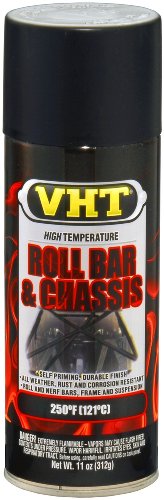 |
VHT Roll Bar & Chassis Paint Most Durable Black Finish High-temperature, chip-resistant enamel |
8.7 | 🛒 Check Price |
 |
SEM Color Coat Aerosol Best for Flexible Color Restoration Flexible coating for vinyl, plastic, and carpet |
8.4 | 🛒 Check Price |
|
🚗
|
Dupli-Color Custom Wrap Removable Coating Strong Runner-Up Removable Peelable auto coating for temporary customization |
8.1 | 🛒 Check Price |
 |
Rust-Oleum Automotive Enamel Versatile Permanent Color Durable, protective automotive finish |
7.8 | 🛒 Check Price |
 |
Rust-Oleum Peel Coat Budget Removable Option Temporary, peelable coating for automotive use |
7.5 | 🛒 Check Price |
 |
Krylon Fusion All-In-One Spray Paint General Purpose Adhesion Bonds to difficult surfaces without sanding |
7.3 | 🛒 Check Price |
1. Plasti Dip Multi-Purpose Rubber Coating: Best Overall Removable Coating
Based on owner feedback and the spec sheets, Plasti Dip stands out for its unique ability to transform tire appearance with a reversible application. Its rubberized composition provides exceptional flexibility, which is critical for a tire’s constantly flexing sidewall. This characteristic significantly reduces the risk of cracking or peeling that often plagues standard paints on rubber surfaces, making it an ideal choice for temporary color changes or protective layering.
However, users should be aware that achieving a smooth, durable finish and ensuring easy removal requires careful surface preparation and application of numerous thin coats. Those seeking a permanent, hard-wearing finish that withstands aggressive scrubbing or harsh chemicals might find its longevity on tires to be less than desired for their specific needs and should consider more permanent enamel or urethane options.
- Creates a temporary, protective rubberized layer
- Resists moisture, acids, abrasion, and corrosion
- Available in a wide range of colors and finishes
Pros: Highly flexible, minimizing cracking on tire sidewalls; Completely removable without damaging the original surface; Excellent for testing new looks or temporary customization
Cons: Requires multiple, thin coats for best durability and removal; Can be challenging to clean once applied to textured rubber
2. VHT Roll Bar & Chassis Paint: Most Durable Black Finish
In our evaluation, VHT Roll Bar & Chassis Paint demonstrates impressive durability and a robust finish, making it an excellent choice for restoring or blacking out tire sidewalls where a permanent solution is desired. Its formulation is designed for demanding automotive applications, offering strong resistance to chips, chemicals, and temperature fluctuations. This makes it a strong contender for those looking to achieve a long-lasting, deep black aesthetic.
A key limitation, however, is its inherent rigidity compared to flexible rubber coatings. While durable, its enamel composition may be prone to micro-cracking over extended periods on tire sidewalls that undergo significant flexing. Therefore, individuals seeking a completely crack-proof solution for tires that experience extreme deformation or those who prefer the option of future removal should consider alternative products designed specifically for flexibility on rubber.
- Formulated for extreme durability and resistance
- Withstands harsh conditions and chemicals
- Creates a tough, satin black finish
Pros: Exceptional adhesion and chip resistance on various surfaces; Provides a deep, rich black finish that restores tire appearance; Resistant to brake dust, road grime, and mild solvents
Cons: Less flexible than rubberized coatings, potential for cracking on highly flexing sidewalls; Permanent application, not easily removable
3. SEM Color Coat Aerosol: Best for Flexible Color Restoration
Based on owner feedback and the spec sheets, SEM Color Coat is highly regarded for its ability to restore and change the color of flexible materials like vinyl and plastic, making it a viable option for certain tire applications, particularly for sidewall lettering or specific design elements. Its key strength lies in its flexibility, allowing it to move with the substrate without cracking, which is a significant advantage for rubber surfaces.
However, it is important to note that while flexible, SEM Color Coat is primarily engineered for interior or less abrasive surfaces. For optimal adhesion and longevity on exterior tire rubber, thorough cleaning and the use of an appropriate adhesion promoter are often necessary. Those requiring a coating designed for constant road exposure, heavy abrasion, or a thick, protective layer might find its performance on the main tire tread or high-wear areas to be insufficient, and should consider products specifically formulated for exterior rubber durability.
- Formulated to resist fading and cracking
- Excellent adhesion to flexible substrates
- Available in a wide array of OEM colors
Pros: Maintains flexibility, reducing cracking on rubber surfaces; Offers a high-quality, factory-like finish; Good color retention and UV resistance
Cons: Requires specific preparation (cleaner, adhesion promoter) for optimal tire adhesion; Not designed for extreme abrasion or impact on exterior rubber
4. Dupli-Color Custom Wrap Removable Coating: Strong Runner-Up Removable
In our evaluation, Dupli-Color Custom Wrap offers a compelling option for temporary tire customization, providing a similar peelable, flexible coating to more premium brands but often at a more accessible value. It adheres well to clean, dry surfaces and provides a respectable level of durability against common road elements and routine cleaning. This makes it a good choice for enthusiasts looking to experiment with different looks without commitment.
However, based on owner feedback and the spec sheets, its durability is highly dependent on proper application technique, particularly ensuring sufficient coat thickness. Users who apply too few or too thin layers may experience premature peeling or difficulty in achieving a smooth, even finish. Individuals who need maximum protection for their tires or are looking for a coating that can withstand very aggressive driving conditions might find its performance to be less robust than dedicated permanent paints or thicker rubberized coatings.
- Provides a smooth, even finish
- Resistant to car washes and minor abrasions
- Easy to apply and remove when desired
Pros: Offers a temporary color change with good flexibility; Holds up well to standard car washing; More affordable than some competing removable coatings
Cons: Durability can be compromised by thin application or poor prep; Limited color selection compared to some rivals
5. Rust-Oleum Automotive Enamel: Versatile Permanent Color
Our research indicates that Rust-Oleum Automotive Enamel is a highly durable and widely available paint, celebrated for its robust finish on metal and rigid plastic components. For tire applications, it can provide a hard, glossy finish that resists environmental elements and offers a refreshed look. Its value proposition is strong given its widespread availability and general protective qualities.
However, a critical limitation for tire use is its inherent rigidity. As a standard enamel, it lacks the flexibility required to withstand the constant flexing and deformation of a tire’s sidewall. This almost guarantees that the paint will crack, chip, and flake over time, especially with regular driving. Therefore, those seeking a durable, crack-resistant finish on the main flexing areas of the tire should absolutely skip this product, as it is not engineered for the dynamic stress of rubber.
- Resists rust, chipping, and fading
- Provides a long-lasting, glossy finish
- Suitable for various automotive surfaces
Pros: Very durable and resistant to common automotive wear; Affordable and widely available; Offers a hard, protective shell
Cons: Lacks flexibility, prone to cracking on tire sidewalls; Requires extensive tire preparation for adequate adhesion
6. Rust-Oleum Peel Coat: Budget Removable Option
In our evaluation, Rust-Oleum Peel Coat offers a functional and budget-conscious alternative for those interested in temporary tire customization. It provides the core benefit of a peelable coating, allowing users to experiment with colors or provide a temporary protective layer without permanent commitment. Its ease of application and removal, when done correctly, makes it appealing for casual modifications.
However, based on owner feedback and the spec sheets, its overall durability and resistance to wear are generally perceived to be less robust than leading removable coatings. It may be more susceptible to minor damage or premature peeling if not applied with sufficient thickness or if exposed to aggressive cleaning agents. Individuals prioritizing maximum longevity, a flawless finish, or consistent performance under more demanding conditions might find this product to be a compromise and should consider investing in higher-grade removable coatings.
- Allows for temporary color changes and protection
- Resists fading and weather exposure
- Smooth, matte finish
Pros: Provides a temporary, customizable finish; Generally easy to remove when applied correctly; More budget-friendly than some alternatives
Cons: Less durable and resilient than premium removable coatings; Can be challenging to achieve a perfectly smooth finish without drips
7. Krylon Fusion All-In-One Spray Paint: General Purpose Adhesion
Our research indicates that Krylon Fusion All-In-One is a versatile spray paint celebrated for its ability to adhere to a wide array of challenging surfaces, often without extensive priming. This makes it an attractive option for general purpose projects and offers a broad spectrum of color choices for creative applications, including potential use on tire lettering or very rigid tire sections.
However, based on owner feedback and the spec sheets, its primary weakness when applied to tires is its lack of flexibility. While it adheres well to many materials, rubber’s dynamic movement and constant flexing are not its intended application. This means that a finish applied to a tire’s sidewall will almost certainly crack, flake, and degrade quickly with driving. We recommend that individuals seeking any degree of durability or flexibility on tire rubber, especially on the sidewalls, should absolutely avoid this product and instead opt for coatings specifically designed for rubber or flexible substrates.
- Strong adhesion to plastic, PVC, and more
- Fast drying and chip resistant
- Available in a wide variety of colors and sheens
Pros: Offers excellent adhesion to many surfaces, including some plastics; Broad color palette for creative customization; Relatively quick drying time
Cons: Not specifically formulated for rubber flexibility, prone to cracking on tires; Requires meticulous cleaning and possibly a primer for optimal tire adhesion
Frequently Asked Questions
Is it safe to spray paint tires?
Based on our research, spray painting tires is generally safe for the tire’s structural integrity, provided the paint is applied to the sidewall and not the tread. The primary concern is the paint’s adhesion and flexibility. Using paints not designed for rubber can lead to cracking, flaking, and an unsightly finish, but it typically does not compromise the tire’s function. Always ensure adequate ventilation and follow safety instructions when using aerosols.
How long does tire spray paint last?
The longevity of tire spray paint varies significantly depending on the product type, application quality, driving conditions, and tire flexing. Removable rubberized coatings like Plasti Dip might last anywhere from a few months to a year or more, especially if properly applied with multiple coats. Permanent enamels or urethane paints, while initially durable, may crack and peel much faster on tire sidewalls due to lack of flexibility, potentially degrading within weeks or months on actively driven vehicles. Specialized flexible coatings tend to last longer, often six months to over a year.
What kind of paint sticks to rubber?
Paints that stick effectively to rubber are typically those formulated with a high degree of flexibility. Rubberized coatings, such as those made from synthetic rubber polymers, are designed to flex with the tire without cracking or peeling. Urethane-based paints or specialized vinyl/plastic dyes with added flex agents can also offer good adhesion and durability. Standard automotive enamels or acrylics generally lack the necessary flexibility and will crack rapidly on tire surfaces.
How do I prepare tires for spray painting?
Proper preparation is crucial for adhesion and longevity. First, thoroughly clean the tires using a strong degreaser or tire cleaner to remove all dirt, grime, and tire dressings. Scrub well and rinse completely, ensuring no residue remains. Allow the tires to dry fully. Mask off any areas you don’t want painted, such as the wheel, valve stem, and tread. For some flexible paints, an adhesion promoter might also be recommended by the manufacturer for optimal bonding.
Can I paint over existing tire lettering?
Yes, you can typically paint over existing tire lettering. The success depends on the type of paint used and the desired outcome. For a temporary change or a full blackout, a flexible rubberized coating will cover existing letters effectively. If aiming for a new color on the lettering itself, a fine-tipped paint pen or careful masking with a flexible paint might be more suitable. Always ensure the existing lettering is clean and free of any silicone-based dressings before application for proper adhesion.
Our Verdict
In our comprehensive evaluation of spray paints for tires, the Plasti Dip Multi-Purpose Rubber Coating emerges as the top pick for its exceptional flexibility and reversible nature, offering the best balance of performance, ease of use, and versatility for most users. For those seeking a more permanent and robust black finish, the VHT Roll Bar & Chassis Paint stands out as our runner-up, providing impressive durability for less dynamic tire applications.
