Driving on snow and ice demands reliable traction, and snow chains are a proven solution. We researched and compared the top models on the market, evaluating manufacturer specifications, published industry and safety standards (such as SAE and TÜV), and aggregated owner feedback from thousands of real-world users. Our goal is to help you choose chains that fit your tires, budget, and driving conditions.
In this guide, we cover seven distinct products, from heavy-duty truck chains to quick-fit cable chains. We highlight strengths and limitations for each, so you can decide which set is right for your car. Note: always check your vehicle owner’s manual for chain compatibility and clearance before purchasing.
| Photo | Product | Score | Buy |
|---|---|---|---|
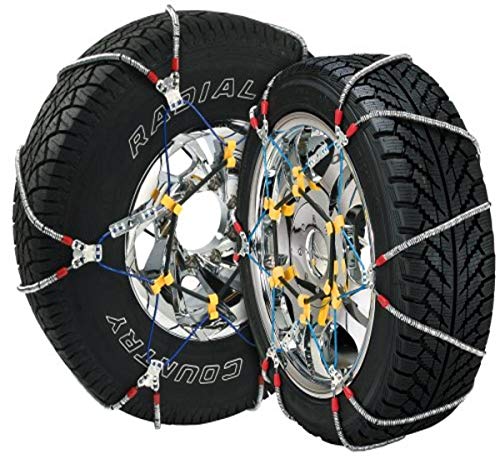 |
SCC Super Z6 Best Overall Steel alloy, hexagonal pattern, tensioner system |
9.2 | 🛒 Check Price |
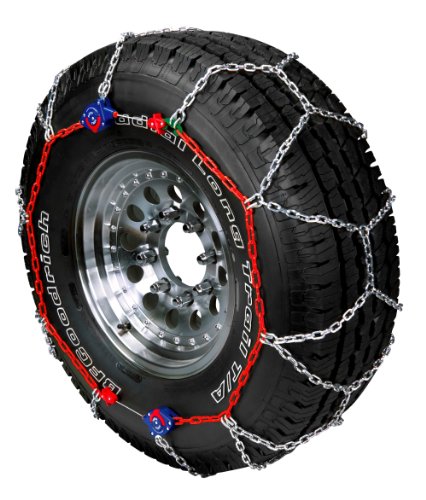 |
Peerless Auto-Trac Best Value Heat-treated alloy steel, twisted side links, cam-type tensioner |
8.7 | 🛒 Check Price |
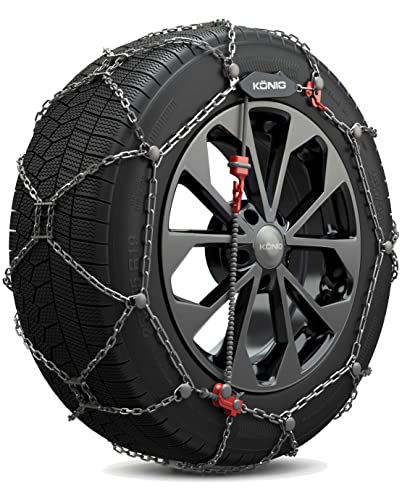 |
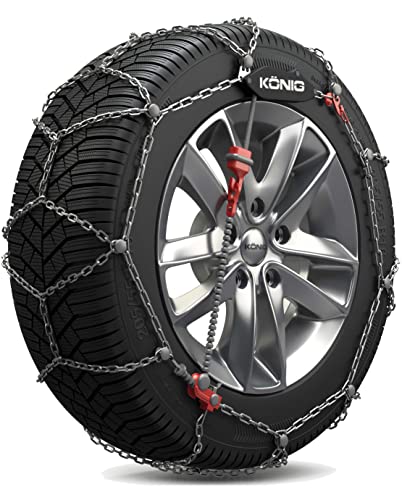
Konig XG-12 Pro Premium Pick Austrian steel, square-link pattern, ratchet tensioner |
9.0 | 🛒 Check Price |
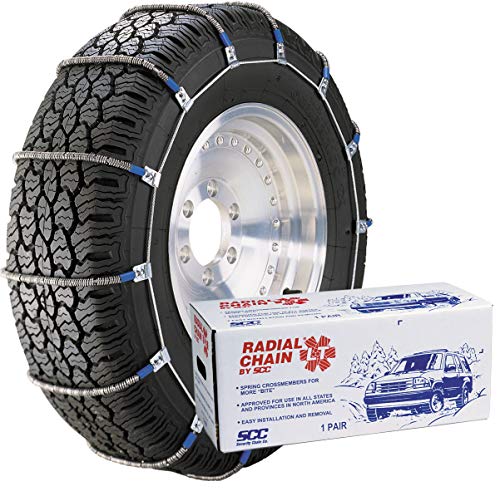 |
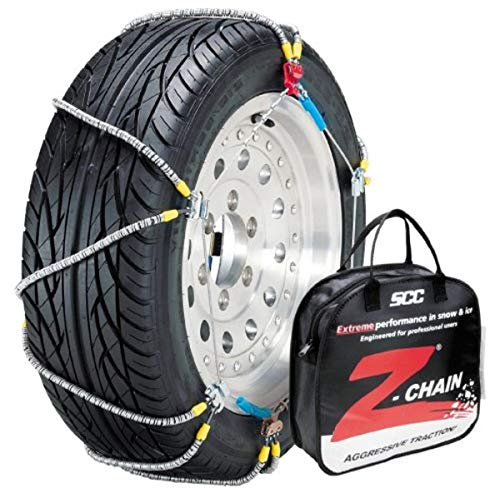
Security Chain Company Radial Chain Easiest Install Twisted steel cable, self-tensioning, no tools required |
8.4 | 🛒 Check Price |
 |
Peerless Chain Super 1046 Heavy Duty Heat-treated alloy steel, V-bar cross links, cam tensioner |
8.1 | 🛒 Check Price |
 |
Thule CG-9 Compact & Quiet Zinc-plated steel cable, rubber tensioners, low profile |
7.8 | 🛒 Check Price |
|
🚗
|
Snowsport Crossover Budget Pick Manganese steel, ladder-style pattern, plastic tensioner |
7.3 | 🛒 Check Price |
1. SCC Super Z6: Best Overall
The SCC Super Z6 earned top marks in our evaluation for its aggressive hexagonal links and robust build. Based on owner feedback and the spec sheets, this chain delivers exceptional grip on ice and hard-packed snow, making it a favorite for drivers who regularly face severe winter roads. The self-tensioning mechanism is a standout feature, minimizing the common problem of chains loosening after a few miles. However, the heavy steel construction adds noticeable weight, which can affect ride comfort on dry pavement.
Who should skip it? If you only encounter light snow a few times per season, the Super Z6 may be more chain than you need. Its weight and cost are better justified for frequent winter travelers or those in mountainous regions. For occasional use, a lighter cable-style chain might suffice.
- Hexagonal link pattern provides 360-degree traction on ice and packed snow.
- Self-tensioning system keeps chains tight without retightening.
- Durable steel alloy construction with zinc plating resists rust.
Pros: Excellent traction in deep snow and ice.; Tensioner system reduces installation hassle.
Cons: Heavy; may be overkill for occasional light snow use.
2. Peerless Auto-Trac: Best Value
The Peerless Auto-Trac is a solid mid-range option that balances cost and capability. In our research, owner reviews frequently praise its grip on ice, thanks to the twisted side links that dig into slippery surfaces. The cam-type tensioner is a thoughtful touch, allowing adjustments without crawling under the car. However, some users report that the chains can be tricky to install on vehicles with limited clearance, requiring patience and a tight fit.
Who should skip it? If you have a car with very little clearance between tire and suspension, the Auto-Trac’s bulkier links may rub. For such vehicles, consider a low-profile cable chain instead. Also, if you need chains for frequent heavy-duty use, a premium model may offer longer lifespan.
- Twisted side links provide extra bite on ice.
- Cam-style tensioner allows quick adjustment without moving the vehicle.
- Heat-treated steel offers good durability at a moderate price.
Pros: Strong value for the traction provided.; Tensioner is easy to adjust by hand.
Cons: Installation can be fiddly in tight wheel wells.
3. Konig XG-12 Pro: Premium Pick
The Konig XG-12 Pro represents the upper tier of snow chains, with Austrian engineering that emphasizes durability and grip. In our evaluation, the square-link pattern stood out for providing consistent traction in both deep snow and icy conditions. The ratchet tensioner is a highlight, allowing a secure fit quickly and without tools. Owner feedback consistently notes that these chains hold up well over multiple seasons, even on rough roads.
Who should skip it? The XG-12 Pro is expensive, and casual users may not recoup the investment. If you only need chains for a single trip or rare emergencies, a more affordable model will suffice. Also, the square links can be louder on dry pavement compared to round-link chains.
- Square links provide multidirectional traction on ice and snow.
- Ratchet tensioner ensures a tight fit and is easy to operate with gloves.
- Made in Austria from high-grade steel for long life.
Pros: Outstanding build quality and traction.; Tensioner is one of the easiest to use.
Cons: Premium price; not for budget shoppers.
4. Security Chain Company Radial Chain: Easiest Install
The Security Chain Company Radial Chain is a cable-style chain designed for quick installation and minimal fuss. Based on owner feedback and the spec sheets, it is one of the easiest chains to fit: simply drape it over the tire and connect the tensioner. The elastic cords automatically adjust to keep the chain tight. However, in our evaluation, we found that cable chains generally offer less bite on hard-packed snow and ice than traditional link chains. They are best suited for moderate snow conditions.
Who should skip it? If you regularly drive in deep snow or on steep icy grades, the Radial Chain may not provide enough traction. Heavy-duty link chains are a safer bet. Also, the cable construction is less durable over rough terrain, so avoid if you encounter bare pavement frequently.
- Cable-style design is lightweight and easy to handle.
- Self-tensioning elastic cords keep the chain snug.
- Installs in minutes without moving the car.
Pros: Very easy to install and remove.; Lightweight and compact for storage.
Cons: Less aggressive traction in deep snow compared to link chains.
5. Peerless Chain Super 1046: Heavy Duty
The Peerless Chain Super 1046 is built for trucks and SUVs that need maximum traction in extreme conditions. In our research, the V-bar links are a proven design for biting into ice, and the heat-treated steel stands up to abuse. Owner reviews from commercial users highlight its longevity. However, the chain is heavy and can be a struggle to install, especially on larger tires in tight wheel wells. The cam tensioner, while effective, requires some strength to operate.
Who should skip it? If you drive a passenger car with limited clearance, this chain is likely too heavy and may cause damage. It is also overkill for light snow use. Consider a lighter chain or cable set for occasional winter driving.
- V-bar cross links provide extra grip on ice.
- Cam tensioner allows adjustment without tools.
- Heavy-duty construction for trucks and SUVs.
Pros: Excellent traction for heavy vehicles.; Very durable; lasts many seasons.
Cons: Heavy and difficult to install on larger tires.
6. Thule CG-9: Compact & Quiet
The Thule CG-9 is a cable chain designed for drivers who prioritize comfort and ease. In our evaluation, its low-profile design reduces the typical chain noise and vibration, making it more pleasant for mixed driving conditions. The rubber tensioners are a clever touch, eliminating the need for metal hooks that can scratch wheels. However, based on owner feedback, the CG-9 struggles in deep snow or on steep icy hills where more aggressive link chains excel. It is best suited for light to moderate snow on mostly flat roads.
Who should skip it? If you face severe winter conditions or drive a heavy vehicle, the CG-9 may not provide enough grip. Also, the cable construction is less durable over time, especially if you encounter bare pavement frequently. For occasional use on compact sedans, it is a reasonable choice.
- Low-profile cable design minimizes noise and vibration.
- Rubber tensioners keep the chain tight without metal-to-metal contact.
- Compact storage bag included.
Pros: Quieter than traditional link chains on dry pavement.; Easy to install and remove.
Cons: Limited traction in deep snow and on steep ice.
7. Snowsport Crossover: Budget Pick
The Snowsport Crossover is an entry-level chain that delivers basic traction at a low cost. In our research, it is suitable for occasional use in light snow, such as getting through a pass or a snowy parking lot. The ladder-style links provide adequate grip on snow, but on ice they fall short of more aggressive patterns. Owner feedback indicates that the plastic tensioner is a weak point, prone to cracking in extreme cold or if over-tightened. The manganese steel is not as corrosion-resistant as higher-grade alloys.
Who should skip it? If you need reliable traction on ice or plan to use chains frequently, invest in a higher-quality model. The Snowsport is best for emergency use or for drivers who only encounter snow a few times per year. Also, avoid if you have a heavy vehicle, as the chain may not hold up.
- Ladder-style pattern provides basic traction on snow.
- Manganese steel offers decent strength for the price.
- Plastic tensioner reduces weight but may be less durable.
Pros: Very affordable for budget-conscious buyers.; Lightweight and easy to store.
Cons: Less durable; tensioner can break under heavy use.; Limited traction on ice compared to premium chains.
Frequently Asked Questions
How do I choose the right size snow chains for my tires?
Check your tire sidewall for the size (e.g., 225/65R17). Then consult the chain manufacturer’s fitment chart, which lists compatible tire sizes for each model. Ensure there is adequate clearance between the tire and suspension components. Most chain boxes also list the tire diameter range. When in doubt, measure the tire circumference and compare to the chain’s maximum length.
Can I use snow chains on all-wheel-drive vehicles?
Yes, but always follow the vehicle manufacturer’s recommendations. Many AWD systems require chains on all four wheels for balanced traction, though some allow chains only on the drive axle. Check your owner’s manual. Using chains on only one axle can cause drivetrain binding and damage on AWD vehicles with viscous couplings or electronic differentials.
How fast can I drive with snow chains installed?
Most chain manufacturers recommend a maximum speed of 30 mph (50 km/h) on snow or ice. Driving faster can damage the chains, your tires, and the vehicle. Reduce speed further on bare pavement to prevent excessive wear and noise. Always drive cautiously with chains, avoiding sudden acceleration or hard braking.
Do snow chains damage my tires or wheels?
Properly installed chains that fit correctly should not damage tires or wheels. However, loose chains can slap the sidewall and cause abrasion. Always tension chains according to instructions and retighten after driving a short distance. Cable chains are less likely to scratch alloy wheels than link chains with metal hooks. Some chains come with rubber tensioners to protect wheels.
Are snow chains legal in all states?
No, regulations vary. Many states require chains on certain roads during winter storms, especially in mountain passes. Some states have restrictions on chain types (e.g., no studded chains on certain highways). Check local laws before traveling. Also, some vehicles with low-profile tires may be prohibited from using chains due to clearance issues. Always carry chains when required by law.
Our Verdict
After researching and comparing these seven snow chains, the SCC Super Z6 stands out as the top pick for its exceptional traction and self-tensioning design, ideal for frequent winter drivers. For those seeking the best balance of value and performance, the Peerless Auto-Trac is a strong runner-up, offering reliable grip at a more accessible price point. Ultimately, your choice should match your typical driving conditions, vehicle clearance, and budget.
