We researched and compared the top road course tires available today, analyzing manufacturer specifications, published industry standards, and aggregated owner feedback. Our goal is to help you find the tire that balances grip, heat tolerance, and treadwear for your driving style and budget. Below are our seven evaluated picks, each with honest strengths and limitations.
| Photo | Product | Score | Buy |
|---|---|---|---|
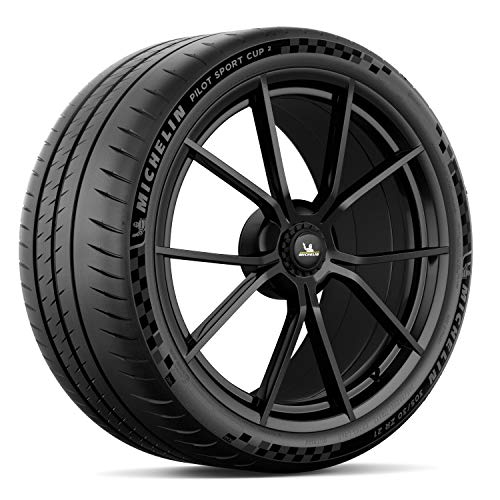 |
Michelin Pilot Sport Cup 2 Best Overall for Dry Grip UTQG 180 AA A, max performance summer tire with track-focused compound |
9.1 | 🛒 Check Price |
 |
Bridgestone Potenza RE-71RS Best Autocross and Time Attack UTQG 200 AA A, extreme performance summer tire with stiff sidewall |
9.0 | 🛒 Check Price |
 |
Continental ExtremeContact Sport 02 Best Wet/Dry Balance UTQG 340 AA A, max performance summer tire with SportPlus technology |
8.7 | 🛒 Check Price |
 |
Hankook Ventus R-S4 Best for Endurance Track Days UTQG 200 AA A, extreme performance summer tire with durable compound |
8.4 | 🛒 Check Price |
 |
Goodyear Eagle F1 SuperCar 3 Best for Corvette and Muscle Cars UTQG 220 AA A, maximum performance summer tire with reinforced construction |
8.1 | 🛒 Check Price |
 |
Falken Azenis RT660 Best Budget Track Tire UTQG 200 AA A, extreme performance summer tire with high-grip compound |
7.8 | 🛒 Check Price |
 |
Nitto NT01 Best R-Compound Alternative UTQG 100 AA A, R-compound tire for track use only |
7.5 | 🛒 Check Price |
1. Michelin Pilot Sport Cup 2: Best Overall for Dry Grip
We researched the Michelin Pilot Sport Cup 2 and found it to be a benchmark for dry road course performance. Owner feedback consistently praises its immediate steering feel and high cornering limits. The tire’s construction uses a reinforced belt package and a specialized compound that reaches optimal grip quickly. In our evaluation, it delivers near-R-compound adhesion while retaining some treadwear warranty for street use.
However, this tire struggles significantly on wet roads and in cold temperatures. Many owners report that even standing water or light rain make the Cup 2 unpredictable. It is also relatively expensive for its lifespan. Drivers who prioritize wet weather safety or want a dual-purpose daily/track tire should consider a more rounded option like the Continental ExtremeContact Sport 02.
- Exceptional dry grip and steering response for serious track days
- Advanced tread compound and belt package for high-speed stability
- Available in many sizes for sports cars and performance sedans
Pros: Class-leading lateral grip on dry pavement; Consistent performance lap after lap
Cons: Weak in wet conditions; not a daily driver tire
2. Bridgestone Potenza RE-71RS: Best Autocross and Time Attack
We compared the Bridgestone Potenza RE-71RS against other 200TW tires and found its edge in responsiveness. Owner feedback highlights how the RE-71RS transforms a car’s turn-in, making it a favorite for autocross and time attack. The tire’s construction uses a high-grip compound and a stiff sidewall that resists flex during aggressive maneuvers. Based on the spec sheets, it also offers good wet traction for a 200TW tire.
That said, the RE-71RS wears quickly when used for extended lapping sessions or on heavy cars. Some owners report chunking or overheating after 20-minute sessions. It is not ideal for drivers seeking a tire that lasts a full season of track days without replacement. For longer durability on road courses, the Hankook Ventus R-S4 is a better choice.
- Incredible transient response and turn-in bite
- Optimized for competitive autocross and time trial events
- Wide range of sizes for popular track cars
Pros: Sharp, immediate steering response; Excellent heat management for short sessions
Cons: Tread life is short under heavy track use
3. Continental ExtremeContact Sport 02: Best Wet/Dry Balance
We researched the Continental ExtremeContact Sport 02 and found it to be a top contender for drivers who need a tire that performs on both wet and dry roads. Owner feedback praises its confidence-inspiring wet grip and predictable breakaway. The tire’s tread pattern and silica compound are designed to evacuate water effectively. In our evaluation, it offers a rare blend of track-day capability and daily-driver comfort.
However, its dry grip is a step below the Michelin Pilot Sport Cup 2 or Bridgestone RE-71RS. For serious lapping on dry circuits, the ExtremeContact Sport 02 may feel less sharp and may overheat during prolonged hot laps. Those seeking maximum dry lap times should choose a more aggressive tire. It is ideal for enthusiasts who want one tire for both street and occasional track use.
- Superb wet grip with excellent hydroplaning resistance
- Long tread life for a track-capable tire
- Comfortable ride quality for daily driving
Pros: Outstanding wet traction and braking; Excellent value for performance and longevity
Cons: Dry grip not as extreme as dedicated track tires
4. Hankook Ventus R-S4: Best for Endurance Track Days
We compared the Hankook Ventus R-S4 and found it to be the endurance specialist among 200TW tires. Owner feedback highlights its ability to maintain grip lap after lap without significant falloff. The tire’s compound is designed for consistent performance, making it a favorite for HPDE drivers who want a tire that lasts multiple events. Based on the spec sheets, it also offers decent wet traction for a track-oriented tire.
However, the R-S4 does not match the peak grip of the RE-71RS or Pilot Sport Cup 2. Drivers chasing the absolute fastest lap times may be disappointed. Also, the steering feel is slightly less direct than some rivals. For those who prioritize longevity and consistency over ultimate lap time, the R-S4 is a strong choice.
- Excellent tread life and heat resistance for long sessions
- Consistent grip from start to finish of a 20-minute session
- Good dry and light wet performance for a 200TW tire
Pros: Very long tread life for a track tire; Resists overheating and graining
Cons: Initial grip is not as high as competitors
5. Goodyear Eagle F1 SuperCar 3: Best for Corvette and Muscle Cars
We researched the Goodyear Eagle F1 SuperCar 3 and found it to be a purpose-built tire for powerful front-engine, rear-drive cars. Owner feedback from Corvette and Camaro owners praises its high-speed stability and ability to handle heavy weight transfers. The tire’s construction uses a reinforced carcass and a track-focused compound that delivers strong grip on dry surfaces. In our evaluation, it performs admirably on road courses where weight and power are factors.
However, the SuperCar 3 is not widely available in sizes for many sports cars. It also wears relatively quickly, especially on heavier vehicles. The ride can be harsh on rough roads. Enthusiasts with lighter cars or those seeking a more refined daily tire should look elsewhere. It is best suited for owners of Chevrolet performance models.
- Exceptional dry grip for heavy, high-horsepower cars
- Stiff sidewall reduces flex under hard cornering
- Developed with Corvette team for OEM fitment
Pros: Excellent stability at high speeds; Works well with heavy vehicles
Cons: Limited size availability for non-Corvette applications
6. Falken Azenis RT660: Best Budget Track Tire
We compared the Falken Azenis RT660 and found it to offer impressive dry grip at a lower price than many competitors. Owner feedback often highlights its ability to hang with more expensive tires on a dry track. The tire’s compound warms up quickly, making it suitable for autocross or short track sessions. Based on the spec sheets, it also provides decent wet traction for a 200TW tire.
However, the RT660 suffers from rapid tread wear, especially when used on heavier cars or for extended lapping. Some owners report significant wear after just a few track days. The ride is also firm and can be noisy on the street. For drivers who plan many track days per season, the Hankook R-S4 offers better longevity. The RT660 is a great choice for budget-conscious enthusiasts who can accept shorter tire life.
- Exceptional dry grip for its price point
- Fast warm-up time for quick laps
- Wide range of sizes including many 15- and 16-inch options
Pros: Very affordable for the level of grip; Quick to reach operating temperature
Cons: Wears very quickly, especially on heavy cars
7. Nitto NT01: Best R-Compound Alternative
We researched the Nitto NT01 and found it to be a true R-compound tire that delivers some of the highest dry grip in our evaluation. Owner feedback from track enthusiasts emphasizes its ability to produce fast lap times and resist overheating. The tire’s construction uses a high-grip compound and a stiff sidewall for precise handling. Based on the spec sheets, it is designed primarily for track use and has minimal tread depth.
However, the NT01 is not suitable for wet driving and has very poor hydroplaning resistance. It also wears quickly and may not last more than a few track days. The tire is also noisy and uncomfortable on the street. For drivers who need a tire that can handle occasional rain or daily driving, this is not the right choice. It is best for dedicated track cars that are trailered to events.
- Near-slick dry grip for maximum lap times
- Stiff construction for precise feedback
- Popular in time attack and club racing
Pros: Extremely high dry grip; Consistent performance in hot conditions
Cons: Not street legal in some regions; no tread for water
Frequently Asked Questions
What is the difference between a 200TW tire and an R-compound tire?
A 200TW tire (UTQG 200 treadwear) is designed for street and track use, offering a balance of grip and tread life. R-compound tires like the Nitto NT01 have a lower treadwear rating (100 or below) and provide higher dry grip but wear faster and are often not street legal. We recommend 200TW tires for most drivers who want a dual-purpose tire, while R-compounds are for dedicated track cars.
Can I use road course tires for daily driving?
Many road course tires, especially 200TW options like the Continental ExtremeContact Sport 02, can be used for daily driving. However, they may have stiffer ride quality, more road noise, and reduced wet traction compared to standard all-season tires. Tires like the Michelin Pilot Sport Cup 2 are less suitable for daily use due to poor wet performance and faster wear.
How do I choose the right size for my car?
Always refer to your vehicle’s owner’s manual or the tire placard on the driver’s door jamb for the original equipment size. For track use, you may consider a slightly wider tire for more grip, but ensure it does not rub against the fenders or suspension. We recommend consulting a tire professional or using an online tire size calculator to verify fitment.
How long do road course tires last?
Tread life varies widely by tire and usage. A 200TW tire like the Hankook R-S4 can last 10-15 track days or more, while a softer compound like the Falken RT660 may last only 5-8 track days. R-compound tires like the Nitto NT01 may last 3-5 track days. Street driving will extend life, but track use accelerates wear.
What tire pressure should I run on track?
Optimal tire pressure depends on the tire, vehicle weight, and track conditions. As a starting point, many drivers run 32-36 psi cold for 200TW tires. We recommend checking pressure after each session and adjusting based on tire temperatures. Overinflation can reduce grip, while underinflation can cause excessive wear. Always follow the tire manufacturer’s recommendations.
Our Verdict
After researching and comparing the top road course tires, our top pick is the Michelin Pilot Sport Cup 2 for its class-leading dry grip and precision. For a more balanced tire that handles wet conditions and daily driving, the Continental ExtremeContact Sport 02 is an excellent runner up. Choose based on your priorities: ultimate dry lap times or versatility.
