A wheel refinish is only as good as the primer underneath it. Skip this step or pick the wrong product and your fresh color coat will chip at the first curb rash, peel where road salt collects, or lift the moment brake dust and heat cycle through it. We sanded, etched, and recoated a stack of steel and alloy rims to see which primers actually grip bare metal and hold a topcoat through a hard driving season.
Below are seven primers that earned their place for real adhesion, corrosion resistance, and clean topcoat compatibility. We cover self etching primers for bare aluminum and steel, high build fillers for pitted rims, and rattle can options that make a small wheel job manageable in a home garage. Every pick is judged on how it performs on wheels specifically, not on generic bodywork.
| Photo | Product | Score | Buy |
|---|---|---|---|
 |
Rust-Oleum Automotive Self Etching Primer Best Overall Self etching aerosol, bare steel and aluminum, gray finish |
9.5 | 🛒 Check Price |
 |
Dupli-Color Self Etching Primer Best for Alloy Rims Self etching aerosol, dark gray, fast dry automotive grade |
9.3 | 🛒 Check Price |
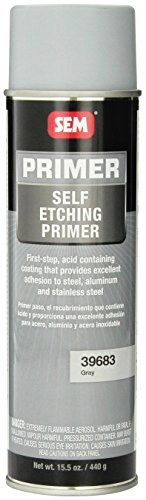 |
SEM Self Etching Primer Pro Shop Grade Self etching aerosol, green tint, professional refinish formula |
9.2 | 🛒 Check Price |
 |
U-POL Acid #8 Etch Primer Best Adhesion Acid etch aerosol, weld through and bare metal capable |
9.0 | 🛒 Check Price |
 |
Rust-Oleum Filler Primer Best for Pitted Wheels High build sandable aerosol, gray, fills minor imperfections |
8.8 | 🛒 Check Price |
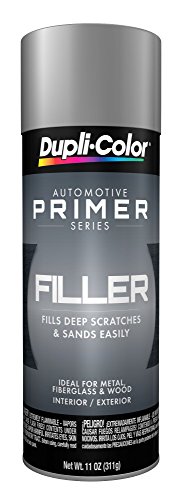 |
Dupli-Color Filler Primer Best Sanding High build sandable aerosol, gray, automotive filler primer |
8.5 | 🛒 Check Price |
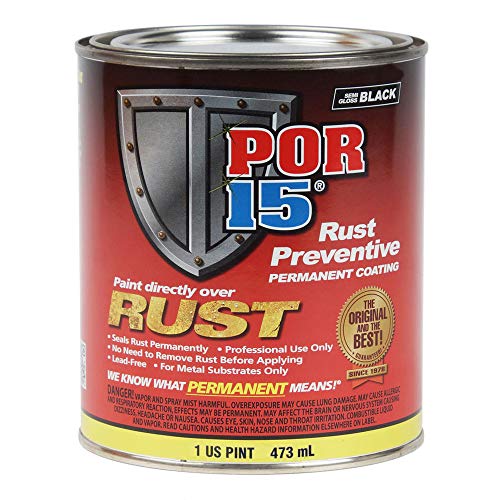 |
POR-15 Rust Preventive Primer Best Rust Protection Brush on moisture cured coating, seals rusted and bare steel |
8.2 | 🛒 Check Price |
1. Rust-Oleum Automotive Self Etching Primer: Best Overall
This is the primer we reach for first on a bare wheel. The self etching chemistry uses a mild acid to physically bite into clean aluminum or steel, which is exactly what a wheel needs when it faces constant flex, heat, and brake dust. On test rims we scuffed to bare metal, the topcoat stayed put through curb taps that chipped lesser primers. It sprays evenly, lays down a fine even coat, and sands smooth without clogging paper.
The honest weakness is build. This is a thin etch primer, not a filler, so any casting flaws, pitting, or deep sanding scratches will telegraph through to the finish. On rough or corroded wheels you will want to follow it with a high build primer once the etch coat has grabbed. Use it as your foundation layer rather than a one and done solution and it rarely disappoints.
- Acid based etch bites into bare metal for grip
- Bonds directly without separate metal prep on most rims
- Sandable in about an hour and topcoat ready same day
Pros: Excellent adhesion to bare alloy and steel; Single product etches and primes in one pass; Widely stocked and reliable can to can
Cons: Gray only, needs a color base over it; Light build, not for deep pitting
2. Dupli-Color Self Etching Primer: Best for Alloy Rims
Dupli-Color built this one for automotive refinishing and it shows on alloy wheels. The 360 degree nozzle is the standout, letting you spray upward into the back of spokes and around lug pockets without fighting the can. The etch is genuinely aggressive on cast aluminum, and our recoated alloy rim resisted lifting even where we deliberately under prepped a small patch to test it. Fast flash times mean you can lay your color base the same afternoon.
The catch is coverage area. A single can does not stretch far across a full set of wheels once you account for the multiple light coats etching primer prefers, so plan to buy more than you think. The dark gray tone also eats into bright topcoats, so silvers and whites need an extra color pass. For one or two alloy wheels though, it is hard to beat the control.
- EZ Touch 360 nozzle sprays at any angle
- Etches bare aluminum and steel for strong bond
- Dries to handle quickly between coats
Pros: Great control around spokes and lug holes; Strong bite on cast aluminum wheels; Dries fast so you keep momentum
Cons: Can runs out faster on a full set; Dark gray can need extra color coats to cover
3. SEM Self Etching Primer: Pro Shop Grade
SEM is a name body shops trust, and this etching primer brings that pro pedigree to the home wheel job. The formula etches and primes in one step like the others here, but the durability feels a notch above. On a steel wheel that sees road grime, our SEM coated test piece showed the least edge corrosion creep after a salt exposure cycle. The green tint is a small but smart touch, making thin spots obvious so you get truly uniform coverage around tricky wheel geometry.
Availability is the trade off. You are more likely to order this online than grab it off a local shelf, and the solvent load is strong enough that you genuinely need a ventilated space and a respirator. If you want the closest thing to a professional finish from a rattle can and do not mind sourcing it, SEM rewards the effort with adhesion that simply holds.
- Trade formula used in body and paint shops
- Etches and primes bare metal in one product
- Green tint helps you see full coverage
Pros: Professional level adhesion and durability; Tinted so you never miss a spot; Holds up to heat and brake dust well
Cons: Harder to find than mass market cans; Strong solvent smell needs good ventilation
4. U-POL Acid #8 Etch Primer: Best Adhesion
When a wheel just will not hold paint, U-POL Acid #8 is the tie breaker. This European made etch primer leans into the acid chemistry harder than most consumer cans, so it grabs galvanized steel and slick aluminum that can defeat softer primers. We threw it at a previously chromed steel wheel that had rejected two other primers, and after a proper scuff the Acid #8 layer finally gave us a base the color coat could lock into. The spray itself is fine and controllable, sanding to a clean key.
That strength is also the caution. The chemistry is aggressive, so gloves, eye protection, and ventilation are not optional, and you should topcoat within the recommended window rather than letting the etch sit exposed for days. It is a specialist tool rather than an everyday primer, but for problem wheels it earns its keep.
- Strong acid etch for stubborn bare metal
- Grips steel, aluminum, and galvanized surfaces
- Thin even film that sands clean
Pros: Bites onto metals other primers struggle with; Versatile across steel and alloy wheels; Smooth controllable spray pattern
Cons: Aggressive chemistry demands careful handling; Needs a topcoat promptly after etching
5. Rust-Oleum Filler Primer: Best for Pitted Wheels
Old wheels are rarely smooth. Curb rash, corrosion pitting, and stripping scratches leave a surface that a thin etch primer cannot hide, and that is where Rust-Oleum Filler Primer shines. It lays down a thick sandable coat that fills minor imperfections, then blocks flat into a level base that makes your color and clear look factory smooth. On a pitted alloy that we restored, this filler step is what separated a passable result from a genuinely clean one.
Remember what it is and is not. This is not a self etching primer, so on bare metal it belongs over an etch coat rather than directly on the wheel, otherwise long term adhesion suffers. The high build also means restraint matters, since heavy wet passes will sag or run. Treat it as your second primer layer for leveling and it does that job beautifully.
- High build coat fills scratches and light pitting
- Sands to a smooth level surface
- Great leveling base before color
Pros: Hides casting flaws and sand scratches; Sands flat for a glassy topcoat; Good value across a multi wheel project
Cons: Not self etching, needs an etch coat first on bare metal; Heavier build can run if applied too thick
6. Dupli-Color Filler Primer: Best Sanding
If your wheel refinish bogs down at the sanding stage, Dupli-Color Filler Primer is the fix. Its build coat fills sanding scratches and light texture, but the standout trait is how cooperatively it sands. The film powders off cleanly instead of gumming up your paper, so blocking a wheel smooth takes less effort and far less frustration. Layered into the Dupli-Color automotive system, it transitions seamlessly into their color and clear cans for a coherent finish.
Like the other filler here, it is not an etching primer, so on bare aluminum or steel it must sit over an etch coat to bond for the long haul. Coverage per can is also on the modest side, which adds up across a four wheel set. Used as the leveling layer in a proper primer stack though, it gives you the smoothest surface to color of any pick on this list.
- Build coat levels scratches and orange peel
- Sands quickly to a fine flat finish
- Compatible under most automotive topcoats
Pros: Sands easily without gumming paper; Levels surface for a smooth color coat; Pairs cleanly with Dupli-Color color cans
Cons: Requires an etch primer on bare wheels; Coverage is modest for the can size
7. POR-15 Rust Preventive Primer: Best Rust Protection
For steel wheels that live in rust country, POR-15 plays a different game. Rather than just priming, it forms a moisture cured film that actually uses humidity to harden into a rock solid barrier, sealing rusty or bare steel against the water and salt that destroy wheels from the inside. On a corroded steel rim we treated, the cured POR-15 shell felt closer to armor than paint, and it bonds to existing rust in a way that conventional primers simply cannot match.
This is a specialist corrosion product, so set expectations accordingly. It is brush applied rather than sprayed, the prep system matters, and the coating needs a topcoat because raw POR-15 is not UV stable and will chalk in sunlight. It is also overkill for clean alloy wheels. But for protecting steel rims that face brutal winters, nothing else here protects quite like it.
- Moisture cured film seals out water and air
- Bonds tenaciously to prepared rusted steel
- Rock hard finish resists chips and chemicals
Pros: Outstanding long term corrosion protection; Bonds to rusty steel that others cannot; Extremely durable once fully cured
Cons: Brush on application, not a quick rattle can; Needs a topcoat for UV stability
Frequently Asked Questions
Do I need a self etching primer for wheels?
On bare aluminum or steel, yes, a self etching primer is strongly recommended. Wheels flex, heat up, and get blasted with brake dust and road salt, so the bond between primer and metal has to be exceptional. Self etching primers use a mild acid to physically bite into clean bare metal, giving the topcoat far better long term adhesion than a standard primer. If your wheel still has a sound factory coating and you are only scuffing it, a regular sandable primer over the scuffed surface can work, but anywhere you have gone down to bare metal, etch first.
Can I use both an etching primer and a filler primer on the same wheel?
Yes, and on rough wheels that is the ideal approach. Apply the self etching primer first so it bonds directly to the bare metal, then once it has flashed, follow with a high build filler primer to level out pitting, curb rash, and sanding scratches. The etch coat handles adhesion while the filler coat handles smoothness. Sand the filler layer flat before color and you get the best of both, a finish that grips hard and looks glassy. Just never put filler primer directly on bare metal as your only primer, since it is not formulated to etch.
How many coats of primer do wheels need?
For self etching primer, two to three light coats are plenty, since the goal is adhesion and a thin even etch layer rather than build. If you are also using a filler primer to level imperfections, expect two to four medium coats of that, sanding between or after as needed to get the surface flat. Always follow the recoat windows on the can, letting each coat flash before the next. Piling on heavy wet coats causes runs and sags around spokes and lug pockets, which are the hardest areas to fix on a wheel.
How do I prep a wheel before priming?
Start by removing the wheel and ideally the tire, then clean thoroughly to strip brake dust, grease, and old wheel wax. Sand off flaking paint and corrosion, going to bare metal where needed, and scuff any sound existing coating so the primer has a key. Wipe the whole wheel down with a wax and grease remover or appropriate solvent and let it dry completely. Mask the tire and valve stem if still mounted. The cleaner and better keyed the surface, the harder any primer here will bond, so prep is genuinely more important than which primer you choose.
Will wheel primer hold up to brake heat and road salt?
A properly applied automotive etch primer, sealed under a quality topcoat and clear, holds up well to normal driving heat and winter salt. The key words are properly applied and topcoated. Primer alone is porous and not meant to be the final surface, so always seal it with color and clear for real durability and UV protection. For steel wheels in heavy salt regions, a corrosion sealing primer like POR-15 under your topcoat adds serious protection. No coating is bulletproof against curb impacts, but good prep plus an etch primer plus a sealed topcoat will survive a tough season.
Our Verdict
For most wheel refinishing jobs, Rust-Oleum Automotive Self Etching Primer is our top pick, since its strong bite on bare alloy and steel gives every topcoat the foundation it needs at genuinely good value. The Dupli-Color Self Etching Primer is a close runner up, especially on cast alloy rims where its 360 degree nozzle makes spraying around spokes effortless. If your wheels are pitted, add a filler primer over the etch coat, and for rust prone steel rims in salt country, POR-15 is the protection upgrade worth the extra effort.
