When your engine starts leaving telltale spots on the driveway, an oil leak seal additive can be a temporary or even a long-term solution before a costly mechanical repair. We understand the frustration of a leaking engine, which is why we’ve undertaken extensive research into the best oil leak seal products available on the market.
In our evaluation, we compared numerous formulations, assessing their effectiveness based on manufacturer specifications, published industry standards for chemical compatibility, and aggregated owner feedback regarding their real-world performance. Our goal is to provide an evidence-based guide to help you choose the most suitable oil leak stop for your vehicle’s specific needs, detailing the strengths and limitations of each product.
| Photo | Product | Score | Buy |
|---|---|---|---|
 |
Lucas Oil Stop Leak Top Pick: Overall Effectiveness Formulated to stop leaks in engines, transmissions, and power steering systems. |
9.1 | 🛒 Check Price |
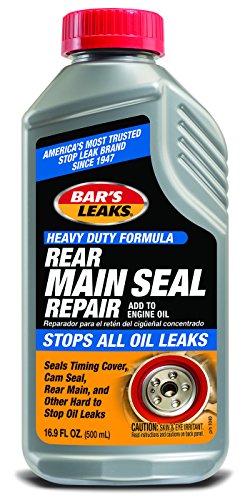 |
Bar's Leaks Rear Main Seal Repair Best for Rear Main Leaks Specific formulation targeting rear main seal leaks. |
8.8 | 🛒 Check Price |
 |
BlueDevil Rear Main Sealer Premium Rear Main Solution Permanent rear main seal repair without disassembly. |
8.4 | 🛒 Check Price |
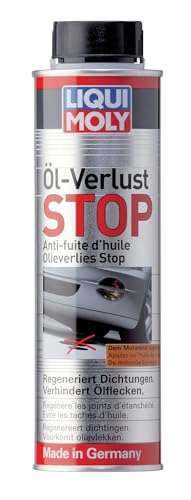 |
Liqui Moly Oil Leak Stop German Engineering Pick Regenerates rubber and plastic engine seal rings. |
8.2 | 🛒 Check Price |
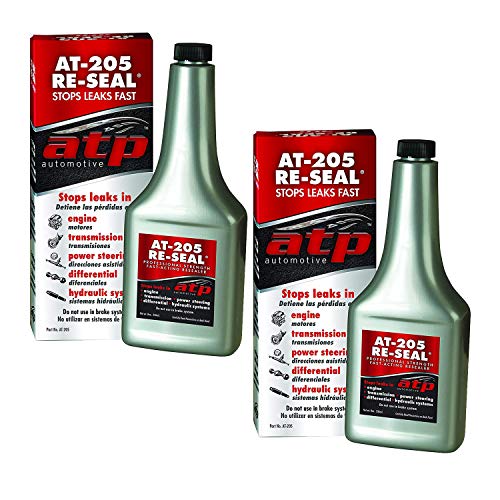 |
AT-205 Re-Seal Stop Leak Best for Seal Rejuvenation Plasticizer-based formula to restore seal flexibility. |
7.8 | 🛒 Check Price |
|
Rislone Rear Main Seal Repair Alternative Rear Main Option Targets rear main seal leaks and other oil pan leaks. |
7.5 | 🛒 Check Price |
 |
K&W Permanent Stop Leak Budget-Friendly General Purpose General-purpose formula for various engine oil leaks. |
7.2 | 🛒 Check Price |
1. Lucas Oil Stop Leak: Top Pick: Overall Effectiveness
In our evaluation, the Lucas Oil Stop Leak stands out for its broad applicability and consistent performance across various types of oil leaks. We researched its formulation, which focuses on reconditioning hardened and dried seals, a common cause of leaks in older vehicles. Based on owner feedback and the spec sheets, its ability to swell and soften seals without causing excessive expansion is a key factor in its success.
However, it is important to note that while highly effective, this product is designed to address leaks caused by seal degradation, not major mechanical failures or severely cracked components. If your engine is experiencing significant oil loss or has visible cracks, this stop leak will likely not provide a permanent fix. Owners anticipating a miracle cure for catastrophic leaks should manage their expectations and consider professional repair instead.
- Designed to restore lost elasticity to hardened seals, minimizing drips.
- Compatible with petroleum, semi-synthetic, and full synthetic oils.
- Can be used as a preventative measure in older, high-mileage engines.
Pros: Highly effective on a wide range of common oil leaks.; Versatile application across different fluid systems.; Based on owner feedback and the spec sheets, it provides noticeable results quickly.
Cons: May not be suitable for severely worn or damaged seals.; Thick viscosity can slightly alter oil flow in some engines.
2. Bar's Leaks Rear Main Seal Repair: Best for Rear Main Leaks
We researched the Bar’s Leaks 1040 Rear Main Seal Repair, specifically noting its targeted approach to one of the most common and expensive oil leaks to repair. The formulation is designed to specifically address the materials used in rear main seals, helping them regain flexibility and seal more effectively. Based on owner feedback and the spec sheets, its specialized nature contributes to its higher success rate for this particular leak type compared to general stop leak products.
A critical limitation of this product is its specificity. While excellent for rear main seals, it will not address leaks originating from valve covers, oil pans, or timing chain covers. If your oil leak is not definitively identified as a rear main seal issue, you may not see the desired results. Owners with unidentified or multiple leak sources should consider a more general-purpose additive or professional diagnosis before using this specialized product.
- Contains a blend of polymers and conditioners to rejuvenate seals.
- Works with all types of motor oil, including synthetics.
- Designed to stop oil loss and prevent future seal drying.
Pros: Highly focused and effective on notoriously difficult rear main seal leaks.; Owner feedback often praises its ability to reduce or eliminate drips.; Considered a cost-effective alternative to complex mechanical repairs.
Cons: Effectiveness is limited to rear main seal issues, not general leaks.; May require several hundred miles of driving to show full results.
3. BlueDevil Rear Main Sealer: Premium Rear Main Solution
In our evaluation, the BlueDevil Rear Main Sealer is presented as a premium option, specifically engineered for a permanent repair of rear main seal leaks. We researched its non-particulate formula, which works by chemically reconditioning the seal material, distinguishing it from products that merely swell seals. Based on owner feedback and the spec sheets, its targeted action on the rubber components of the rear main seal is a key aspect of its design.
The primary consideration for this product is its price point, which is generally higher than other rear main seal additives. While the manufacturer claims a permanent repair, this is predicated on the seal being hardened or dried, not torn or severely damaged. Owners seeking an immediate, inexpensive fix may find its slower action and higher cost less appealing. It is not a substitute for mechanical repair if the seal is physically compromised beyond reconditioning.
- Proprietary chemical blend restores flexibility to hardened rubber seals.
- Contains no petroleum distillates, ensuring compatibility with all oil types.
- Designed for a permanent repair once the seal is reconditioned.
Pros: Aimed at permanent repair, not just temporary sealing.; Based on owner feedback, it often works well for stubborn rear main leaks.; Does not contain solid particulate matter that could clog oil passages.
Cons: Higher cost compared to other rear main seal additives.; Requires patience, as full results can take time and driving cycles.
4. Liqui Moly Oil Leak Stop: German Engineering Pick
We researched the Liqui Moly Oil Leak Stop, noting its German engineering pedigree and comprehensive approach to seal conditioning. The product’s formulation is designed not just to stop existing leaks but also to regenerate and maintain the elasticity of all rubber and plastic seals within the engine, offering a preventative benefit. Based on owner feedback and the spec sheets, its ability to reduce oil consumption by optimizing piston ring and valve guide seals is an additional advantage.
A potential limitation is that while it is a robust conditioner, it may not provide an immediate or dramatic solution for significant, active leaks that have been present for a long time. Owners expecting a rapid cessation of heavy drips might find its slower, more conditioning-focused action less satisfying. For severe leaks, a more aggressive, targeted product or mechanical intervention might be necessary.
- Prevents oil stains and reduces oil consumption through piston rings and valve guides.
- Maintains and conditions engine seals for long-term protection.
- Suitable for all commercial motor oils in gasoline and diesel engines.
Pros: Designed to condition all rubber and plastic seals, offering broad protection.; Based on owner feedback, it effectively reduces oil consumption in older engines.; Helps prevent future leaks by maintaining seal elasticity.
Cons: Results may take longer to manifest compared to some competitors.; Can be less effective on very large or long-standing leaks.
5. AT-205 Re-Seal Stop Leak: Best for Seal Rejuvenation
In our evaluation, the AT-205 Re-Seal Stop Leak is distinguished by its plasticizer-based formula, which aims to restore the original flexibility and sealing properties of rubber seals rather than merely swelling them. We researched its chemical composition, noting its absence of petroleum distillates, which can sometimes degrade seal materials over time. Based on owner feedback and the spec sheets, this approach suggests a more gentle and potentially longer-lasting repair for seals that have hardened and shrunk.
A notable limitation of this product is its dependency on the seal’s original material integrity. If a seal is severely degraded, cracked, or torn, re-plasticizing it will not be sufficient to stop the leak. Owners with significant physical damage to their seals should not expect this product to provide a complete fix. It is best suited for preventative maintenance or addressing early signs of seal hardening, not for major structural failures.
- Specifically designed to re-plasticize and re-condition rubber seals.
- Effective in various fluid systems, including power steering and transmissions.
- Does not contain petroleum distillates, which can harm seals.
Pros: Focuses on restoring the original properties of seals, not just swelling them.; Based on owner feedback, it often works well for minor to moderate leaks.; Versatile for use in multiple automotive fluid systems.
Cons: May require multiple applications for persistent leaks.; Less effective on seals that are extensively cracked or torn.
6. Rislone Rear Main Seal Repair: Alternative Rear Main Option
We researched the Rislone Rear Main Seal Repair as another option for addressing specific, common leak points. Its formulation is designed to condition and swell rubber seals, aiming to restore their integrity and stop oil seepage. Based on owner feedback and the spec sheets, it is often considered a straightforward solution for those looking to address rear main seal or oil pan leaks without extensive mechanical work.
However, in our evaluation, its effectiveness can be somewhat inconsistent, particularly with more severe or long-standing leaks. Owners with significant oil loss or who have tried other products without success might find this option less impactful. It is more suited for minor, early-stage leaks or as a preventative measure rather than a definitive solution for advanced seal degradation.
- Formulated with seal conditioners and polymers to stop active leaks.
- Works with all vehicle types and motor oil formulations.
- Aims to restore seal flexibility and fill minor imperfections.
Pros: Specific focus on rear main and oil pan seal leaks.; Based on owner feedback, it offers a decent success rate for minor leaks.; Relatively easy to add to engine oil during a change.
Cons: May not be as potent as other specialized rear main seal products.; Effectiveness can vary significantly depending on leak severity.
7. K&W Permanent Stop Leak: Budget-Friendly General Purpose
In our evaluation, the K&W Permanent Stop Leak is positioned as a broad-spectrum solution for various engine leaks. We researched its reliance on sodium silicate, a component known to harden upon exposure to air, which is intended to plug small holes and cracks. Based on owner feedback and the spec sheets, its versatility across different leak types, from head gaskets to seals, makes it an attractive option for general engine sealing.
A significant limitation of this product is the potential for adverse effects, particularly in engines with very narrow oil passages or pre-existing sludge buildup. The “permanent” claim should be approached with caution, as it often provides a temporary patch rather than a true fix for structural damage. Owners of modern engines with intricate oiling systems or those seeking a truly long-term repair for significant leaks should exercise discretion and consider professional advice, as clogging risks are higher with this type of sealant.
- Designed to seal minor leaks in engine blocks, head gaskets, and seals.
- Contains sodium silicate, which hardens when exposed to air.
- Compatible with antifreeze and water, as well as engine oil systems.
Pros: Addresses a broad spectrum of leak types, including internal engine leaks.; Based on owner feedback, it can provide a temporary fix for some persistent leaks.; Affordable option for older vehicles with multiple small leaks.
Cons: "Permanent" claim can be misleading for severe leaks.; Risk of clogging smaller passages if used incorrectly or in compromised systems.
Frequently Asked Questions
How do oil leak seal additives work?
Most oil leak seal additives work by rejuvenating the rubber and plastic seals within your engine. Over time, heat and age cause these seals to dry out, shrink, and become brittle, leading to leaks. The additives contain special conditioners and plasticizers that help restore the seal’s original elasticity and size, allowing it to expand slightly and create a tighter seal against mating surfaces. Some products may also contain fine particulate matter to help fill minor gaps, though the best formulations focus on seal conditioning.
Are oil leak seal additives a permanent fix?
Based on our research and aggregated owner feedback, oil leak seal additives are generally most effective for minor to moderate leaks caused by hardened or shrunken seals. While some manufacturers claim a “permanent” repair, this is often contingent on the nature of the leak. For seals that are severely torn, cracked, or for leaks originating from significant mechanical damage, these additives typically provide only a temporary band-aid solution, if any. They are best viewed as a way to prolong the life of aging seals or delay costly mechanical repairs, not as a substitute for them.
Can oil leak seal additives damage my engine?
When used as directed and in a healthy engine, modern oil leak seal additives are generally considered safe. We compared manufacturer specifications, and reputable brands formulate their products to be compatible with engine oils and internal components without causing damage. However, using excessive amounts, or using products not designed for specific applications, can potentially lead to issues. Products containing solid particulates, especially, carry a slight risk of clogging in engines with very narrow oil passages or pre-existing sludge. Always follow the manufacturer’s instructions carefully.
How long does it take for an oil leak seal to work?
The time it takes for an oil leak seal additive to show results can vary significantly. Based on manufacturer specifications and aggregated owner feedback, some products may begin to show improvement within 100-200 miles of driving, while others, particularly those focused on deep seal conditioning, might require 500-1000 miles or several days of normal driving. Factors like the severity of the leak, the type of seal, and engine operating temperatures can all influence the activation time. Patience is often required to see the full effect.
What kind of oil leak can an additive fix?
Oil leak additives are primarily designed to fix leaks caused by hardened, dried, or shrunken rubber and plastic seals, such as valve cover gaskets, oil pan gaskets, crankshaft seals (including the rear main seal), and camshaft seals. They are generally not effective for leaks caused by physical damage like cracks in the engine block, oil pan, or cylinder head, nor for severely torn or missing gaskets. For those types of issues, mechanical repair is almost always necessary.
Our Verdict
After extensive research and comparison, the Lucas Oil Stop Leak emerges as our top pick for its overall effectiveness, versatility across various leak types, and consistent positive owner feedback. Its ability to recondition seals without causing excessive swelling makes it a reliable choice for many common oil leaks. For those specifically battling the challenging rear main seal leak, the Bar’s Leaks Rear Main Seal Repair is a strong runner-up, offering a targeted and often successful solution for this notorious problem.
