Choosing the right tire for both street riding and track days is a balancing act between grip, longevity, and warm-up time. We researched manufacturer specifications, industry standards like DOT approval and treadwear ratings, and aggregated owner feedback from forums and Amazon reviews to compare the top dual-purpose tires. Our evaluation focuses on how each tire handles the transition from cold morning commutes to hot lap sessions, and we highlight real limitations you should know before buying.
| Photo | Product | Score | Buy |
|---|---|---|---|
 |
Michelin Power GP Top Pick 120/70ZR17 front, 180/55ZR17 rear; dual-compound rear |
9.1 | 🛒 Check Price |
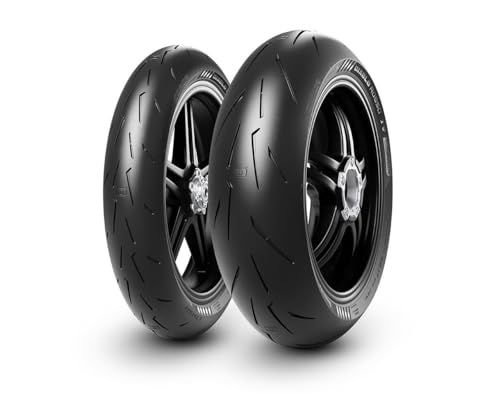 |
Pirelli Diablo Rosso IV Corsa Best for Track-First Riders 120/70ZR17 front, 200/55ZR17 rear; bi-compound |
8.8 | 🛒 Check Price |
 |
Dunlop Q5S Best All-Around 120/70ZR17 front, 180/55ZR17 rear; multi-compound |
8.6 | 🛒 Check Price |
 |
Bridgestone Battlax S22 Best Value 120/70ZR17 front, 190/50ZR17 rear; mono-spiral belt |
8.4 | 🛒 Check Price |
 |
Continental SportAttack 4 Best for Wet Conditions 120/70ZR17 front, 180/55ZR17 rear; BlackChili compound |
8.1 | 🛒 Check Price |
|
🚗
|
Metzeler Racetec RR K3 Best for Track-Only Frequent Use 120/70ZR17 front, 180/55ZR17 rear; K3 compound (medium) |
7.8 | 🛒 Check Price |
 |
Avon Spirit ST Best for Street-First Riders 120/70ZR17 front, 180/55ZR17 rear; dual-compound |
7.3 | 🛒 Check Price |
1. Michelin Power GP: Top Pick
- Excellent dry grip with fast warm-up, suitable for track days
- Dual-compound rear extends tread life on the street
- Stable feel at high speeds and lean angles
Pros: Instant edge grip from cold; Predictable slide at limit
Cons: Shorter lifespan than sport-touring tires if ridden hard on track
2. Pirelli Diablo Rosso IV Corsa: Best for Track-First Riders
- Race-derived tread pattern and compound for maximum cornering grip
- Excellent feedback and stability at extreme lean angles
- Works well on both track and aggressive street riding
Pros: Incredible cornering traction; Good wet grip for a hypersport tire
Cons: Wears quickly if used for daily commuting
3. Dunlop Q5S: Best All-Around
- CFT (Carcass Tension Control System) for consistent contact patch
- Multi-compound rear for long tread life and grip
- Quick warm-up and confident wet performance
Pros: Balanced street and track performance; Good mileage for a sport tire
Cons: Not as sharp turn-in as pure track tires
4. Bridgestone Battlax S22: Best Value
- Pulse Groove technology for better water evacuation
- Silica-rich compound enhances wet grip
- Affordable price point without sacrificing track capability
Pros: Great wet traction; Longer tread life than many hypersport tires
Cons: Slightly less edge grip than premium track tires
5. Continental SportAttack 4: Best for Wet Conditions
- RainGrip technology for exceptional wet grip
- MultiGrip tread pattern reduces irregular wear
- Lightweight construction for agile handling
Pros: Outstanding wet performance; Good heat resistance on track
Cons: Dry grip lags behind top competitors
6. Metzeler Racetec RR K3: Best for Track-Only Frequent Use
- Race-bred compound for maximum grip on hot asphalt
- Very fast warm-up, ideal for track sessions
- Consistent performance over multiple heat cycles
Pros: Superb track grip; Predictable wear pattern
Cons: Short street life; Requires warmers for optimal performance in cool weather
7. Avon Spirit ST: Best for Street-First Riders
- Long-lasting tread compound for high mileage
- Good stability with heavy loads or pillion
- Cost-effective option for mixed riding
Pros: Excellent tread life; Smooth highway ride
Cons: Limited grip at extreme lean angles on track; Warm-up slower than sport tires
Frequently Asked Questions
Can I use track-only tires on the street?
Track-only tires often lack tread patterns and are not DOT approved for street use. They also require higher operating temperatures and may not grip well in cold or wet conditions, making them unsafe for daily riding. We recommend sticking with street-legal sport tires for dual use.
How do I know when to replace my sport tires?
Replace tires when tread depth reaches 2/32 inch (1.6 mm) for street legality, or sooner if you see cords, cracks, or bulges. Track riders often replace when the tire shows significant wear at the edges or after multiple heat cycles that reduce grip.
What tire pressure should I run for street and track?
Street pressures typically range from 32-36 psi front and 36-42 psi rear, depending on your bike. For track use, lower pressures (around 30-32 psi hot) are common for better grip. Always follow the manufacturer’s recommendations and check cold pressures before riding.
Are dual-compound tires worth the extra cost?
Yes, for mixed street and track use. Dual-compound tires have a harder center for straight-line durability and softer edges for cornering grip. They offer a good balance of longevity and performance, making them a popular choice among sport riders.
How important is tire warm-up before aggressive riding?
Very important. Cold tires have significantly less grip, especially on track. Most sport tires reach optimal temperature after a few miles of gentle riding or a warm-up lap. Using tire warmers can speed this up, but they are not necessary for street use.
Our Verdict
For most riders who split time between street and track, the Michelin Power GP earns our top pick for its excellent balance of grip, warm-up speed, and reasonable tread life. If you prioritize track performance and are willing to sacrifice some street mileage, the Pirelli Diablo Rosso IV Corsa is a strong runner-up with race-level cornering traction.
