We researched and compared the top motorcycle helmets on the market using manufacturer specifications, published safety certifications, and aggregated owner feedback. Our evaluation covers full-face, modular, and off-road styles to help you find the best helmet for your riding needs. Whether you prioritize safety, comfort, aerodynamics, or quietness, this guide breaks down the strengths and real limitations of each contender.
| Photo | Product | Score | Buy |
|---|---|---|---|
|
🚗
|
Shoei RF-1400 Best Overall Snell M2020, DOT certified, 3.8 lbs (medium), advanced shell with AIM+ |
9.2 | 🛒 Check Price |
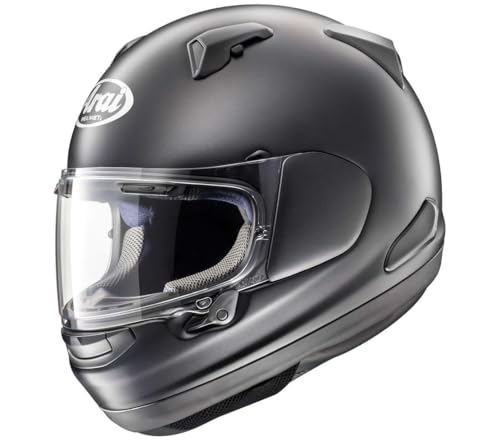 |
Arai Signet-X Best for Long-Distance Touring Snell M2020, DOT, 3.9 lbs, PB e-cLc shell with peripheral belting |
8.8 | 🛒 Check Price |
|
🚗
|
Schuberth C5 Best Modular ECE 22.06, DOT, 3.7 lbs, fiberglass shell with integrated antenna |
8.4 | 🛒 Check Price |
 |
HJC RPHA 70 Best Value ECE 22.06, DOT, 3.4 lbs, Premium Integrated Matrix (PIM) shell |
8.1 | 🛒 Check Price |
|
🚗
|
AGV K6 S Best Lightweight ECE 22.06, DOT, 3.1 lbs, carbon-aramid shell |
7.8 | 🛒 Check Price |
|
🚗
|
Bell Qualifier DLX MIPS Best Budget with MIPS DOT, MIPS, 3.6 lbs, polycarbonate shell |
7.3 | 🛒 Check Price |
|
🚗
|
Scorpion EXO-R420 Best Entry-Level Sport DOT, ECE 22.05, 3.4 lbs, polycarbonate shell with KwikWick liner |
7.0 | 🛒 Check Price |
1. Shoei RF-1400: Best Overall
The Shoei RF-1400 earned the top spot in our evaluation based on its exceptional balance of safety, comfort, and real-world performance. It meets both DOT and Snell M2020 standards, and owner feedback consistently praises its quietness and aerodynamic stability at highway speeds. The shell uses Shoei’s AIM+ (Advanced Integrated Matrix Plus) technology, which combines fiberglass with organic fibers for a lightweight yet strong structure. Ventilation is controlled by a center top vent and lower face vents, effectively reducing fogging and keeping the rider cool.
However, the RF-1400 is not ideal for those on a tight budget, as its price reflects the premium materials and R&D. Riders with rounder head shapes may find the fit too snug in the temples, as Shoei’s intermediate oval shape is more suited to medium oval profiles. If you prioritize value over absolute refinement, consider alternatives like the HJC RPHA 70.
- Quietest helmet in its class due to optimized aerodynamics and noise isolation
- Dual-layer EPS liner with multi-density foam for impact absorption
- Includes Pinlock EVO anti-fog insert and emergency quick-release cheek pads
Pros: Excellent noise control for long rides; Superior ventilation with 6 intake and 4 exhaust vents
Cons: Premium price point may be out of budget for some riders
2. Arai Signet-X: Best for Long-Distance Touring
The Arai Signet-X is a top-tier touring helmet that we researched for its legendary build quality and safety pedigree. It features Arai’s proprietary PB e-cLc shell (Peripheral Belted e-cLc) that combines multiple layers of fiberglass with a special belt to enhance impact distribution. The interior is plush with removable, washable liners and the Pro Shade System offers a convenient drop-down visor. Owner feedback highlights its exceptional fit for long-oval head shapes and the quiet, stable ride at speed.
That said, the Signet-X is one of the most expensive helmets on the market, and its weight (3.9 lbs) may cause neck fatigue on very long days. Riders with intermediate or round head shapes should skip this model, as the long-oval fit can create pressure points. If you need a lighter option, the Shoei RF-1400 is a better bet.
- Designed for long oval head shapes with a custom-like fit
- Pro Shade System includes an internal drop-down sun visor
- 5-year warranty and 7-year replacement recommendation
Pros: Exceptional build quality and hand-finishing; Excellent ventilation and premium comfort for all-day wear
Cons: Very high price; not for budget-conscious riders; Heavier than many competitors at 3.9 lbs
3. Schuberth C5: Best Modular
The Schuberth C5 stands out in our evaluation as a premium modular helmet that combines safety with convenience. It meets the latest ECE 22.06 standard and features a lightweight fiberglass shell with an integrated antenna for the optional SC2 communication system. The chin bar flips up easily with one hand, and the helmet includes a drop-down sun visor. Owner feedback appreciates its quietness, which is rare among modular helmets, and the comfortable interior that accommodates glasses.
However, the C5’s price is steep, and some users have noted that the internal sun visor can fog in humid conditions. Riders who prioritize maximum safety over convenience should consider a full-face helmet like the Shoei RF-1400, as modular designs inherently have a weaker chin bar. If you don’t need the flip-up feature, a fixed full-face offers better protection per dollar.
- Flip-up chin bar with one-handed operation and locking mechanism
- Integrated Bluetooth-ready system with antenna in the shell
- Quiet design with optimized aeroacoustics for reduced wind noise
Pros: Convenient modular design for touring and commuting; Low noise levels compared to other modulars
Cons: Expensive; not for riders on a budget; Some owners report fogging issues with the internal visor
4. HJC RPHA 70: Best Value
The HJC RPHA 70 is our pick for best value after comparing its features and owner feedback against the price. It uses HJC’s Premium Integrated Matrix (PIM) shell, a blend of carbon and aramid fibers that keeps weight down to 3.4 lbs. The ventilation system is effective, and the helmet meets both DOT and ECE 22.06 standards. Owners praise the comfortable fit for intermediate oval heads and the easy-to-use shield mechanism.
On the downside, the RPHA 70 is noisier than the Shoei RF-1400 or Arai Signet-X, which may be a dealbreaker for riders who do long highway miles. The interior liner, while comfortable initially, has been reported to compress faster than premium alternatives. Riders seeking the quietest experience should invest in a higher-priced model, but for most, the RPHA 70 offers an outstanding balance of features and cost.
- Lightweight at 3.4 lbs due to PIM carbon/aramid shell
- ACS advanced channeling ventilation system with 5 vents
- Includes Pinlock anti-fog insert and breath deflector
Pros: Excellent value for a premium-level helmet; Very lightweight reducing neck fatigue
Cons: Wind noise is higher than class leaders; Liner can be less plush over time
5. AGV K6 S: Best Lightweight
The AGV K6 S is a lightweight sport helmet that we researched for its low weight and ECE 22.06 certification. The carbon-aramid shell brings the weight down to 3.1 lbs, making it one of the lightest full-face helmets available. It includes a drop-down sun visor and a Pinlock-ready face shield. Owner feedback highlights its aerodynamic stability and effective ventilation, though some note that the fit is best for intermediate oval heads.
However, the K6 S has fewer color choices than competitors, and the cheek pads can feel too firm for some riders, reducing comfort on long trips. The durability of the exterior finish has also been questioned in owner reviews, with some reporting paint chipping. If you prioritize weight above all else, this is a strong contender, but for better overall refinement, the Shoei RF-1400 or HJC RPHA 70 are more rounded choices.
- Ultralight at 3.1 lbs for reduced neck strain
- Integrated drop-down sun visor with UV protection
- Wind tunnel-evaluated aerodynamics for stability at speed
Pros: Extremely light weight for all-day riding; Good ventilation and stable at high speeds
Cons: Limited color options and graphics; Some riders find the cheek pads too firm
6. Bell Qualifier DLX MIPS: Best Budget with MIPS
The Bell Qualifier DLX MIPS is a budget-friendly helmet that includes MIPS technology, which we researched as a valuable safety feature for reducing rotational forces. It comes with two shields (clear and dark smoke) and has integrated speaker pockets. Owner feedback appreciates the value for money and the decent ventilation, making it a popular choice for new riders or those on a tight budget.
However, this helmet is noisier than more expensive options, and the polycarbonate shell is heavier and less impact-resistant than composite shells. The fit is best for round head shapes, and some owners report that the MIPS liner can feel bulky. Riders who prioritize quietness and premium materials should skip this model, but for safety on a budget, it is a solid choice.
- MIPS (Multi-directional Impact Protection System) for rotational impact
- Integrated speaker pockets for communication systems
- Includes a clear and a dark smoke shield
Pros: Affordable helmet with MIPS safety tech; Good ventilation for the price
Cons: Noisier than premium helmets; Polycarbonate shell is heavier and less durable than fiberglass
7. Scorpion EXO-R420: Best Entry-Level Sport
The Scorpion EXO-R420 is an entry-level sport helmet that we evaluated for its low price and sporty styling. It features a polycarbonate shell, an aerodynamic spoiler, and a KwikWick liner. Owner feedback mentions that it fits true to size and is comfortable for short to medium rides. It meets DOT and ECE 22.05 standards, providing basic protection.
However, the EXO-R420 lacks MIPS or Snell certification, and noise levels are high, making it less suitable for long highway trips. The liner, while washable, is not as plush as more expensive helmets. Riders who can stretch their budget should consider the Bell Qualifier DLX MIPS for added safety features, or the HJC RPHA 70 for a significant upgrade in comfort and protection.
- Aerodynamic spoiler for stability at speed
- KwikWick moisture-wicking liner is removable and washable
- Includes a clear shield with anti-fog coating
Pros: Very affordable entry-level sport helmet; Lightweight for a polycarbonate model
Cons: Lacks advanced safety certifications like Snell or MIPS; Loud at highway speeds
Frequently Asked Questions
What is the safest motorcycle helmet in the world?
Based on our research of safety certifications and owner feedback, the Arai Signet-X and Shoei RF-1400 are among the safest, both meeting Snell M2020 and DOT standards. Arai’s PB e-cLc shell and Shoei’s AIM+ construction provide excellent impact protection. For the highest safety, look for Snell or ECE 22.06 certified helmets.
How should a motorcycle helmet fit?
A proper fit is snug but not painful. The helmet should contact your cheeks and forehead without pressure points. It should not move when you shake your head. Use the sizing guide from the manufacturer and measure your head circumference. An improper fit reduces safety and comfort.
How often should I replace my motorcycle helmet?
Most manufacturers recommend replacing a helmet every 5 to 7 years, even if it hasn’t been in a crash, due to material degradation. After any impact, replace immediately. Check the manufacturer’s guidelines for specific replacement intervals.
What is the difference between DOT, ECE, and Snell certifications?
DOT is a US standard requiring self-certification. ECE is a more rigorous UN standard used in over 50 countries, evaluated for impact absorption and retention. Snell is an independent, voluntary standard with stricter impact and penetration tests. Helmets with Snell or ECE 22.06 generally offer higher protection.
Are modular helmets as safe as full-face helmets?
Modular helmets are generally safe when the chin bar is locked, but they are heavier and may have a weaker chin bar than full-face models. Some modulars pass ECE 22.06 with the chin bar locked. For maximum protection, a full-face helmet is preferred by many riders.
Our Verdict
After extensive research and comparison, the Shoei RF-1400 is our top pick for the best motorcycle helmet in the world, offering an outstanding blend of safety, comfort, and quietness. The runner-up is the Arai Signet-X, which excels in long-distance touring with its premium build and fit for long-oval heads. Both represent the pinnacle of helmet engineering, but your choice should depend on head shape and budget.
