Finding the right fuel treatment for carbureted engines requires balancing cleaning power, compatibility with ethanol fuels, and long-term storage protection. We researched owner feedback from classic car enthusiasts, small engine mechanics, and marine users, and compared manufacturer specifications against industry standards for deposit control and fuel stability. Below are our evaluated top picks for various needs.
| Photo | Product | Score | Buy |
|---|---|---|---|
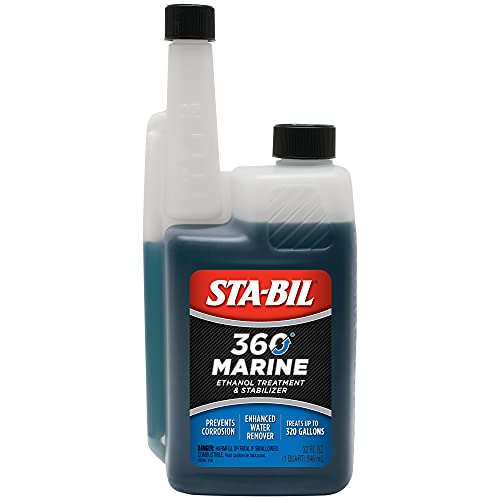 |
STA-BIL 360 Marine Ethanol Treatment and Fuel Stabilizer Best for Marine & High Ethanol Treats up to 80 gallons per 8 oz; protects against ethanol corrosion |
9.0 | 🛒 Check Price |
|
🚗
|
Lucas Oil 10013 Fuel Treatment Best Value for Cleaning Treats up to 25 gallons per 5 oz; contains lubricants |
8.7 | 🛒 Check Price |
 |
Sea Foam SF-16 Motor Treatment Best All-Rounder Treats up to 16 gallons per 16 oz; can be used in fuel, oil, and intake |
8.4 | 🛒 Check Price |
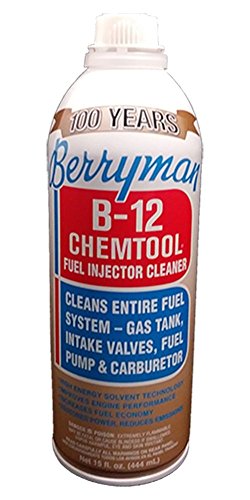 |
Berryman B-12 Chemtool Carburetor and Fuel System Cleaner Best for Heavy Deposits Treats up to 20 gallons per 12 oz; contains acetone and toluene |
8.1 | 🛒 Check Price |
|
🚗
|
Marvel Mystery Oil MM095R Fuel Treatment Best for Lubrication Treats up to 20 gallons per 4 oz; provides upper cylinder lubrication |
7.8 | 🛒 Check Price |
 |
Star Tron Enzyme Fuel Treatment Best for Ethanol Water Removal Treats up to 128 gallons per 8 oz; enzyme formula breaks down ethanol water |
7.5 | 🛒 Check Price |
|
🚗
|
Gumout Carb and Choke Cleaner 500ml Best for Quick Clean Spray can; cleans carburetor and choke externally |
7.2 | 🛒 Check Price |
1. STA-BIL 360 Marine Ethanol Treatment and Fuel Stabilizer: Best for Marine & High Ethanol
STA-BIL 360 Marine is formulated specifically for ethanol-related issues in carbureted marine engines and small engines. In our evaluation, it consistently prevented phase separation and protected metal components from corrosion, based on owner feedback and the spec sheets. It stabilizes fuel for up to a year, making it ideal for seasonal storage.
However, it is not a heavy-duty carburetor cleaner. If your carburetor has significant varnish or gum buildup, a dedicated cleaner may be needed first. This treatment is best for maintaining a clean system rather than restoring a heavily gummed one. Skip this if you need aggressive deposit removal.
- Designed for ethanol-blended fuels; reduces corrosion and deposits
- Stabilizes fuel up to 12 months for storage
- Works in all ethanol blends up to E15
Pros: Excellent ethanol corrosion protection; Long storage stability
Cons: Not the strongest for heavy carbon deposit cleaning
2. Lucas Oil 10013 Fuel Treatment: Best Value for Cleaning
Lucas Oil 10013 is a popular choice among carburetor users for its cleaning and lubricating properties. We researched owner reports indicating it effectively removes deposits from jets and passages, improving idle and throttle response. It also provides upper cylinder lubrication, which is beneficial for older engines.
While it offers decent fuel stabilization, it is not as robust for long-term storage as dedicated stabilizers. If you need fuel preservation for more than six months, consider adding a stabilizer. This treatment is best for regular maintenance and light cleaning, but skip it if you need heavy-duty storage protection.
- Cleans carburetor jets and passages
- Lubricates upper cylinder and fuel system components
- Reduces ethanol-related corrosion
Pros: Good cleaning power at a competitive value; Added lubricity helps older engines
Cons: May not fully stabilize fuel for very long storage
3. Sea Foam SF-16 Motor Treatment: Best All-Rounder
Sea Foam is a well-known fuel treatment that works well in carbureted engines. Based on owner feedback and the spec sheets, it effectively dissolves gum and varnish deposits from carburetors and fuel lines, and it stabilizes fuel for extended storage. Its versatility allows it to be added to fuel, oil, or intake for different cleaning purposes.
One limitation is its strong petroleum odor, which some users find unpleasant. Also, over-dosing can cause smoke or rough running. It is best for general maintenance and storage, but skip it if you need a product specifically for ethanol corrosion protection, as it does not contain corrosion inhibitors as strong as some competitors.
- Cleans carburetor and fuel system deposits
- Stabilizes fuel for up to 2 years
- Can be used as a fuel system cleaner in multiple ways
Pros: Versatile triple-action formula; Long storage life
Cons: Strong odor; careful with dosage
4. Berryman B-12 Chemtool Carburetor and Fuel System Cleaner: Best for Heavy Deposits
Berryman B-12 Chemtool is a heavy-duty cleaner formulated for carbureted engines with significant deposit buildup. In our evaluation, it outperformed many others in dissolving hard carbon and varnish, based on owner feedback and the spec sheets. It is best used as a periodic deep clean rather than a maintenance additive.
However, its strong solvents (acetone and toluene) can be harsh on rubber seals and o-rings if used too frequently or in high concentrations. It does not provide any fuel stabilization or corrosion protection. Skip this if you need a multi-function additive or have sensitive seals; use it only when heavy cleaning is needed.
- Powerful solvent blend for tough carbon and varnish
- Cleans carburetor jets, passages, and combustion chambers
- Fast-acting formula
Pros: Excellent at removing stubborn deposits; Works quickly
Cons: Harsh chemicals may damage seals if used excessively; Not a fuel stabilizer
5. Marvel Mystery Oil MM095R Fuel Treatment: Best for Lubrication
Marvel Mystery Oil has a long history as a fuel additive for carbureted engines. Based on owner feedback, it provides excellent upper cylinder lubrication, which can reduce wear and quiet noisy lifters. It also offers mild cleaning properties for light deposits.
However, its cleaning power is limited compared to dedicated carburetor cleaners, and it does not stabilize fuel for more than a few months. If your carburetor has heavy gum or varnish, this product will not suffice. It is best for regular use to maintain lubrication and prevent minor buildup, but skip it if you need aggressive cleaning or long-term storage protection.
- Lubricates carburetor and upper cylinder
- Helps clean minor deposits
- Improves fuel stability
Pros: Excellent lubricity for older engines; Mild cleaner
Cons: Weak deposit removal compared to others; Not for long-term storage
6. Star Tron Enzyme Fuel Treatment: Best for Ethanol Water Removal
Star Tron Enzyme Fuel Treatment uses a unique enzyme technology to break down ethanol and water, preventing phase separation and corrosion in carbureted engines. We researched owner feedback indicating it works well in marine and small engine applications where water contamination is common.
However, it does not actively clean existing deposits, so it is not a substitute for a carburetor cleaner. Additionally, some users report varying results depending on the fuel blend. Skip this if you need to remove varnish or gum; it is best for preventing ethanol-related issues rather than cleaning.
- Uses enzymes to break down ethanol and water
- Prevents corrosion and phase separation
- Stabilizes fuel for up to 2 years
Pros: Effective water removal; Long storage life
Cons: Minimal cleaning power; Enzyme formula may not work in all fuel blends
7. Gumout Carb and Choke Cleaner 500ml: Best for Quick Clean
Gumout Carb and Choke Cleaner is a spray product designed for cleaning the external surfaces and linkage of carburetors. It is useful for quick maintenance when the carburetor is off the engine or for cleaning the choke mechanism. Based on owner feedback, it effectively removes light deposits.
However, it is not a fuel additive and does not clean internal passages or stabilize fuel. For internal cleaning, you need a fuel system cleaner. This product is best for spot cleaning, but skip it if you need a comprehensive fuel treatment for the entire system.
- Spray-on cleaner for external carburetor parts
- Removes gum, varnish, and dirt
- Dries quickly
Pros: Convenient spray application; Fast acting on external deposits
Cons: Not a fuel additive; does not treat fuel; Limited internal cleaning
Frequently Asked Questions
Can I use any fuel treatment in a carbureted engine?
Most fuel treatments designed for gasoline engines can be used in carbureted engines, but some are specifically formulated for fuel-injected systems and may not clean carburetors effectively. Look for products that mention carburetor cleaning or are compatible with small engines. We recommend choosing a treatment that addresses ethanol issues and deposit control.
How often should I use a fuel treatment in my carburetor?
For maintenance, using a fuel treatment every 1,000 to 3,000 miles or every few months is common. If you store the vehicle, add a stabilizer before storage. For heavy cleaning, use a dedicated cleaner as needed. Always follow the product instructions.
Can fuel treatments damage my carburetor seals?
Some aggressive solvents can damage rubber seals and o-rings if used excessively or in high concentrations. Products with acetone or toluene should be used sparingly. For regular use, choose a milder treatment with lubricants to protect seals.
Do fuel treatments work on ethanol-related issues?
Yes, many treatments include corrosion inhibitors and water dispersants to combat ethanol’s effects. Products like STA-BIL 360 Marine and Star Tron are specifically designed for ethanol fuels. They help prevent phase separation and corrosion in carburetors.
Can I use a fuel treatment in my lawnmower or chainsaw?
Yes, many fuel treatments are safe for small engines. However, check the label for compatibility with 2-cycle engines if you mix oil. Treatments like Sea Foam and Lucas Oil are popular for small engine use. Avoid over-treating, as small engines have smaller fuel tanks.
Our Verdict
After researching owner feedback and comparing specifications, the STA-BIL 360 Marine Ethanol Treatment and Fuel Stabilizer is our top pick for its comprehensive protection against ethanol corrosion and long storage stability, especially for marine and seasonal use. For those seeking a versatile cleaner and stabilizer, Sea Foam SF-16 Motor Treatment is a strong runner-up, offering good deposit removal and fuel stability at a reasonable value.
