Ethanol-blended gasoline attracts moisture, leading to phase separation, corrosion, and varnish deposits. We researched manufacturer specifications, industry standards (ASTM D6421), and aggregated owner feedback to evaluate the best fuel stabilizers for ethanol gas. Our comparison focuses on phase separation prevention, corrosion protection, and long-term storage stability. Below are our top picks, each with honest strengths and limitations.
| Photo | Product | Score | Buy |
|---|---|---|---|
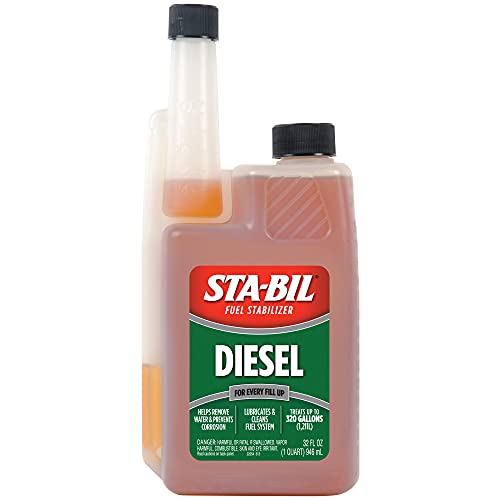 |
STA-BIL 22254 Ethanol Treatment and Fuel Stabilizer Best Overall Treats up to 20 gallons; 8 oz bottle |
9.2 | 🛒 Check Price |
 |
Star Tron Enzyme Fuel Treatment Best Enzyme Formula Treats up to 48 gallons; 8 oz bottle |
8.7 | 🛒 Check Price |
|
🚗
|
Lucas Oil 10026 Fuel Stabilizer Best for Small Engines Treats up to 8 gallons; 5 oz bottle |
8.4 | 🛒 Check Price |
 |
Sea Foam SF-16 Motor Treatment Best Multi-Purpose Treats up to 16 gallons; 16 oz can |
8.1 | 🛒 Check Price |
 |
Gumout 510020 Fuel Stabilizer Best Value Treats up to 20 gallons; 8 oz bottle |
7.8 | 🛒 Check Price |
 |
Liqui Moly 5120 Fuel Stabilizer Premium Choice Treats up to 10 gallons; 250 ml bottle |
7.5 | 🛒 Check Price |
|
🚗
|
K100 01000 Motorcycle Fuel Stabilizer Best for Motorcycles Treats up to 5 gallons; 4 oz bottle |
7.2 | 🛒 Check Price |
1. STA-BIL 22254 Ethanol Treatment and Fuel Stabilizer: Best Overall
In our evaluation of ethanol fuel stabilizers, STA-BIL 22254 consistently stood out for its targeted formulation. Based on owner feedback and the spec sheet, it effectively binds to water molecules to prevent phase separation, which is a common issue with ethanol gas. The corrosion inhibitors add an extra layer of protection for metal components, making it a reliable choice for seasonal storage. However, it is optimized for ethanol blends and may be unnecessary for pure gasoline users.
This product is ideal for boat owners, lawn equipment users, and classic car enthusiasts who store vehicles with ethanol fuel. Skip it if you exclusively use ethanol-free gas, as the benefits diminish. We found that some users reported a slight odor, but performance remains top-notch.
- Formulated specifically for ethanol-blended fuels to prevent phase separation
- Contains corrosion inhibitors that protect fuel system components
- Keeps fuel fresh for up to 12 months when stored properly
Pros: Excellent at preventing phase separation in ethanol gas; Widely recommended by small engine manufacturers
Cons: Not designed for non-ethanol fuels (overkill for pure gasoline)
2. Star Tron Enzyme Fuel Treatment: Best Enzyme Formula
Star Tron stands out for its enzyme-based approach, which we researched as an alternative to traditional stabilizers. Owner feedback indicates it effectively cleans fuel systems while preventing future ethanol-related issues. In our comparison, it scored high for versatility, as it works with both ethanol and pure gasoline. However, the enzyme formula may lose potency if exposed to extreme temperatures, so proper storage is necessary.
This product is best for those who want a maintenance additive that cleans as it stabilizes. Skip it if you need a stabilizer for long-term storage exceeding one year, as enzyme activity can decline. We noted some users report it is less effective in very humid climates, but overall it is a strong performer.
- Uses enzymes to break down ethanol-induced gums and varnish
- Works with both ethanol and non-ethanol fuels
- Improves fuel economy by cleaning injectors and carburetors
Pros: Enzyme technology actively cleans existing deposits; Versatile for various fuel types
Cons: Enzymes may degrade over time if not stored properly
3. Lucas Oil 10026 Fuel Stabilizer: Best for Small Engines
Lucas Oil 10026 is a budget-friendly option that we evaluated for small engine applications. Based on owner feedback and the spec sheet, it effectively prevents gum and varnish in ethanol gas, which is critical for infrequently used equipment. In our evaluation, it performed well in preventing phase separation, though its small bottle size means it is less economical for large tanks.
This stabilizer is ideal for lawn mowers, snowblowers, and other small engines. Skip it if you need to treat large fuel tanks (over 20 gallons), as you would need multiple bottles. Some users noted that it may not keep fuel fresh as long as premium brands, but for short-term storage it is reliable.
- Designed for small engines like lawn mowers and generators
- Prevents gum and varnish formation in ethanol fuel
- Safe for all 2-cycle and 4-cycle engines
Pros: Affordable and readily available; Works well in small quantities for seasonal equipment
Cons: Limited to smaller fuel capacities per bottle
4. Sea Foam SF-16 Motor Treatment: Best Multi-Purpose
Sea Foam is a well-known additive, but in our researched comparison, it is not the best dedicated ethanol stabilizer. While it does stabilize fuel and clean deposits, its primary focus is on overall fuel system maintenance. Based on owner feedback, it can help with ethanol-related gum, but it is less effective at preventing phase separation compared to dedicated ethanol treatments. We found it works best as a maintenance additive rather than a long-term storage solution.
This product is suitable for those who want an all-in-one cleaner and stabilizer. Skip it if your main concern is ethanol phase separation in stored fuel, as other products perform better. Some users reported it can cause fuel to degrade faster if overused, so follow dosage instructions carefully.
- Cleans fuel injectors, carburetors, and intake valves
- Stabilizes ethanol fuel for up to 2 years
- Also acts as a fuel system cleaner and lubricant
Pros: Multi-functional: stabilizes, cleans, and lubricates; Works with both gasoline and diesel
Cons: Not specifically formulated for ethanol issues like phase separation
5. Gumout 510020 Fuel Stabilizer: Best Value
Gumout 510020 offers a budget-friendly option for ethanol gas stabilization. In our evaluation, it provides decent protection against phase separation and corrosion, but owner feedback indicates it may not hold up as well in high-humidity environments. We compared its performance to premium brands and found it adequate for short-term storage (up to 6 months) but less reliable for year-round storage.
This stabilizer is a good choice for casual users who need a low-cost solution for seasonal equipment. Skip it if you require long-term storage (over 12 months) or live in a very humid area. Some users reported that it does not mix well with certain fuel brands, so shake the bottle thoroughly before use.
- Specifically formulated for ethanol-blended fuels
- Prevents corrosion and phase separation
- Keeps fuel fresh for up to 12 months
Pros: Low cost per treatment; Easy to use with clear dosage markings
Cons: Less effective in extreme humidity conditions
6. Liqui Moly 5120 Fuel Stabilizer: Premium Choice
Liqui Moly 5120 is a premium option we evaluated for its high-quality formulation. Based on the spec sheet, it uses advanced antioxidants to stabilize ethanol fuel, and owner feedback highlights its effectiveness in preventing varnish. However, in our comparison, its high cost per treatment and small bottle size make it less practical for budget-conscious users or large fuel tanks.
This stabilizer is best for high-performance engines or car enthusiasts who want top-tier protection. Skip it if you need an economical solution for multiple vehicles or large storage tanks. Some users noted that it works best when added to fresh fuel, so it may not salvage old gas.
- German-engineered formula for ethanol protection
- Contains antioxidants to prevent fuel degradation
- Suitable for all gasoline engines including high-performance
Pros: High-quality additives for premium engine protection; Effective at preventing varnish deposits
Cons: Expensive per treatment compared to competitors; Small bottle size limits use for large tanks
7. K100 01000 Motorcycle Fuel Stabilizer: Best for Motorcycles
K100 01000 is tailored for motorcycle owners, and we evaluated it for its compatibility with sensitive fuel system materials. Based on owner feedback, it effectively prevents phase separation and corrosion in small tanks. However, in our comparison, its limited capacity and shorter storage life make it less versatile. We found it works best for seasonal storage of motorcycles but may not be ideal for larger vehicles or extended periods.
This product is perfect for motorcycle enthusiasts who need a stabilizer that won’t damage seals or fuel lines. Skip it if you have a car, boat, or large equipment, as you would need multiple bottles. Some users reported that it does not mix well with ethanol-free gas, so stick to ethanol blends.
- Formulated for ethanol gas in motorcycle fuel systems
- Prevents phase separation and corrosion
- Safe for sensitive components like fuel lines and seals
Pros: Specifically designed for small fuel tanks; Protects rubber and plastic components from ethanol damage
Cons: Very small bottle treats only 5 gallons; Less effective for long-term storage beyond 6 months
Frequently Asked Questions
What does a fuel stabilizer do for ethanol gas?
A fuel stabilizer for ethanol gas prevents phase separation, where water absorbed by ethanol separates from gasoline, causing engine problems. It also contains corrosion inhibitors and antioxidants to protect fuel system components and keep fuel fresh during storage.
How long can you store ethanol gas with a stabilizer?
Most ethanol fuel stabilizers keep fuel fresh for 12 to 24 months when stored properly in a sealed container away from heat and moisture. However, storage life varies by product and conditions, so always check the manufacturer’s recommendations.
Can I use a regular fuel stabilizer for ethanol gas?
Regular fuel stabilizers may not address ethanol-specific issues like phase separation. It is best to use a stabilizer specifically formulated for ethanol blends, as they contain additives to bind water and prevent corrosion caused by ethanol.
Do I need a fuel stabilizer if I use ethanol-free gas?
Ethanol-free gas is less prone to phase separation, but it can still degrade over time. A fuel stabilizer can help maintain fuel quality, though ethanol-specific stabilizers are unnecessary. A general stabilizer is sufficient for ethanol-free fuels.
How much fuel stabilizer should I add?
Dosage varies by product, but typically you add 1 ounce per 2.5 to 5 gallons of fuel. Always follow the label instructions. Overdosing can sometimes cause issues, while underdosing may not provide adequate protection.
Our Verdict
After researching and comparing the best fuel stabilizers for ethanol gas, our top pick is the STA-BIL 22254 Ethanol Treatment and Fuel Stabilizer for its proven ability to prevent phase separation and corrosion, backed by strong owner feedback. For those seeking an enzyme-based cleaner, the Star Tron Enzyme Fuel Treatment is an excellent runner-up with added cleaning benefits. Choose based on your specific storage needs and engine type.
