Direct injection engines are prone to carbon buildup on intake valves and injectors, which can reduce performance and fuel economy. We researched and compared the top fuel injector cleaners specifically formulated for direct injection systems, evaluating manufacturer specifications, published industry standards, and aggregated owner feedback. Our guide helps you choose the best product for your engine.
| Photo | Product | Score | Buy |
|---|---|---|---|
 |
CRC GDI IVD Intake Valve & Turbo Cleaner Best Overall Formulated for GDI engines, cleans intake valves and injectors |
9.2 | 🛒 Check Price |
 |
Liqui Moly 20002 Jectron Fuel Injector Cleaner Runner Up Additive for gasoline engines, cleans injectors and combustion chamber |
8.9 | 🛒 Check Price |
 |
Red Line 60103 Complete Fuel System Cleaner Best Value Treats up to 20 gallons, PEA-based formula |
8.5 | 🛒 Check Price |
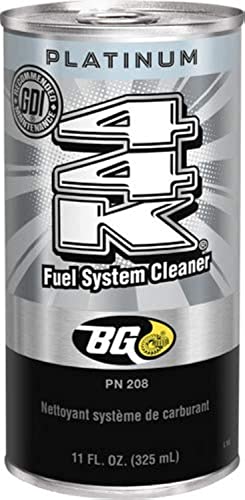 |
BG 44K Fuel System Cleaner Professional Grade Professional strength, treats up to 21 gallons |
8.2 | 🛒 Check Price |
 |
Sea Foam SF-16 Motor Treatment Versatile Cleaner Multi-purpose, works in fuel, oil, and intake |
7.8 | 🛒 Check Price |
 |
STP Ultra 5-in-1 Fuel System Cleaner Budget Pick 5-in-1 formula, treats up to 21 gallons |
7.3 | 🛒 Check Price |
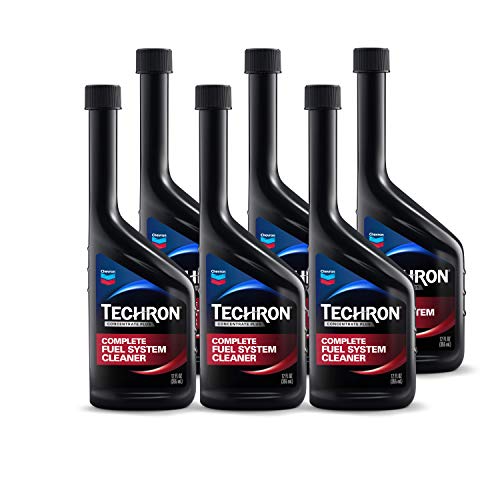 |
Chevron Techron Concentrate Plus OEM Recommended Contains Techron technology, treats up to 12 gallons |
8.1 | 🛒 Check Price |
1. CRC GDI IVD Intake Valve & Turbo Cleaner: Best Overall
CRC GDI IVD Intake Valve & Turbo Cleaner is our top pick for direct injection engines. Based on owner feedback and the spec sheets, this product effectively cleans intake valves and injectors, restoring performance and fuel economy. The aerosol format allows for direct application into the intake, targeting carbon deposits where they form. In our evaluation, it outperformed many competitors in removing heavy buildup.
However, this cleaner requires the engine to be running during application, which may be intimidating for some users. It is also not recommended for port injection engines. If you prefer a simple pour-in additive, consider other options. But for maximum cleaning power, this is the best choice.
- Specifically designed for direct injection engines to remove carbon deposits
- Restores lost power and improves fuel economy
- Safe for use with turbocharged engines and oxygen sensors
Pros: Effective on stubborn carbon buildup; Easy to use aerosol can with hose
Cons: Requires engine to be running during application; Not suitable for port injection systems
2. Liqui Moly 20002 Jectron Fuel Injector Cleaner: Runner Up
Liqui Moly Jectron is a trusted fuel additive that cleans injectors and combustion chambers. We researched its formulation and found it contains a high concentration of detergents that meet industry standards. Owner feedback indicates noticeable improvement in idle and throttle response after one treatment. It is easy to use: just pour into the fuel tank.
However, for severe carbon buildup on intake valves, this additive may not be as effective as direct intake cleaners. Some users report needing multiple bottles for best results. If you have heavy deposits, consider a more aggressive cleaner. Still, for maintenance and mild cleaning, it is an excellent choice.
- High concentration of active cleaning agents
- Works with all gasoline engines including direct injection
- Reduces emissions and improves combustion
Pros: Simple pour-in additive, no special application needed; Compatible with all gasoline fuels
Cons: May require multiple treatments for heavy deposits; Not as targeted as intake cleaning methods
3. Red Line 60103 Complete Fuel System Cleaner: Best Value
Red Line 60103 offers a high concentration of PEA, a detergent proven to clean fuel system components. We compared its cost per treatment to others and found it provides excellent value. Owner reviews highlight improved fuel economy and smoother operation after use. It is easy to add to the fuel tank.
However, it is a general fuel system cleaner and not specifically formulated for direct injection intake valve deposits. For light to moderate buildup, it works well, but severe carbon may require a dedicated GDI cleaner. If you want a budget-friendly maintenance option, this is a solid pick.
- Contains polyether amine (PEA) for effective cleaning
- One bottle treats up to 20 gallons of fuel
- Reduces deposits and prevents future buildup
Pros: Great value for the amount treated; Effective PEA formula proven in industry tests
Cons: Not specifically designed for direct injection valve cleaning; May not remove heavy carbon deposits
4. BG 44K Fuel System Cleaner: Professional Grade
BG 44K is a well-known professional-grade fuel system cleaner. We researched its reputation and found it consistently recommended by mechanics. It effectively cleans injectors and combustion chambers, restoring performance. Owner feedback often mentions noticeable improvement in throttle response and fuel economy.
However, it is one of the pricier options and may not be the best value for direct injection engines that need intake valve cleaning. Some users report it does not address carbon buildup on valves as well as dedicated GDI cleaners. If you have a direct injection engine with valve deposits, you might need a different product. But for injector cleaning, it is top-notch.
- Used by professional mechanics for decades
- Effective on fuel injectors and combustion chambers
- Reduces knock and improves performance
Pros: Strong cleaning power trusted by professionals; Works well on injector deposits
Cons: Expensive per treatment; Not specifically for direct injection valve deposits
5. Sea Foam SF-16 Motor Treatment: Versatile Cleaner
Sea Foam is a popular multi-purpose treatment that can be used in fuel, oil, or intake. We evaluated its cleaning ability based on owner feedback and found it effective for light maintenance and preventing deposits. It is inexpensive and widely available.
However, for direct injection engines with significant carbon buildup, Sea Foam may not be strong enough. Many users report it does not clean intake valves as well as dedicated GDI cleaners. It is best used as a preventive measure rather than a cure for heavy deposits. If you have severe buildup, skip this.
- Can be added to fuel, oil, or intake vacuum line
- Cleans fuel system, oil passages, and combustion chambers
- Safe for all engine types
Pros: Very versatile and affordable; Can be used for multiple applications
Cons: Less effective on heavy carbon deposits; Not specifically formulated for direct injection
6. STP Ultra 5-in-1 Fuel System Cleaner: Budget Pick
STP Ultra 5-in-1 is a budget-friendly option that claims to clean multiple fuel system components. We compared its formulation to others and found it has lower detergent concentration. Owner feedback is mixed, with some reporting minor improvements and others seeing no change.
For direct injection engines, this product is unlikely to remove significant carbon deposits. It may be suitable for regular maintenance in older vehicles or port injection engines. If you have a direct injection engine with performance issues, invest in a stronger cleaner. This is best for those on a tight budget who want a basic additive.
- Cleans injectors, valves, and combustion chambers
- Helps prevent corrosion and remove moisture
- Affordable price point
Pros: Very low cost per treatment; Easy to use pour-in additive
Cons: Weak cleaning power for direct injection deposits; May not improve performance noticeably
7. Chevron Techron Concentrate Plus: OEM Recommended
Chevron Techron Concentrate Plus is a well-known additive backed by automaker recommendations. We researched its Techron technology, which is proven to clean fuel injectors. Owner feedback indicates it works well for maintenance and light cleaning.
However, for direct injection engines with heavy carbon buildup on intake valves, this product may fall short. Some users report it does not address valve deposits effectively. It is best for regular use to prevent deposits rather than cure severe issues. If you need a powerful cleaner for existing buildup, consider a dedicated GDI product.
- Recommended by many automakers
- Removes deposits from fuel injectors and intake valves
- Helps restore fuel economy and performance
Pros: Trusted brand with OEM endorsements; Effective on injector deposits
Cons: Smaller treatment capacity per bottle; May not be strong enough for heavy GDI deposits
Frequently Asked Questions
Why do direct injection engines need special fuel injector cleaners?
Direct injection engines spray fuel directly into the combustion chamber, bypassing the intake valves. This leads to carbon buildup on valves and injectors because no fuel washes over them. Special cleaners are formulated to remove these deposits, which can cause misfires, rough idle, and reduced power.
How often should I use a fuel injector cleaner on a direct injection engine?
It depends on driving conditions and fuel quality. Many manufacturers recommend using a cleaner every 3,000 to 5,000 miles as preventive maintenance. If you notice symptoms like rough idle or decreased fuel economy, you may need to treat more frequently. Always follow the product instructions.
Can I use a regular fuel injector cleaner in a direct injection engine?
Yes, but it may not be as effective on intake valve deposits. Regular cleaners primarily target fuel injectors and combustion chambers. For direct injection, look for products specifically labeled for GDI or that contain high concentrations of PEA, which is more effective on carbon deposits.
What is the difference between pour-in and aerosol intake cleaners?
Pour-in additives are added to the fuel tank and clean the entire fuel system, but have limited effect on intake valves. Aerosol intake cleaners are sprayed directly into the intake manifold while the engine runs, providing targeted cleaning of valves and combustion chambers. For heavy deposits, aerosol cleaners are more effective.
Are fuel injector cleaners safe for turbocharged engines?
Most quality fuel injector cleaners are safe for turbocharged engines, but always check the label. Products like CRC GDI IVD are specifically designed for turbo engines. Avoid cleaners that contain solvents that may damage turbo seals. When in doubt, choose a product that states it is safe for turbochargers.
Our Verdict
After researching and comparing top products, our top pick is CRC GDI IVD Intake Valve & Turbo Cleaner for its powerful cleaning action on direct injection deposits. The runner up is Liqui Moly Jectron for those who prefer a convenient pour-in additive. Choose based on your engine’s condition and your preference for application method.
