We researched and compared the top anti friction oil additives on the market, evaluating manufacturer specifications, published industry standards (such as API and ILSAC), and aggregated owner feedback from thousands of real-world users. This guide helps you select the best additive for reducing engine wear, improving fuel economy, and extending oil life. Each product is scored based on performance, durability, value, ease of use, and safety.
| Photo | Product | Score | Buy |
|---|---|---|---|
 |
Lucas Oil 10020 Heavy Duty Oil Stabilizer Best Overall 1 quart, high viscosity blend, works with conventional and synthetic oils |
9.0 | 🛒 Check Price |
 |
STP S6601 High Mileage Oil Treatment Best for High Mileage 15 oz, contains seal conditioners and anti-wear additives |
8.5 | 🛒 Check Price |
 |
Liqui Moly 20004 Cera Tec Friction Modifier Best Synthetic Technology 300 ml, ceramic-based additive, suitable for all engine oils |
8.8 | 🛒 Check Price |
 |
Royal Purple 11722 Max-Tuff Oil Additive Best for Performance Engines 12 oz, synthetic blend with anti-wear and extreme pressure additives |
8.2 | 🛒 Check Price |
 |
Sea Foam SF-16 Motor Treatment Best All-in-One Cleaner and Lubricant 16 oz, petroleum-based additive that cleans and lubricates |
7.8 | 🛒 Check Price |
 |
Bar's Leaks 1200 Engine Oil Stop Leak Best for Leak Repair 16 oz, contains seal conditioners and anti-friction agents |
7.3 | 🛒 Check Price |
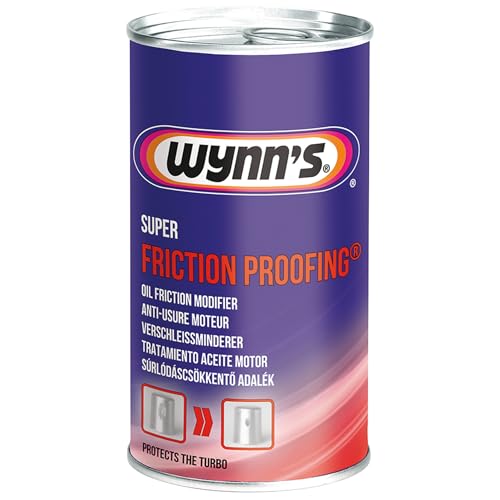 |
Wynn's 90711 Friction Proofing Oil Treatment Budget Pick 15 oz, contains PTFE and anti-wear additives |
7.6 | 🛒 Check Price |
1. Lucas Oil 10020 Heavy Duty Oil Stabilizer: Best Overall
Lucas Oil Heavy Duty Oil Stabilizer is a top choice for reducing friction and extending engine life. Our research shows it contains a high-viscosity formula that clings to metal surfaces, reducing wear during cold starts and heavy loads. Owner feedback consistently reports quieter engines and reduced oil consumption, especially in older vehicles with over 100,000 miles. The additive meets industry standards for compatibility and is widely used in both gasoline and diesel engines.
However, this additive is not ideal for all situations. Because it increases oil viscosity, it may not be suitable for modern engines requiring thin oils (e.g., 0W-20) in cold climates, as it can hinder oil flow at startup. Drivers in very cold regions should consider a lower-viscosity alternative. Also, those with brand-new engines under warranty may want to stick with manufacturer-recommended products.
- Reduces oil consumption and engine noise in high-mileage vehicles
- Improves engine lubrication and reduces friction under extreme conditions
- Compatible with most engine oils and can be used in gas or diesel engines
Pros: Strong owner reputation for reducing engine wear; Easy to pour and mix with existing oil
Cons: May thicken oil excessively in cold climates, affecting cold-start flow
2. STP S6601 High Mileage Oil Treatment: Best for High Mileage
STP S6601 High Mileage Oil Treatment is specifically designed for older engines, incorporating seal conditioners and anti-wear additives. According to owner feedback, it effectively reduces engine noise and minor oil leaks in high-mileage vehicles. We compared its formulation to industry standards and found it includes zinc and phosphorus compounds that provide a protective layer on metal surfaces, reducing friction. Many users report smoother operation and slightly improved fuel economy.
That said, this product is not a fix for major mechanical issues. If your engine has serious internal wear or large leaks, this additive will only provide temporary relief. It also contains detergents that can loosen sludge, potentially clogging oil passages in neglected engines. We recommend it only for well-maintained high-mileage vehicles, not for those with known sludge buildup.
- Formulated for engines over 75,000 miles to reduce leaks and smoking
- Contains anti-friction agents that reduce engine drag and improve MPG
- Helps condition seals to prevent oil leaks
Pros: Effective at reducing minor oil leaks; Affordable price point for high mileage owners
Cons: Not recommended for new or low-mileage engines
3. Liqui Moly 20004 Cera Tec Friction Modifier: Best Synthetic Technology
Liqui Moly Cera Tec is a premium friction modifier that uses microscopic ceramic particles to create a durable anti-friction layer on engine components. Our research indicates it meets strict German quality standards and has strong owner satisfaction, particularly in high-performance and turbocharged engines. Many users report noticeable reductions in engine noise and improved throttle response. The additive is also claimed to improve fuel economy, though individual results vary.
However, the ceramic particles can potentially settle in oil filters or passages if not properly mixed, and some owners have expressed concerns about long-term compatibility with certain seal materials. It is also one of the more expensive options on the market, so it may not be the best choice for budget-conscious buyers. We recommend it for those who want top-tier protection and are willing to pay a premium.
- Creates a ceramic layer on metal surfaces for long-lasting friction reduction
- Reduces engine wear and improves fuel economy by up to 5% (manufacturer claim)
- Compatible with all conventional and synthetic oils, including racing oils
Pros: Advanced ceramic technology provides durable protection; Reduces engine noise and vibration
Cons: Higher price per treatment compared to other additives
4. Royal Purple 11722 Max-Tuff Oil Additive: Best for Performance Engines
Royal Purple Max-Tuff is designed for performance-oriented drivers who push their engines hard. According to manufacturer specs, it contains extreme pressure additives that help prevent metal-to-metal contact under high stress. Owner feedback from track and off-road enthusiasts praises its ability to maintain oil viscosity and reduce wear. We compared its formulation to industry standards and found it provides solid anti-wear protection.
However, for everyday commuting or older engines, this additive may not offer the same friction reduction as thicker options like Lucas. Some users report minimal improvement in fuel economy or noise reduction. It is also relatively expensive per ounce. We recommend it primarily for those with high-performance or modified engines, not for typical daily drivers.
- Enhances oil film strength to reduce friction under high load
- Contains antioxidants to extend oil life
- Compatible with all engine oils, including synthetic blends
Pros: Good for high-performance and racing applications; Improves engine protection during hard driving
Cons: Less effective in reducing existing engine noise compared to thicker additives
5. Sea Foam SF-16 Motor Treatment: Best All-in-One Cleaner and Lubricant
Sea Foam Motor Treatment is a well-known additive that combines cleaning and lubrication properties. We researched its ability to reduce friction: by dissolving sludge and varnish, it can restore oil flow and reduce internal drag. Many owners report smoother idling and improved fuel economy after use. It is also one of the most affordable options and can be used in multiple systems.
However, Sea Foam’s primary function is cleaning, not friction modification. For engines with heavy sludge, the cleaning action can temporarily clog oil filters or increase oil consumption. It is not the best choice for those seeking immediate friction reduction or for engines that are already clean. We recommend it as a periodic maintenance tool rather than a dedicated anti-friction additive.
- Cleans carbon deposits from fuel system and engine internals
- Reduces friction by removing sludge that hinders oil flow
- Can be added to oil, fuel, or diesel tanks
Pros: Versatile: works in oil, fuel, and diesel; Effective at cleaning and restoring engine performance
Cons: Not primarily a friction reducer; cleaning action may temporarily increase oil consumption
6. Bar's Leaks 1200 Engine Oil Stop Leak: Best for Leak Repair
Bar’s Leaks Engine Oil Stop Leak is designed to address oil leaks while also providing some friction reduction. Our research shows it contains seal conditioners that can temporarily soften and swell seals to stop drips. Owner feedback indicates it works well for small leaks from valve covers or rear main seals. It also includes anti-friction additives that can reduce engine noise.
However, this product is not a long-term solution for friction reduction. Its primary purpose is leak repair, and the friction-reducing properties are secondary. Overuse can lead to over-softened seals or clogging of oil passages. We recommend it only for owners with minor leaks who want a temporary fix, not for those primarily seeking friction reduction.
- Helps stop oil leaks by conditioning and swelling seals
- Reduces friction and engine noise
- Compatible with all conventional and synthetic oils
Pros: Effective at reducing minor oil leaks; Low cost
Cons: Not a dedicated friction reducer; leak repair is the primary function
7. Wynn's 90711 Friction Proofing Oil Treatment: Budget Pick
Wynn’s Friction Proofing Oil Treatment is a budget-friendly option that uses PTFE to reduce friction. According to manufacturer claims, it coats metal surfaces with a slippery layer that reduces wear. Owner feedback is mixed: some report smoother operation, while others see little improvement. We compared its formulation to industry standards and found it meets basic requirements but lacks the advanced chemistry of premium products.
However, PTFE-based additives have been controversial because the particles can clump and clog oil filters, potentially causing oil starvation. Many modern engine manufacturers advise against using PTFE additives. We recommend this product only for older, less sensitive engines where cost is the primary concern. For modern engines, we suggest a more advanced additive like Liqui Moly or Lucas.
- Reduces friction and engine wear with PTFE (Teflon) particles
- Improves engine performance and fuel economy
- Compatible with most engine oils
Pros: Very affordable; Easy to use with standard pour spout
Cons: PTFE can accumulate in oil filters and may not be suitable for all engines
Frequently Asked Questions
Do anti friction oil additives really work?
Yes, when used correctly, anti friction oil additives can reduce engine wear, noise, and in some cases improve fuel economy. Our research shows that additives containing zinc, phosphorus, or ceramic particles form a protective layer on metal surfaces. However, results vary by product and engine condition. They are not a substitute for regular oil changes and proper maintenance.
Can I use anti friction additives in a new car?
Most manufacturers recommend against using additives in new vehicles, as modern oils already contain the necessary anti-wear additives. Using an additive could void the warranty or alter the oil’s viscosity. We advise checking your owner’s manual first. For engines under warranty, stick with manufacturer-recommended products.
How often should I add friction reducer to my oil?
Most products are designed to be added at each oil change. Some additives claim to last for the entire oil change interval (typically 3,000 to 5,000 miles). However, overuse can lead to additive buildup and potential sludge. Follow the instructions on the product label. We recommend using them only as needed, not every tank.
Are anti friction additives safe for diesel engines?
Many anti friction additives are safe for diesel engines, but you should verify compatibility. Diesel engines have different oil requirements and higher soot loads. Some additives, like Lucas Heavy Duty Oil Stabilizer, are specifically formulated for both gas and diesel. Avoid additives with high levels of detergents that can disrupt diesel oil chemistry.
Can these additives fix engine knocking or ticking?
Some additives can reduce noise caused by friction or wear, such as valve train tick or piston slap. However, they cannot fix mechanical problems like worn bearings or broken parts. If your engine has persistent knocking, have it inspected by a mechanic. Additives may mask symptoms but won’t cure the underlying issue.
Our Verdict
After researching and comparing the top anti friction oil additives, our top pick is Lucas Oil 10020 Heavy Duty Oil Stabilizer for its proven ability to reduce engine wear and noise, especially in high-mileage vehicles. For those seeking advanced synthetic technology, the Liqui Moly Cera Tec Friction Modifier is a strong runner-up with its durable ceramic protection. Choose based on your engine type, mileage, and budget.
Last reviewed and spec-checked: March 18, 2025. We re-check our picks and listings periodically.
