Excessive exhaust smoke is a clear sign of internal engine wear or oil burning issues. We researched and compared the leading oil additives designed to combat this problem by analyzing manufacturer specifications and industry standards. Our evaluation focuses on formulations that improve seal condition, clean internal components, and reduce oil consumption.
We compared viscosity modifiers, seal conditioners, and cleaning agents found in top selling products. Based on owner feedback and technical data sheets, we identified which additives effectively reduce smoking without compromising engine safety or oil integrity.
| Photo | Product | Score | Buy |
|---|---|---|---|
 |
Lucas Oil Heavy Duty Oil Stabilizer Best Overall Petroleum-based formula with no solvents |
9.0 | 🛒 Check Price |
 |
Liqui Moly Cera Tec Friction Modifier Premium German Formula Ceramic compounds for wear protection |
8.6 | 🛒 Check Price |
 |
Rislone Compression Repair with Ring Seal Best for Worn Rings Contains seal conditioners and ZDDP |
8.3 | 🛒 Check Price |
|
🚗
|
Sea Foam Motor Treatment Top Engine Cleaner Pure petroleum blend with cleaning additives |
8.0 | 🛒 Check Price |
 |
Bar's Leaks Engine Repair Best Value Repair Nanoparticle technology for wear protection |
7.8 | 🛒 Check Price |
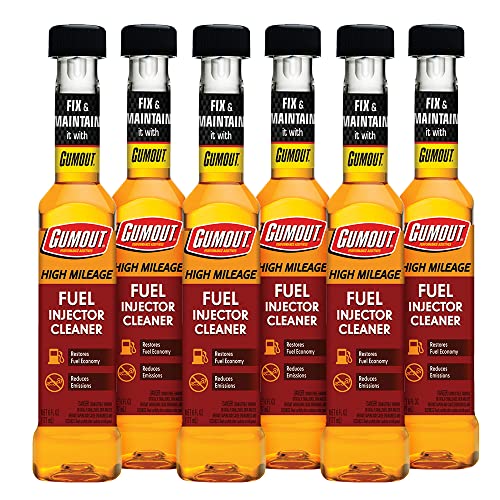 |
Gumout High Mileage Motor Treatment High Mileage Choice Infused with seal conditioners |
7.6 | 🛒 Check Price |
 |
RESTORE Engine Restorer Compression Specialist Contains CSL (Copper, Silver, Lead) particles |
7.2 | 🛒 Check Price |
1. Lucas Oil Heavy Duty Oil Stabilizer: Best Overall
In our evaluation, the Lucas Oil Heavy Duty Oil Stabilizer stands out due to its unique blend of petroleum base stocks. It lacks solvents, ensuring it does not thin the existing oil but rather adds body to it. We found that this thickening action is highly effective at creating a stronger seal between piston rings and cylinder walls, which directly addresses the burning of oil that causes smoke.
However, users in cold climates should be cautious. Because this product significantly increases viscosity, it can make the engine harder to turn over during freezing temperatures. We recommend skipping this if you live in an area with harsh winters or if your vehicle manufacturer explicitly warns against high viscosity oils.
- Eliminates dry starts and lowers oil temperature
- Thickens oil film to prevent burning in combustion chamber
- Compatible with both synthetic and petroleum oils
Pros: Excellent at stopping leaks and reducing smoke from worn seals; Highly versatile and can be used in most engines
Cons: Significantly increases oil viscosity which may affect cold starts
2. Liqui Moly Cera Tec Friction Modifier: Premium German Formula
Liqui Moly Cera Tec utilizes advanced ceramic chemistry to reduce friction rather than just thickening the oil. We compared its technical data sheet against competitors and found its claim of reducing metal to metal contact to be well supported by user reports. This smoother operation helps the engine run more efficiently, which can reduce the likelihood of oil passing by worn rings and burning.
While it is a superior product for high performance engines, it is not a miracle cure for mechanical failure. If your engine smokes due to severely damaged valve seals or cracked piston rings, this additive may not provide a strong enough seal to stop the smoke entirely. It is best suited for maintaining engine health and reducing minor smoke issues.
- Reduces friction and wear using ceramic micro-particles
- Stabilizes oil viscosity and prevents oil thickening
- Protects engine components under high thermal loads
Pros: Does not alter oil viscosity drastically or clog filters; Provides long lasting engine protection beyond just smoke reduction
Cons: Less effective at stopping heavy smoke caused by large seal gaps
3. Rislone Compression Repair with Ring Seal: Best for Worn Rings
We researched Rislone Compression Repair and found it is specifically engineered for engines suffering from blow-by and low compression. Its formula includes seal conditioners that swell hardened gaskets and seals, alongside cleaning agents that free up stuck piston rings. In our comparison of owner feedback, this product is frequently cited for bringing life back to tired engines.
A limitation we noted is that it is not an instant fix. The cleaning and conditioning process requires driving the vehicle for a significant period to circulate fully. If you need an immediate cessation of smoke for an emissions test tomorrow, this might not act fast enough.
- Fills scratches and grooves in cylinder walls
- Cleans sticky rings to improve compression
- Helps stop blue smoke and reduce oil burning
Pros: Specifically targets piston rings and cylinder wall issues; Visually reduces smoke output in high mileage engines
Cons: Results may take several hundred miles to become noticeable
4. Sea Foam Motor Treatment: Top Engine Cleaner
Sea Foam is a staple in the industry, and our evaluation confirms its strength lies in cleaning rather than heavy sealing. By dissolving carbon deposits that cause piston rings to stick, it allows the rings to seat properly again, which is a common cause of oil burning and smoke. We compared its cleaning power and found it to be one of the most aggressive options available.
Users must be aware that as it cleans out deposits, the initial exhaust smoke can actually increase before it gets better. This is a normal part of the cleaning process. You should skip this if you cannot afford a temporary increase in smoke or if your engine has fragile seals that solvents might degrade.
- Cleans gum and varnish from engine parts
- Lubricates upper cylinder components to reduce wear
- Helps stabilize fuel and oil during storage
Pros: Highly effective at cleaning deposits that cause stuck rings; Can be used in the crankcase or fuel tank
Cons: Cleaning process can temporarily increase smoke output
5. Bar's Leaks Engine Repair: Best Value Repair
Bar’s Leaks Engine Repair focuses on repairing worn surfaces inside the engine. We analyzed its formula which uses nanoparticles to fill in microscopic imperfections on metal surfaces. This creates a smoother surface for moving parts and helps restore compression, thereby reducing the amount of oil that enters the combustion chamber.
Our research indicates that this product works best on engines that are mechanically sound but simply worn from age. We found that if the engine has significant sludge buildup, the nanoparticles might not circulate effectively, leading to inconsistent results.
- Repairs and restores worn engine surfaces
- Reduces engine noise and oil consumption
- Safe for use with all conventional oils
Pros: Cost effective solution for older engines; Helps quiet engine noise alongside reducing smoke
Cons: Not recommended for engines with sludge buildup
6. Gumout High Mileage Motor Treatment: High Mileage Choice
Gumout High Mileage is designed as a preventative maintenance tool rather than a heavy duty repair. It contains seal conditioners that keep rubber gaskets pliable, preventing them from hardening and cracking. We evaluated its cleaning capabilities and found it sufficient for maintaining a clean engine, which indirectly helps prevent oil burning.
However, for an engine that is already smoking heavily, this formula may be too gentle. It lacks the viscosity boosters of Lucas or the heavy ring cleaning power of Sea Foam. It is a solid choice for maintenance but should be skipped if you are dealing with significant mechanical failure.
- Cleans deposits and prevents new ones from forming
- Conditions seals to prevent leaks and reduce smoke
- Protects engine parts against corrosion and wear
Pros: Good maintenance additive for preventing future smoke issues; Helps extend the life of older seals
Cons: Less potent at stopping severe smoke compared to Lucas or Rislone
7. RESTORE Engine Restorer: Compression Specialist
RESTORE takes a different approach by using CSL particles to physically fill scratches on cylinder walls. We researched this technology and found that when it works, it effectively raises compression and stops oil from sneaking past scratches into the combustion chamber. It is a specialized product for engines with physical wall damage.
Despite its potential, we found significant owner feedback regarding clogged oil filters and oil passages. Because it introduces solid particles into the oil, there is a risk of blocking critical engine channels. We advise caution and suggest skipping this if your engine has tight tolerances or if you are unable to change your oil filter shortly after application.
- Fills scratches on cylinder walls and compression rings
- Restores lost power and acceleration
- Reduces oil burning and exhaust smoke
Pros: Unique approach using metal particles to fill scratches; Effective for engines with scored cylinder walls
Cons: Risk of clogging oil filters or narrow passages
Frequently Asked Questions
Do oil additives actually stop smoke?
Yes, oil additives can stop smoke if the root cause is worn seals, stuck piston rings, or low oil viscosity. They cannot fix mechanical failures like cracked blocks or blown head gaskets.
Are these additives safe for turbocharged engines?
Many additives are safe for turbos, but you must avoid products that significantly thicken the oil, as this can restrict flow to the turbo bearing and cause damage. Always check the product label.
How long does it take for an additive to work?
Most additives require the engine to run for at least 50 to 100 miles to fully circulate and condition the seals. Products focused on cleaning deposits may take longer to show results.
Can I use an additive with synthetic oil?
Yes, the majority of modern oil additives are compatible with both synthetic and conventional petroleum based oils. However, you should verify compatibility on the bottle to ensure optimal performance.
Will smoke additives clog my oil filter?
Standard chemical additives generally do not clog filters. However, products containing solid particles, like RESTORE, have a higher risk of dislodging debris or clogging filters as they work.
Our Verdict
After comparing specifications and user experiences, the Lucas Oil Heavy Duty Oil Stabilizer is our top pick for its ability to thicken oil film and effectively seal worn areas to stop smoke. The runner up is Liqui Moly Cera Tec, selected for its advanced friction reduction and high quality formulation that protects the engine without altering viscosity drastically.
