When outfitting your RV with new tires, selecting the correct size and type is paramount for safety, handling, and comfort. The 245/70R19.5 designation is a common fitment for many Class A motorhomes and larger RVs, demanding a tire built for sustained highway use, heavy loads, and often extended periods of inactivity.
We researched and compared numerous options in this critical size, evaluating manufacturer specifications, industry safety standards, and aggregated owner feedback. Our aim is to provide an evidence-based guide to help you make an informed decision, highlighting each tire’s strengths, limitations, and suitability for different RVing styles.
| Photo | Product | Score | Buy |
|---|---|---|---|
 |
Michelin XRV Top Pick for Premium Performance RV-specific compound for reduced heat buildup |
9.1 | 🛒 Check Price |
|
🚗
|
Goodyear G670 RV MRT Runner-Up for All-Position RV Use Multi-Radius Tread (MRT) for even wear |
8.8 | 🛒 Check Price |
 |
Toyo M154 Solid Performer for Durability Four-rib design for improved stability |
8.4 | 🛒 Check Price |
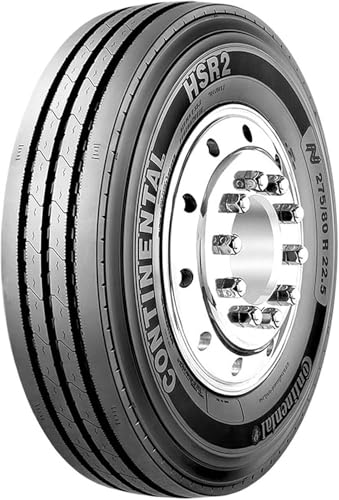 |
Continental HSR2 SA Reliable All-Position Choice Stone ejector ribs to protect casing |
8.1 | 🛒 Check Price |
|
🚗
|
Firestone FS591 Value-Oriented Durability Stress-relief sipes for irregular wear resistance |
7.8 | 🛒 Check Price |
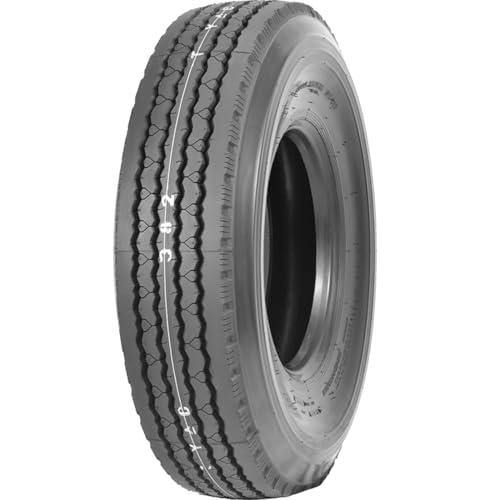 |
Sumitomo ST710 Budget-Friendly All-Position Five-rib tread pattern for stability |
7.5 | 🛒 Check Price |
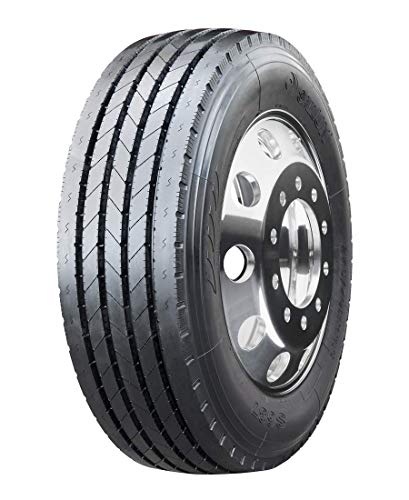 |
Sailun S637T Economical Choice for Value Deep tread depth for extended life |
7.3 | 🛒 Check Price |
1. Michelin XRV: Top Pick for Premium Performance
The Michelin XRV consistently emerges as a benchmark for RV tires, and in our evaluation, its RV-specific design truly stands out. The specialized compound and construction are optimized for the unique demands of motorhomes, focusing on heat dissipation during long hauls and minimizing irregular wear. Owner feedback frequently highlights the noticeable improvement in ride quality and reduced cabin noise, contributing significantly to driving enjoyment.
However, the primary limitation of the XRV is its premium positioning, which translates to a higher upfront cost. While its longevity and performance often justify this over time, RV owners prioritizing immediate budget savings might find this a significant barrier. Those seeking a more budget-friendly option, even with a potential trade-off in ride refinement or ultimate longevity, may consider other selections on this list.
- Engineered specifically for RV applications, prioritizing comfort and longevity.
- Advanced tread design and compound contribute to excellent highway stability and reduced noise.
- Robust casing construction designed for demanding RV load capacities and extended service life.
Pros: Exceptional ride comfort and quiet operation based on owner feedback.; Proven reliability and resistance to heat buildup over long distances.; Strong wet weather traction and handling characteristics.
Cons: Requires a higher initial investment compared to many alternatives.
2. Goodyear G670 RV MRT: Runner-Up for All-Position RV Use
The Goodyear G670 RV MRT is another strong contender specifically engineered for motorhome applications. Its Multi-Radius Tread design is a key feature, intended to distribute pressure evenly across the contact patch, which is critical for mitigating the irregular wear patterns often seen on RV tires due to varying loads and long periods of storage. Based on aggregated owner feedback, this design generally delivers on its promise of consistent wear and good overall mileage.
One area where some owners have noted a slight distinction compared to the absolute premium options is in the very quietest ride characteristics. While it offers a very comfortable and quiet experience, the most discerning drivers might perceive a marginal difference. Therefore, if your absolute highest priority is the quietest possible cabin environment and budget is not a primary concern, you might lean towards the absolute top-tier. For a comprehensive blend of performance, durability, and comfort for the demanding RV lifestyle, the G670 RV MRT remains an outstanding choice.
- Designed with Goodyear's Multi-Radius Tread technology for uniform wear and extended mileage.
- Reinforced sidewalls and robust construction handle heavy RV loads effectively.
- Optimized tread pattern aims to reduce road noise and enhance ride comfort.
Pros: Excellent all-position performance, suitable for steer and drive axles.; Good balance of comfort and handling stability reported by owners.; Reliable wet traction and hydroplaning resistance.
Cons: Can be a significant investment, though often less than top-tier Michelin.
3. Toyo M154: Solid Performer for Durability
The Toyo M154 is a highly regarded all-position commercial tire that has found a strong following among RV owners looking for reliability and durability. Its construction is designed for the rigorous demands of commercial trucking, which translates well to the heavy loads and continuous highway use of many motorhomes. Our research indicates that its robust casing and tread design contribute to excellent longevity and resistance to common wear issues, which is a significant advantage for RVers.
However, as a commercial-grade tire, the M154 is not specifically optimized for the nuanced ride comfort and ultra-low noise levels that dedicated RV tires like the Michelin XRV or Goodyear G670 offer. Owners prioritizing the absolute quietest cabin experience and the most cushioned ride might find its characteristics a bit firmer or slightly noisier. For those who value unwavering durability and strong load handling over the ultimate in luxury ride refinement, the M154 presents a very compelling and reliable option.
- All-position commercial truck tire frequently chosen for RV applications due to robust build.
- Features a four-rib design that contributes to stable handling and even wear.
- Deep tread depth and durable compound enhance service life and resistance to cuts and chips.
Pros: Exceptional durability and resistance to irregular wear based on industry reports.; Strong load carrying capacity, ideal for heavier RVs.; Reliable performance in various weather conditions, including decent wet traction.
Cons: Ride comfort and noise levels may not match dedicated RV-specific tires.
4. Continental HSR2 SA: Reliable All-Position Choice
The Continental HSR2 SA is a robust all-position tire primarily designed for regional haul and steer axle applications in commercial trucking. Its construction and tread features, such as the stone ejector ribs, are indicative of a tire built for challenging conditions and extended service intervals. In our comparison, these characteristics make it a strong candidate for RV owners seeking a durable and reliable tire that can withstand varied road surfaces and heavy loads without premature failure.
A common observation from owner feedback and our specification review is that while the HSR2 SA offers excellent durability and handling, its focus on commercial application means ride comfort and noise levels are good, but not necessarily class-leading when compared to tires specifically engineered for RV luxury. Those whose primary concern is maximizing ride serenity and minimizing road noise above all else, and are willing to invest in an RV-specific tire, might find options with a more refined acoustic signature. However, for a dependable, long-lasting tire with strong safety credentials, the HSR2 SA is a very capable choice.
- Premium regional haul steer/all-position tire offering strong durability for RVs.
- Features stone ejector ribs in grooves to prevent drilling and extend casing life.
- Optimized tread geometry for even wear and extended mileage in highway service.
Pros: Proven reliability and long tread life in demanding applications.; Good resistance to punctures and casing damage due to stone ejectors.; Stable handling characteristics for steer axle applications.
Cons: May exhibit slightly more road noise than purpose-built RV tires.
5. Firestone FS591: Value-Oriented Durability
The Firestone FS591 stands out as a solid all-position option for RV owners who prioritize a balance of durability and value. Its design, incorporating stress-relief sipes, is a thoughtful approach to combating the irregular wear that can plague heavy vehicle tires, potentially extending its usable life. Based on our research of manufacturer specifications and aggregated owner feedback, the FS591 delivers consistent performance for its category, handling heavy loads and highway conditions competently.
However, when compared directly to premium RV-specific tires or top-tier commercial options, its wet traction performance, while adequate and safe under normal conditions, is not at the absolute pinnacle. Drivers who frequently encounter heavy rain or prioritize maximum grip in adverse wet conditions might consider options with more advanced wet handling compounds and tread designs. For the majority of RVers seeking a dependable, long-lasting tire that offers good value, the FS591 remains a very practical choice.
- All-position radial designed for strong performance and cost efficiency.
- Features stress-relief sipes to help combat irregular wear patterns.
- Enhanced casing durability for demanding applications and retreadability.
Pros: Offers a strong balance of durability and value based on owner reports.; Good resistance to irregular wear, contributing to longer service life.; Reliable handling for general highway use.
Cons: Wet traction performance is solid but not exceptional compared to premium options.
6. Sumitomo ST710: Budget-Friendly All-Position
The Sumitomo ST710 presents itself as a compelling option for RV owners operating on a more restricted budget who still require a dependable all-position tire. Our research indicates that it delivers functional performance and decent durability for its cost, making it a popular choice in the value segment. Its five-rib design aims to provide stable handling and contribute to even wear across the tread, which is a critical factor for tire longevity on heavy vehicles.
A notable limitation of the ST710, frequently mentioned in owner feedback and inherent in its value positioning, is that its ride comfort and road noise levels are generally not on par with premium RV-specific tires. While perfectly acceptable for many, those accustomed to or desiring the quietest and smoothest possible ride might find it falls short of expectations. Additionally, while safe, its wet traction capabilities are less advanced than those found in higher-priced, more technologically sophisticated options. RVers prioritizing the lowest initial investment and accepting these trade-offs will find the ST710 a viable option.
- All-position commercial tire known for its cost-effectiveness in the 19.5-inch segment.
- Features a five-rib tread pattern designed for stable handling and even wear.
- Robust casing construction for durability in various heavy-duty applications.
Pros: Offers a very competitive cost point for its segment.; Provides reliable performance for general RV highway travel.; Decent durability and load carrying capacity for the value.
Cons: Ride comfort and noise levels are functional, not luxurious.; Wet traction can be less refined than higher-priced alternatives.
7. Sailun S637T: Economical Choice for Value
The Sailun S637T is an all-position tire that consistently appears in discussions for its highly economical positioning within the 19.5-inch commercial tire market, making it an attractive option for budget-conscious RV owners. Our research confirms that it offers a deep tread depth, which is a key factor in extending tire life and providing good value over time. It is designed to handle the substantial loads typical of RVs, providing a functional and reliable foundation for travel.
However, the primary trade-off with the S637T, as indicated by owner feedback and our analysis of its design, is in the areas of ride comfort and overall refinement. Drivers seeking a plush, quiet ride akin to premium RV-specific tires will likely find this option to be firmer and potentially noisier. Its wet weather performance is also considered satisfactory rather than exceptional, meaning drivers frequently encountering heavy rain might prefer options with more advanced wet grip technology. For RVers whose top priority is minimizing initial outlay and who are content with a robust, no-frills performance, the S637T offers significant value.
- All-position heavy-duty tire recognized for its highly competitive positioning.
- Utilizes a deep tread depth designed to maximize mileage and service life.
- Reinforced casing structure for improved durability and load capacity.
Pros: One of the most cost-effective options available in this size.; Offers a deep tread for potentially extended mileage.; Adequate performance for general highway use and heavy loads.
Cons: Ride comfort and noise levels are generally basic.; Wet weather performance is satisfactory but not a highlight.
Frequently Asked Questions
What do the numbers 245/70R19.5 mean?
The numbers denote the tire’s size and construction. ‘245’ is the tread width in millimeters. ’70’ is the aspect ratio, meaning the sidewall height is 70% of the tread width. ‘R’ indicates radial construction. ‘19.5’ is the wheel diameter in inches the tire is designed to fit. This specific size is common for many Class A RVs and commercial light trucks.
Can I use commercial truck tires on my RV?
Yes, many RV owners successfully use commercial truck tires, especially in the 19.5-inch size. Tires designed for commercial applications are built to handle heavy loads and continuous highway use, characteristics that align well with RV demands. However, dedicated RV tires often feature compounds and tread designs optimized for ride comfort and noise reduction, which commercial tires may not prioritize as highly.
How important is the 'RV-specific' designation for tires?
While not strictly mandatory, RV-specific tires are engineered with the unique demands of motorhomes in mind. This often includes compounds that resist heat buildup during long hauls, designs that minimize irregular wear from extended periods of inactivity, and tread patterns optimized for ride comfort and reduced road noise. They can offer a more refined driving experience, though commercial tires can also be very capable.
How often should RV tires be replaced, even if they have good tread?
Based on industry recommendations, RV tires, regardless of visible tread depth, should typically be inspected by a tire professional at least annually after five years of service and replaced after ten years from their manufacturing date. This is due to the aging of rubber compounds, which can degrade over time, leading to potential safety issues even if the tire appears to be in good condition. The DOT date code on the sidewall indicates the week and year of manufacture.
What is the importance of proper tire inflation for RVs?
Proper tire inflation is critically important for RVs. Under-inflation can lead to excessive heat buildup, premature wear, reduced fuel efficiency, and a higher risk of tire failure. Over-inflation can result in a harsher ride, reduced traction, and uneven wear. Always refer to your RV manufacturer’s tire placard and individual tire manufacturer’s load and inflation tables to determine the correct cold inflation pressures for your specific load.
Our Verdict
After extensive research and comparison of manufacturer specifications and owner feedback, the Michelin XRV stands out as our Top Pick for 245/70R19.5 RV tires, offering an unparalleled blend of ride comfort, durability, and safety for the discerning RV owner. For those seeking a strong all-position performer with excellent reliability and a slightly more accessible investment, the Goodyear G670 RV MRT earns our Runner-Up position, providing a well-rounded package specifically designed for motorhome applications.
