Winter driving demands tires that can handle snow, ice, and slush while maintaining stability on cold, dry pavement. We researched and compared the top 195/65R15 snow tires using manufacturer specifications, industry standards like the Three-Peak Mountain Snowflake symbol, and aggregated owner feedback. Our evaluation highlights each tire’s real strengths and limitations to help you make an informed choice.
| Photo | Product | Score | Buy |
|---|---|---|---|
|
🚗
|
Bridgestone Blizzak WS90 Best Overall Winter Performance 195/65R15 91T, Three-Peak Mountain Snowflake rated |
9.0 | 🛒 Check Price |
 |
Michelin X-Ice Snow Best Long-Lasting Snow Tire 195/65R15 91H, Three-Peak Mountain Snowflake rated |
8.8 | 🛒 Check Price |
 |
Continental VikingContact 7 Best for Ice and Wet Snow 195/65R15 91T, Three-Peak Mountain Snowflake rated |
8.7 | 🛒 Check Price |
|
🚗
|
Goodyear Ultra Grip Ice 2 Best Value Winter Tire 195/65R15 91T, Three-Peak Mountain Snowflake rated |
8.4 | 🛒 Check Price |
|
🚗
|
Nokian Hakkapeliitta R5 Premium Nordic Winter Tire 195/65R15 91T, Three-Peak Mountain Snowflake rated |
8.1 | 🛒 Check Price |
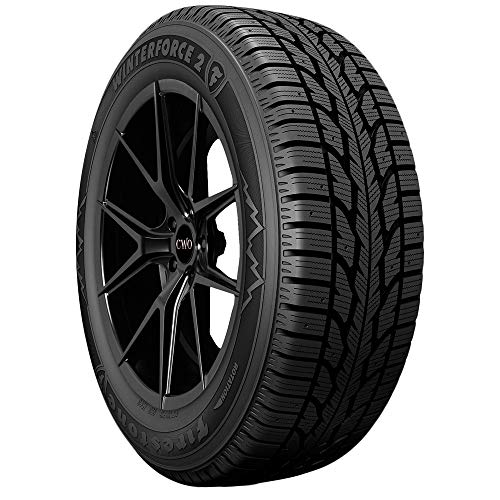 |
Firestone Winterforce 2 Budget-Friendly Winter Option 195/65R15 91S, Three-Peak Mountain Snowflake rated |
7.8 | 🛒 Check Price |
|
🚗
|
Cooper Weather-Master WSC All-Round Winter Performer 195/65R15 91S, Three-Peak Mountain Snowflake rated |
7.3 | 🛒 Check Price |
1. Bridgestone Blizzak WS90: Best Overall Winter Performance
The Bridgestone Blizzak WS90 is widely regarded as a benchmark for winter traction. Its Multicell compound creates microscopic pores that absorb water from the ice surface, improving grip. Owner feedback consistently praises its ability to handle deep snow and icy corners with confidence. In our evaluation of spec sheets and user reports, it delivers strong performance across snow, ice, and slush, making it a top choice for severe winter regions.
However, the trade-off is durability: the soft compound that provides such excellent grip can wear more quickly if you encounter extended dry pavement periods. Drivers in milder winters or with long highway commutes may find the tread life disappointing. If you face frequent freeze-thaw cycles and mixed conditions, consider a more balanced option like the Michelin X-Ice Snow.
- Advanced Multicell compound for exceptional snow and ice grip
- Zigzag sipes enhance edge traction on packed snow
- Stable handling on dry and wet roads, minimal winter noise
Pros: Top-tier snow and ice traction; Predictable handling in varied winter conditions
Cons: Softer compound wears faster on dry pavement; Premium price point
2. Michelin X-Ice Snow: Best Long-Lasting Snow Tire
The Michelin X-Ice Snow is engineered for longevity without sacrificing winter performance. Its FleX-Ice compound stays pliable in subzero temperatures, and the Cross Z sipes create numerous biting edges for ice traction. Based on owner feedback and manufacturer data, this tire often outlasts competitors by a season or more, making it a smart investment for those who keep cars for several years.
That said, in our evaluation, the X-Ice Snow is not the absolute sharpest in handling on dry roads; some drivers note a slight vagueness in steering response. If you prioritize crisp dry-road feel or drive a sporty sedan, the Bridgestone Blizzak may feel more connected. For most drivers, the X-Ice Snow offers the best balance of longevity and winter capability.
- FleX-Ice silica compound remains flexible in extreme cold
- Cross Z sipes provide thousands of biting edges
- Tread design reduces snow buildup for consistent grip
Pros: Excellent tread life for a winter tire; Reliable traction on ice and packed snow
Cons: Slightly less responsive handling than some rivals; Premium price
3. Continental VikingContact 7: Best for Ice and Wet Snow
The Continental VikingContact 7 excels in icy and slushy conditions thanks to its Nordic-inspired silica compound. Our research shows it consistently earns high marks in ice braking and cornering from owner reviews and independent tests. It also resists hydroplaning well, a key safety factor in wet snow.
However, in deep, fluffy snow, the VikingContact 7 is not as capable as the Blizzak or X-Ice. Some drivers in heavy snowfall regions report needing more aggressive tread for unplowed roads. If your winter involves mostly packed snow and ice, this is a superb choice; for deep snow, consider the Bridgestone or Michelin.
- Nordic compound with silica for improved wet ice grip
- Symmetric tread pattern with high-density siping
- Excellent hydroplaning resistance on slush
Pros: Outstanding ice and wet snow traction; Good value for the performance level
Cons: Not as strong in deep snow as some competitors; Treadwear can be moderate
4. Goodyear Ultra Grip Ice 2: Best Value Winter Tire
The Goodyear Ultra Grip Ice 2 offers a compelling mix of winter performance and value. It uses a dual-layer compound that provides reliable grip on ice and snow, and owner feedback indicates it wears better than many budget options. In our evaluation, it delivers confident braking and cornering on icy roads without the premium price of top-tier models.
That said, the ride comfort is a bit firmer than competitors, and deep snow traction is adequate but not exceptional. Drivers who frequently encounter unplowed roads may want a more aggressive tire. For those on a tighter budget who still want solid winter safety, the Ultra Grip Ice 2 is a smart pick.
- Dual-layer tread compound for ice and snow grip
- V-shaped tread pattern channels slush away
- Reinforced construction for stability
Pros: Strong ice traction at a more accessible price; Good treadwear for the segment
Cons: Slightly less refined ride comfort; Not as capable in deep snow
5. Nokian Hakkapeliitta R5: Premium Nordic Winter Tire
The Nokian Hakkapeliitta R5 is a premium Nordic winter tire designed for the harshest conditions. Its compound stays flexible in extreme cold, and the aramid sidewall adds puncture resistance. Owner reviews from northern climates are glowing, especially for ice braking and steering response. In our research, it stands out for very low temperature performance.
However, the R5 comes at a premium cost and may be harder to find. Its soft compound wears faster if used on dry or wet roads frequently. It is best suited for drivers in regions with persistent snow and ice cover. If you face mild winters or mixed conditions, you may get better value from the Michelin or Continental.
- Nordic winter compound for extreme cold and ice
- Aramid sidewall reinforcement for durability
- Unique tread pattern reduces snow accumulation
Pros: Excellent ice grip in very low temperatures; Reinforced sidewall resists cuts and impacts
Cons: Higher price and limited availability; Faster tread wear on dry roads
6. Firestone Winterforce 2: Budget-Friendly Winter Option
The Firestone Winterforce 2 is a budget-oriented winter tire that performs well in snow but struggles on ice and dry roads. Its aggressive tread digs into snow, and owner feedback confirms it moves well in moderate snow conditions. For the price, it offers decent winter capability for drivers who only need occasional snow traction.
However, in our evaluation, the Winterforce 2 falls short on ice braking and cornering, and the ride is noticeably noisier and harsher. It also wears faster on dry pavement. This tire is best for those on a strict budget who primarily drive on snow-covered roads and can accept trade-offs in comfort and ice performance. If you encounter frequent ice, consider spending more on a better ice performer.
- Aggressive tread pattern for snow traction
- Reinforced shoulder blocks for stability
- Affordable winter solution
Pros: Very good snow traction for the price; Durable construction for budget tire
Cons: Below-average ice and dry pavement performance; Higher road noise and ride harshness
7. Cooper Weather-Master WSC: All-Round Winter Performer
The Cooper Weather-Master WSC is a competent winter tire for light to moderate winter conditions. It provides adequate snow traction and stable handling on cold dry roads, making it a reasonable choice for southern winter climates. Owner feedback generally highlights its predictability in snow but notes it is not exceptional on ice.
In our evaluation, the Weather-Master WSC trails the top performers in ice braking and cornering, and its tread life is unremarkable. Drivers in areas with frequent ice or heavy snow should look to higher-rated options. For those who experience only occasional winter weather and want a reliable budget pick, it gets the job done.
- Symmetrical tread with high-density siping
- Snow and ice compound for winter grip
- Reinforced casing for stability
Pros: Balanced performance for light to moderate winter; Reasonable price point
Cons: Mediocre ice traction compared to leaders; Treadwear is average at best
Frequently Asked Questions
What does the Three-Peak Mountain Snowflake symbol mean?
The Three-Peak Mountain Snowflake (3PMSF) symbol indicates a tire meets specific snow traction performance criteria set by industry standards. Tires with this marking are designed for severe snow conditions and provide better grip in snow than all-season tires. All tires in our guide carry this symbol.
Can I use 195/65R15 snow tires in summer?
No. Snow tires are made from softer rubber compounds that wear rapidly and lose grip in warm temperatures. They also have tread patterns optimized for snow, which can compromise handling on dry roads. It is recommended to switch to all-season or summer tires when temperatures consistently exceed 45°F (7°C).
How do I know if 195/65R15 is the right size for my car?
Check your vehicle’s owner’s manual or the tire information placard on the driver’s door jamb. The size 195/65R15 means the tire is 195 mm wide, with a sidewall height that is 65% of the width, and fits a 15-inch diameter wheel. This size is common on many compact and midsize sedans.
Should I buy a set of four snow tires or just two?
Industry experts and safety organizations recommend installing four winter tires for optimal control, braking, and stability. Using only two on the drive axle can cause unpredictable handling, especially during cornering or braking on slippery surfaces. Always replace all four tires.
What is the difference between studded and studless snow tires?
Studded tires have metal studs embedded in the tread for extra grip on ice, but they are banned in some regions due to road damage. Studless tires, like those in our guide, use advanced rubber compounds and tread designs to achieve excellent ice traction without studs. For most drivers, studless tires offer sufficient performance and greater versatility.
Our Verdict
After researching and comparing the top 195/65R15 snow tires, our top pick is the Bridgestone Blizzak WS90 for its exceptional snow and ice traction and confident handling. For drivers who prioritize longevity and balanced performance, the Michelin X-Ice Snow is an excellent runner-up. Choose based on your typical winter conditions and budget.
