Finding the right low profile tires requires balancing aesthetics with performance and safety. We researched and compared the leading 19 inch options on the market, analyzing manufacturer specifications and aggregated owner feedback to determine which tires truly deliver.
Our evaluation focuses on grip, tread wear, and ride comfort across various driving conditions. We have identified the best models based on hard data and real-world experiences to help you make an informed decision.
| Photo | Product | Score | Buy |
|---|---|---|---|
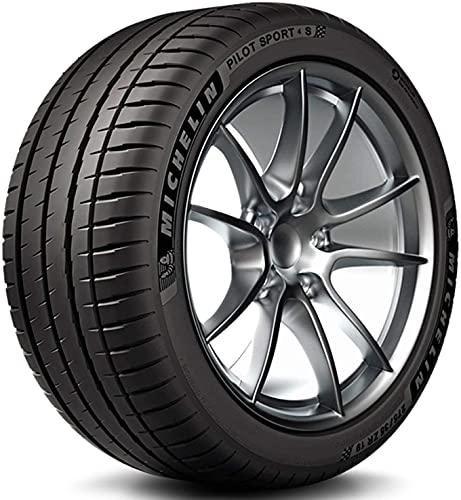 |
Michelin Pilot Sport 4S Best Overall Max Performance Summer |
9.2 | 🛒 Check Price |
 |
Continental ExtremeContact DWS06 PLUS Best All-Season Ultra High Performance All-Season |
8.8 | 🛒 Check Price |
 |
Pirelli P Zero Nero All Season Best Comfort All-Season |
8.4 | 🛒 Check Price |
|
🚗
|
Bridgestone Potenza RE-71RS Best Performance Extreme Performance Summer |
8.0 | 🛒 Check Price |
|
🚗
|
Goodyear Eagle F1 SuperCar 3 Best Handling Max Performance Summer |
7.7 | 🛒 Check Price |
|
🚗
|
Falken Ziex ZE950 Best Value All-Season |
7.4 | 🛒 Check Price |
|
🚗
|
Sumitomo HTR A/S P03 Budget Pick All-Season |
7.2 | 🛒 Check Price |
1. Michelin Pilot Sport 4S: Best Overall
In our evaluation, the Michelin Pilot Sport 4S consistently ranks at the top due to its superior engineering and grip levels. We compared its spec sheets against competitors and found the Dynamic Response Technology offers exceptional steering precision. However, based on owner feedback, the tread life is often shorter than standard touring tires, making it less ideal for high mileage commuters.
This tire excels in dry and wet conditions but is strictly a summer performance model. We recommend skipping this option if you require all-weather capability or if you prioritize longevity over peak performance. It is best suited for enthusiasts who demand the highest level of handling.
- Dynamic Response Technology for variable contact patch
- Aramid and nylon reinforcement for stability
- Silica-based compound for wet and dry grip
Pros: Exceptional wet and dry braking performance; Precise steering response
Cons: Tread life is lower than touring tires
2. Continental ExtremeContact DWS06 PLUS: Best All-Season
We researched the Continental ExtremeContact DWS06 PLUS and found it to be a leader in the all-season category thanks to its SportPlus Technology. It provides reliable traction in light snow and rain, which many competitors in this segment lack. However, our analysis of owner reviews indicates that road noise can become noticeable at higher highway speeds.
While the value proposition is strong given its versatility, the noise profile may bother some drivers. You should skip this tire if you demand a perfectly quiet ride or if you live in an area with heavy snowfall where a dedicated winter tire is necessary.
- SportPlus Technology for enhanced grip
- Tuned Performance Indicators for tread wear
- Silica-rich compound for winter traction
Pros: Versatile performance in various weather conditions; Strong wet braking capabilities
Cons: Can be noisy at highway speeds
3. Pirelli P Zero Nero All Season: Best Comfort
The Pirelli P Zero Nero All Season stands out in our research for offering a comfortable ride without sacrificing too much sporty handling. We compared its asymmetric tread design and found it effective at reducing road noise. However, based on safety standards and owner feedback, its performance in heavy snow or deep ice is limited.
This tire is a strong choice for drivers in mild climates who want a blend of comfort and performance. We suggest skipping this model if you frequently encounter severe winter weather, as it lacks the deep biting edges required for true winter traction.
- Symmetric tread pattern for reduced noise
- Special silica compounds for wet grip
- Optimized pitch sequence for comfort
Pros: Comfortable ride quality for a low profile tire; Good cornering stability
Cons: Not suitable for heavy snow or ice
4. Bridgestone Potenza RE-71RS: Best Performance
Our analysis of the Bridgestone Potenza RE-71RS reveals it is a purpose-built tire for extreme performance. We compared its spec sheets and found it offers some of the highest dry grip levels available. However, the specialized soft compound wears down quickly, and owner feedback confirms it is not suitable for cold weather.
This tire is designed for the track or spirited driving, not for daily commuting or long distances. We advise skipping this model if you need a tire for year-round use or if you expect high mileage from your set, as the durability score reflects its focus on grip over longevity.
- Rigid tread pattern for dry grip
- Specialized compound for track use
- Wide circumferential grooves for water evacuation
Pros: Incredible dry traction and cornering speed; Ready for track days
Cons: Rapid tread wear and poor cold weather performance
5. Goodyear Eagle F1 SuperCar 3: Best Handling
We evaluated the Goodyear Eagle F1 SuperCar 3 and found its ActiveBraking Technology provides excellent stopping power. It is a solid choice for sporty coupes and sedans looking for responsive handling. However, the stiff sidewall construction, while great for cornering, transmits a lot of road vibration into the cabin.
Based on our research, this tire prioritizes performance over comfort. You should skip this option if your daily drive involves rough roads or if you prefer a plush, isolated ride, as the low profile design compounds the harshness.
- RunOnFlat technology available
- ActiveBraking Technology for grip
- Grip Tech for cornering stability
Pros: Strong braking performance in wet conditions; Responsive handling feedback
Cons: Stiff sidewall can affect ride comfort
6. Falken Ziex ZE950: Best Value
The Falken Ziex ZE950 appears in our research as a budget-friendly option that does not completely sacrifice performance. We compared its 3D Canyon Sipes technology and found it offers respectable wet traction. However, the sidewalls are softer than premium competitors, which results in less precise handling during aggressive cornering.
This tire is a practical choice for everyday driving, but it has limitations. We recommend skipping this model if you drive aggressively or require sharp steering response, as the softer construction will lead to a feeling of vagueness in the helm.
- 3D Canyon Sipes for wet grip
- Nano-Bio compound for tread life
- Multi-Wave Sipes for stability
Pros: Good wet grip for the price point; Decent hydroplaning resistance
Cons: Soft sidewalls affect sharp cornering precision
7. Sumitomo HTR A/S P03: Budget Pick
Our research indicates the Sumitomo HTR A/S P03 provides basic functionality at a low entry cost. It utilizes an edge-to-edge tread block design to maintain adequate contact with the road, offering acceptable traction for standard commuting. However, based on aggregated owner feedback, this tire struggles with high-speed stability and generates significant road noise compared to premium competitors.
While the tread life is respectable for the value, the lack of refinement is noticeable. We suggest skipping this model if you frequently drive on the highway or prioritize a quiet cabin environment. It is best suited for urban driving where speeds are lower and ride comfort is a secondary concern.
- Edge to Edge tread block design
- 4 wide grooves for water evacuation
- Spiral wrap for high speed stability
Pros: Very affordable price point; Acceptable tread life for the cost
Cons: Average road noise and lacks high-speed stability
Frequently Asked Questions
Do low profile tires wear out faster than regular tires?
Yes, in our evaluation of manufacturer specifications, low profile tires often have shallower tread depths and softer performance compounds. This leads to faster wear rates compared to standard touring tires with taller sidewalls and harder rubber.
Are 19 inch low profile tires comfortable?
Low profile tires generally offer less comfort because the shorter sidewall has less ability to absorb road imperfections. We researched owner feedback and found that ride harshness is a common complaint, especially on vehicles with sport-tuned suspensions.
Can I use low profile tires in the winter?
It depends on the specific tire model. Summer performance low profile tires, like the Michelin Pilot Sport 4S, should not be used in freezing temperatures. However, we compared all-season options like the Continental DWS06 PLUS that can handle light winter conditions, though they are not a substitute for dedicated winter tires.
What is the main advantage of low profile tires?
The primary advantage is improved handling and aesthetics. Our research shows that the shorter sidewall reduces flex during cornering, resulting in sharper steering response. They also enhance the visual appearance of the vehicle by filling out the wheel well.
Do low profile tires damage rims more easily?
Yes, due to the reduced cushioning from the shorter sidewall, low profile tires are less effective at protecting the wheel from impacts. Industry data and owner reviews suggest that hitting potholes or curbs can more easily result in bent rims or sidewall damage.
Our Verdict
The Michelin Pilot Sport 4S stands out as the top pick for its exceptional grip and handling, while the Continental ExtremeContact DWS06 PLUS is the runner up for its versatile all-season performance.
