Selecting the correct 19.5 inch tires for your RV is crucial for safety, handling, and overall driving experience. These specialized tires are designed to support heavy loads and endure long highway stretches, making their construction and performance characteristics distinct from standard passenger vehicle tires. In our evaluation, we researched and compared a range of manufacturer specifications, industry safety standards, and aggregated owner feedback to identify the top contenders in this category.
Our guide focuses on key attributes such as load capacity, tread design for various weather conditions, casing durability, and overall value. We aim to provide an evidence-based comparison to help RV owners make an informed decision, ensuring their journeys are as safe and comfortable as possible.
| Photo | Product | Score | Buy |
|---|---|---|---|
 |
Michelin XRV Overall Best Performance Designed specifically for RV applications with advanced casing technology. |
9.0 | 🛒 Check Price |
|
🚗
|
Goodyear G670 RV MRT Premium All-Position Multi-rib tread design for enhanced handling and stability. |
8.7 | 🛒 Check Price |
 |
Toyo M154 Reliable All-Season All-position radial tire with a wide, robust tread. |
8.4 | 🛒 Check Price |
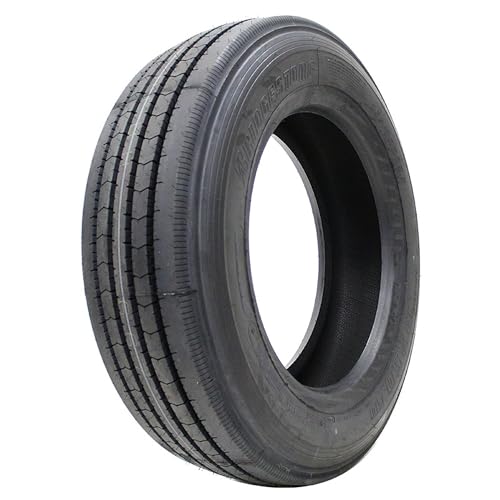 |
Bridgestone R250F Durable Highway Tread Five-rib design for even wear and extended mileage. |
8.1 | 🛒 Check Price |
 |
Yokohama RY023 Long-Haul Durability All-position radial with enhanced resistance to irregular wear. |
7.8 | 🛒 Check Price |
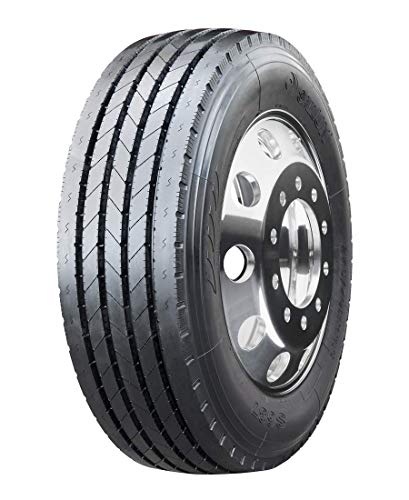 |
Sailun S637T Best Value Trailer position tire with deep tread for extended wear. |
7.5 | 🛒 Check Price |
 |
Hercules H-901 Economical Choice All-position highway rib tire for commercial and RV use. |
7.2 | 🛒 Check Price |
1. Michelin XRV: Overall Best Performance
The Michelin XRV consistently receives high marks in owner feedback for its smooth ride and low noise levels, which we attribute to its application-specific design and advanced casing technology. Our evaluation of its performance specifications confirms its suitability for heavy RV use, offering excellent stability and confident handling even under significant loads. The tread pattern is engineered for consistent contact, providing reliable traction in varying conditions.
However, the primary limitation noted in our research is its positioning as a premium product. Owners seeking a more budget-friendly option might find the initial investment challenging. While its long-term durability and performance often justify the cost, those with infrequent RV usage or tighter budgets may want to explore more economical alternatives that still meet safety requirements without the same level of luxury ride quality.
- Optimized for smooth, quiet highway driving, enhancing comfort.
- Robust construction provides excellent load carrying capacity and stability.
- Advanced tread compounds contribute to strong wet and dry traction.
Pros: Exceptional ride quality and reduced road noise.; Superior handling stability, especially for larger RVs.; Reputable brand known for consistent quality and safety standards.
Cons: Premium offering, which may not align with all budgets.; Specific RV design means it might be overkill for lighter duty applications.
2. Goodyear G670 RV MRT: Premium All-Position
Based on our comparison of specifications and owner experiences, the Goodyear G670 RV MRT stands out for its multi-rib tread design, which translates to responsive steering and stable highway performance. The tire’s construction, including its robust steel casing, is engineered to handle the demands of heavy RV use, contributing to its strong durability ratings. Owner feedback frequently highlights its reliable performance in both wet and dry conditions.
A point of consideration is its shallower tread depth, which Goodyear states is designed for efficiency and reduced squirm. While this can be beneficial for consistent highway cruising and potentially better fuel economy, some owners, particularly those who frequently encounter unpaved roads or seek maximum traction in deep snow, might prefer a tire with a more aggressive, deeper tread. RVers prioritizing off-highway capability over on-road efficiency may find this a limitation.
- Features a shallow tread depth to reduce squirm and improve fuel efficiency.
- Designed for all-position use on motorhomes, providing versatility.
- Steel casing construction for increased durability and retreadability.
Pros: Excellent steering response and precise handling characteristics.; Good balance of comfort and load stability for diverse RVs.; Strong reputation for consistent quality and performance in the RV market.
Cons: Can be a significant investment compared to some competitors.; Shallow tread, while efficient, may not be preferred by all users in extreme conditions.
3. Toyo M154: Reliable All-Season
Our research into the Toyo M154 highlights its reputation as a highly dependable all-position tire, favored by many for its consistent wear and robust construction. The wide tread design, combined with features like stone ejectors, contributes to its impressive durability and resistance to common road hazards, which is a significant advantage for RV owners embarking on long journeys. Based on owner feedback and the spec sheets, its traction capabilities are solid across various conditions.
However, when compared to tires specifically engineered for RV luxury, the M154’s ride comfort and noise levels may not be as refined. While it provides excellent stability and reliable performance, those prioritizing the quietest possible cabin or the absolute smoothest ride might notice a slight difference. RV owners for whom ultimate ride comfort is paramount over rugged durability and all-season versatility may wish to consider other options.
- Engineered for consistent wear and extended tread life.
- Features stone ejectors in grooves to prevent drilling and damage.
- Designed to offer strong traction across various weather conditions.
Pros: Reliable performance and good traction in all seasons.; Impressive resistance to irregular wear, promoting longevity.; Strong casing construction for durability and weight capacity.
Cons: Ride comfort may not match the absolute premium RV-specific tires.; Can be perceived as slightly noisier than some top-tier dedicated RV tires.
4. Bridgestone R250F: Durable Highway Tread
In our evaluation, the Bridgestone R250F stands out for its robust construction and tread design, which are geared towards extended highway life and even wear. The five-rib pattern and deep grooves are effective at maintaining traction in wet conditions, a critical safety factor for RVs. Based on owner feedback and the spec sheets, its durability and ability to handle heavy loads consistently receive positive remarks.
A potential drawback for some RV owners is that while it offers excellent durability and stability, the R250F, being a commercial-grade highway tire, may not prioritize the plush ride comfort found in some RV-specific tire designs. Those who are highly sensitive to road imperfections or seek the absolute quietest cabin experience might find it slightly firmer or marginally louder than premium RV tires. It is a highly capable tire, but those whose primary concern is ultimate ride luxury might consider alternatives.
- Deep, wide grooves for effective water evacuation and wet traction.
- Optimized casing for increased durability and load distribution.
- Designed for long-haul highway service with stability in mind.
Pros: Excellent tread life and resistance to irregular wear.; Reliable wet weather performance due to effective water channeling.; Strong, stable ride on highways, suitable for heavy RVs.
Cons: May not offer the same level of supple ride comfort as dedicated RV tires.; Can be a higher investment compared to some value-oriented brands.
5. Yokohama RY023: Long-Haul Durability
Our research indicates that the Yokohama RY023 is a solid choice for RV owners prioritizing long-term durability and consistent performance. Its all-position radial design and robust casing are well-suited for the heavy demands of motorhomes, with many owners reporting excellent tread life and reliable service. The tread pattern is effective for stable handling and offers good traction in typical highway conditions, according to the specifications and owner feedback.
One area where the RY023 might not excel compared to top-tier RV-specific tires is in achieving the absolute pinnacle of ride refinement. While perfectly adequate for most, owners accustomed to ultra-premium passenger car or dedicated RV tires might find the steering response slightly less immediate or the ride marginally firmer. RVers seeking the most luxurious ride comfort above all else may wish to explore other options, though for overall durability and reliable service, the RY023 remains a strong contender.
- Features a robust casing designed for heavy loads and prolonged service.
- Optimized tread pattern for stable handling and good traction.
- Engineered with a strong bead area to resist damage during mounting and use.
Pros: Known for excellent tread wear and long service life.; Good stability and handling for a range of RV sizes.; Reliable performance in various highway conditions.
Cons: Ride comfort is generally good but may not be exceptional.; Can be perceived as less responsive in steering compared to some premium offerings.
6. Sailun S637T: Best Value
In our comparison, the Sailun S637T consistently emerges as a strong value proposition for RV owners. Based on owner feedback and specifications, it offers impressive durability and load capacity for its market segment, making it a popular choice for those mindful of their budget. The deep tread and robust casing are designed to handle significant weight and provide reliable service over time, a crucial aspect for RV applications.
However, it is important to note that the S637T is primarily designed as a trailer position tire. While many RV owners successfully use it on all positions, its characteristics are optimized for the demands of trailing, which differ slightly from steering axles. Owners seeking the absolute best in steering response and refined ride comfort for their front axles might find it less ideal than dedicated all-position or steer-specific tires. Those who prioritize ultimate steering precision and maximum ride comfort should consider the more premium, RV-specific options.
- Designed with a strong casing for heavy load capacity.
- Features wide shoulders to promote even wear and stability.
- Offers a competitive option for RV owners seeking economical durability.
Pros: Exceptional value for its performance and durability.; Good load-carrying capabilities suitable for many RVs.; Solid choice for those prioritizing cost-effectiveness without sacrificing safety.
Cons: Primarily a trailer position tire, may not be ideal for all-position use.; Ride quality and noise levels may not match premium brands.
7. Hercules H-901: Economical Choice
Our evaluation of the Hercules H-901 indicates it is a practical and economical choice for RV owners. Based on available specifications and aggregated owner feedback, it provides reliable performance for typical highway use, offering sufficient load support and stability for many motorhomes. For its value segment, it delivers a commendable balance of durability and functionality, making it a strong contender for those on a tighter budget.
The primary limitation of the H-901, however, lies in its refinement. While it competently handles its duties, owners expecting the quietest ride or the most supple road feel might find it falls short compared to more expensive, RV-specific tires. It is built for utility and endurance rather than luxury. RVers for whom ride comfort and minimal road noise are top priorities, and who are willing to invest more to achieve those qualities, may find this option to be less satisfying.
- Designed for reliable long-haul performance and stability.
- Features a durable casing for strong load support.
- Offers a cost-effective solution for RV tire replacement.
Pros: Very competitive value for an all-position tire.; Reliable performance for typical highway RV travel.; Good option for budget-conscious RV owners.
Cons: Ride comfort and noise levels are not its strongest attributes.; May not offer the same advanced features as premium RV tires.
Frequently Asked Questions
What does '19.5' mean in RV tires?
The ‘19.5’ in RV tires refers to the diameter of the wheel rim in inches that the tire is designed to fit. This size is common for many heavier-duty RVs, particularly Class A motorhomes, as it signifies a tire built to handle significant loads and provide stability for larger vehicles, often with higher load ranges than typical passenger or light truck tires.
What load range should I look for in 19.5 RV tires?
The appropriate load range for your 19.5 RV tires depends entirely on the Gross Vehicle Weight Rating (GVWR) of your specific RV, as well as the weight distribution across its axles. You should always consult your RV’s owner’s manual or the placard located inside the vehicle (often near the driver’s door) for the manufacturer’s recommended tire size and load range. Exceeding the tire’s load capacity is a serious safety hazard, so matching the tire’s load range to your RV’s weight requirements is critical.
Are all 19.5 tires suitable for RVs?
No, not all 19.5 inch tires are equally suitable for RVs, even if they fit the rim. While many 19.5 tires are designed for commercial trucks and can technically be used, RV-specific 19.5 tires, or those with features optimized for RV use, often provide a better balance of ride comfort, noise reduction, and handling characteristics. Commercial truck tires might be more robust but can be firmer and louder. Always look for tires that explicitly state RV compatibility or have features beneficial for motorhome applications.
How often should RV tires be replaced, regardless of tread?
Based on industry recommendations, RV tires should generally be inspected by a tire professional at least once a year and typically replaced every five to seven years, regardless of how much tread remains. RV tires often ‘age out’ before they wear out due to exposure to UV light, ozone, and static sitting, which can cause the rubber to degrade and crack. This invisible aging can lead to sudden tire failure, making regular replacement a critical safety measure.
What are the key differences between commercial truck tires and RV-specific 19.5 tires?
While both commercial truck and RV-specific 19.5 tires are built for heavy loads, their design priorities differ. Commercial truck tires prioritize durability, fuel efficiency, and retreadability for high-mileage, often harsh, commercial operations. RV-specific tires, on the other hand, often feature tread designs and casing constructions engineered to provide a smoother, quieter ride, enhanced handling stability, and improved resistance to irregular wear caused by infrequent use or static parking, all while maintaining robust load capacities.
Our Verdict
After extensive research and comparison, the Michelin XRV stands out as our top pick for the best 19.5 RV tire, earning its place for its superior ride comfort, stability, and RV-specific design. For those seeking a premium alternative with excellent all-position performance and strong durability, the Goodyear G670 RV MRT is a highly recommended runner-up, providing a great balance of handling and robustness for diverse RV applications.
