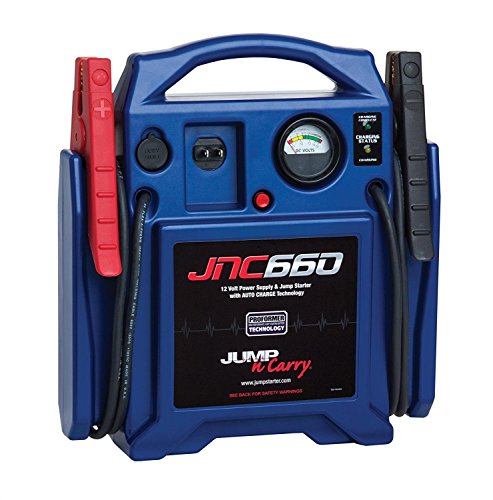
Choosing a car battery often comes down to two main families: absorbed glass mat (AGM) and traditional flooded lead acid. Both store energy through the same basic lead and acid chemistry, yet they behave very differently in daily driving, charging, and long-term durability. AGM batteries seal the acid into glass fiber mats for a spill-proof, deep-cycle tolerant design, while flooded lead acid keeps the acid as a free liquid in a vented case. This guide breaks down how they differ, what each does well, and which one your vehicle actually needs. If you also want a backup power source for a weak battery, see our roundup of the best jump starters.
What AGM and Flooded Lead Acid Batteries Actually Are
A flooded lead acid battery is the classic design that has powered cars for over a century. Lead plates sit submerged in a free-flowing liquid electrolyte, a mix of sulfuric acid and water. Because the acid is loose inside the case, these batteries must be mounted upright and need vent paths so gases produced during charging can escape safely.
An AGM battery uses the same lead and acid chemistry but absorbs the electrolyte into thin glass fiber mats packed tightly between the plates. The case is sealed and valve regulated, so there is no free liquid to leak or spill. This construction lets AGM batteries handle vibration, repeated deep discharges, and high electrical demand far better than a conventional flooded unit, which is why they appear in more modern vehicles.
Cost, Maintenance, and Spill Resistance
Flooded lead acid batteries remain the budget-friendly and widely proven choice. They are simple, easy to source anywhere, and accepted by nearly every basic vehicle. The trade-off is that some flooded designs need occasional attention, such as checking electrolyte levels on serviceable models, and they require ventilation because charging releases hydrogen gas. Their loose acid also makes them vulnerable to leaks if the case cracks or the battery tips.
AGM batteries cost more upfront because of their sealed, vibration-resistant build. In return they are essentially maintenance free, spill-proof, and safe to mount in tight or unusual positions where a vented flooded battery would not be allowed. For drivers who value a clean, worry-free install and resistance to acid leaks, AGM offers a clear practical advantage that helps justify the higher purchase outlay.
Lifespan and Cycle Tolerance
Cycle tolerance describes how many times a battery can be drained and recharged before it wears out. This is where AGM pulls clearly ahead. The tightly packed mats hold the active material firmly against the plates, so AGM batteries tolerate deeper discharges and repeated cycling without rapid capacity loss. That makes them well suited to cars that draw heavy power even when the engine is off.
A standard flooded lead acid battery is built mainly for shallow cycling: start the engine, then recharge while driving. Run it deeply flat over and over and it degrades quickly, since the active material can shed off the plates. Under similar demanding conditions an AGM battery generally lasts longer and holds its starting power more consistently, though real-world lifespan still depends on climate, charging health, and driving habits.
Charging Differences You Should Know
Charging is one of the most important practical differences between these two types. Flooded lead acid batteries are forgiving and work with most basic chargers and alternators using standard voltage settings. AGM batteries are more sensitive and prefer a controlled charging profile with the correct voltage limits, because overcharging can dry out the sealed mats and shorten their life.
Modern smart chargers usually include a dedicated AGM mode that applies the right voltage and tapering curve. If you switch from flooded to AGM, confirm that your vehicle charging system or external charger supports AGM settings. Many newer cars with start-stop technology are already calibrated for AGM, so matching the battery type to the charging system keeps both running at their best.
Which Battery Does Your Car Need
If you drive an older or simpler vehicle without start-stop and few power-hungry accessories, a quality flooded lead acid battery is often all you need. It is affordable, dependable, and easy to replace. For basic starting duty in a vented battery tray, the proven flooded design continues to serve millions of cars reliably.
Choose AGM when your vehicle came with one from the factory, runs start-stop, or carries heavy electrical loads such as large audio systems, winches, or extensive accessories. Start-stop cars in particular cycle the battery far more than a traditional engine, so AGM durability matters. The safest rule is to match or upgrade to the battery type your manufacturer specifies, and never downgrade an AGM-equipped car to a plain flooded battery without confirming compatibility.
Frequently Asked Questions
Can I replace a flooded lead acid battery with an AGM battery?
In most cases yes, since AGM batteries fit standard battery trays and terminals. The key check is your charging system, because AGM batteries prefer the correct voltage profile. Many vehicles handle the swap without issue, but confirm your alternator or charger supports AGM settings, especially on older cars not designed for it.
Do AGM batteries last longer than lead acid batteries?
Generally yes, particularly in demanding conditions. AGM batteries tolerate deeper discharges, repeated cycling, and vibration better than standard flooded batteries, so they often hold their starting power longer. Actual lifespan still depends on climate, charging health, and how heavily the battery is cycled in daily use.
Does a start-stop car require an AGM battery?
Most start-stop vehicles are designed around AGM batteries because the engine cycles on and off constantly, which drains and recharges the battery far more often. Fitting a plain flooded battery in a start-stop car can lead to early failure and warning lights, so matching the manufacturer-specified type is strongly recommended.
The Bottom Line
Both AGM and flooded lead acid batteries rely on the same dependable chemistry, but they suit different needs. Flooded lead acid stays the affordable, proven pick for simpler cars with basic starting demands and a vented battery tray. AGM steps up with a sealed, spill-proof, vibration-resistant design that tolerates deep cycling and heavy accessory loads, making it the right match for start-stop vehicles and power-hungry setups, just with more careful charging and a higher upfront cost. When in doubt, follow your manufacturer specification and never downgrade an AGM-equipped car to a plain flooded battery. If you want insurance against a flat battery, a quality portable jump starter is a smart companion to whichever type you choose.
Related Guides
- 7 Best Portable Jump Starters (Researched and Compared)
- 7 Best Portable Jump Starters for Cars in 2026 (Researched and Compared)
- 7 Best Capacitor Jump Starters (Researched and Compared)
- Why Your Jump Starter Wont Charge or Hold a Charge
- Best Heavy Duty Jump Starters (Researched and Compared)
- 7 Best Car Jump Starter Packs (Researched and Compared)
