Few things are as frustrating as walking out to your car and finding the engine will not crank because the battery is flat again. A battery that keeps dying is almost always a symptom of an underlying problem rather than just bad luck, and the good news is that most causes are easy to track down once you know what to look for. The trouble usually falls into one of a handful of categories: something is quietly draining power while the car sits, the battery itself is worn out, the alternator is not charging properly, or the way you drive simply never lets the battery fully recharge.
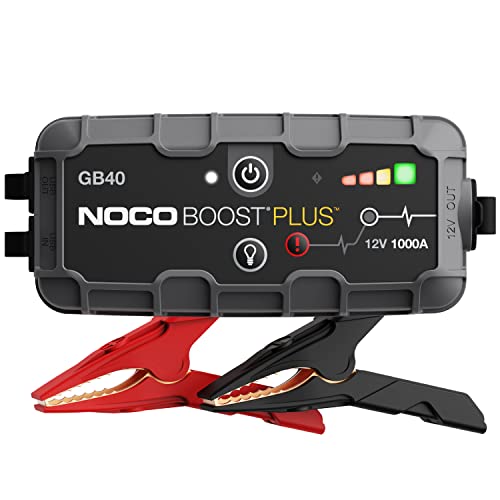
This guide walks through every common reason a car battery repeatedly goes dead, shows you how to diagnose each one with basic tools, and explains the practical fix so you can stop relying on a jump every morning. Keeping a quality jump starter on hand is still smart insurance while you chase down the cause, and you can compare options in our roundup of the best jump starters.
Parasitic Draw: Something Is Draining Power While Parked
A parasitic draw happens when an electrical component keeps pulling current after you switch off the engine and lock the car. Every vehicle has a small normal draw to keep the clock, alarm, and computer memory alive, usually under 50 milliamps. When that figure climbs because of a stuck relay, a glovebox or trunk light that never turns off, an aftermarket stereo, a faulty module, or a dashcam wired to constant power, the battery can be drained flat overnight or over a few days of sitting.
To diagnose a parasitic draw, let the car sit with everything off for about an hour so the modules go to sleep, then set a multimeter to measure current in series between the negative battery terminal and the cable. A reading much above 50 milliamps points to a draw. From there you pull fuses one at a time and watch the meter drop to find the offending circuit. The fix depends on what you find, whether that is replacing a bad relay, fixing a switch on an interior light, or properly wiring an accessory through a switched source instead of constant power.
An Old or Failing Battery That Cannot Hold a Charge
Car batteries wear out. Most lead acid batteries last three to five years, and heat, vibration, and repeated deep discharges shorten that lifespan considerably. As a battery ages, the internal plates degrade and it loses the ability to hold a full charge, so even a healthy charging system cannot keep it topped up. A battery near the end of its life may start the car fine on a warm afternoon yet fail completely on a cold morning when more cranking power is needed.
Check the date code stamped on the case to see how old it is, then run a load check on the battery. Many auto parts stores will check it for free, or you can use a dedicated battery tester that reports cold cranking amps and state of health. If the measured capacity has fallen well below the rating, or the battery is swollen, leaking, or more than four or five years old, replacement is the only real fix. Trying to nurse a worn out battery along with constant charging only delays the inevitable.
A Faulty Alternator That Is Not Recharging the Battery
The alternator recharges the battery and powers your electronics while the engine runs. If it fails or underperforms, the car draws down the battery faster than it can be replenished, and eventually there is not enough charge left to start. Warning signs include dim or flickering headlights, a battery warning light on the dash, electrical accessories acting strangely, or a battery that goes dead again within a day or two of being charged or replaced.
To test the alternator, start the engine and measure voltage across the battery terminals with a multimeter. A healthy charging system typically reads around 13.8 to 14.4 volts at idle. A reading that stays near 12 volts or lower means the alternator is not charging, while wildly fluctuating voltage suggests a failing voltage regulator or worn brushes inside the unit. A loose or glazed drive belt can also rob charging output. The fix ranges from tightening or replacing the belt to rebuilding or replacing the alternator itself.
Corroded or Loose Battery Terminals
Sometimes the battery and alternator are both fine, but a poor connection at the terminals chokes the flow of current. Corrosion shows up as a white, blue, or greenish crusty buildup on the battery posts and clamps. This layer adds resistance, which prevents the battery from charging fully and can stop enough current from reaching the starter, so the car may crank slowly or not at all even with a good battery.
Inspect the terminals for buildup and check that the clamps are tight and not wobbling on the posts. To clean them, disconnect the cables, negative first, and scrub the posts and clamps with a mix of baking soda and water or a dedicated terminal cleaner, then rinse and dry. Reconnect snugly and apply a thin coat of dielectric grease or a terminal protectant to slow future corrosion. This simple maintenance is free of parts in most cases and often restores reliable starting immediately.
Driving Habits and Weather: Short Trips, Lights Left On, and Temperature
How and when you drive has a big effect on battery health. Starting the engine uses a large burst of energy, and it takes a sustained drive for the alternator to put that charge back. If you only make short trips of a few minutes each, the battery never fully recharges and slowly drifts toward empty over days and weeks. The simplest fix is an occasional longer drive, or using a battery maintainer for cars that mostly sit.
Human error is just as common. Leaving headlights, interior lights, a dome light, or accessories powered while the engine is off will flatten a battery overnight, so build a habit of checking that everything is off before walking away. Weather matters too. Extreme cold reduces the chemical reaction inside the battery and thickens engine oil, demanding more cranking power, while extreme heat accelerates internal wear and fluid loss. If your car sits for long stretches or you face harsh seasons, a plug in battery maintainer keeps the charge topped up and dramatically extends battery life.
Frequently Asked Questions
How do I know if it is my battery or my alternator?
Charge or jump the car and measure voltage across the battery terminals with the engine running. Around 13.8 to 14.4 volts means the alternator is charging and the battery is likely the weak link, while a reading near 12 volts or lower points to a failing alternator. If a freshly charged or brand new battery dies again within a day, suspect the alternator or a parasitic draw rather than the battery.
Can leaving my car parked for a long time kill the battery?
Yes. Even with everything switched off, normal background draws from the alarm, clock, and computer memory slowly discharge a parked battery over days and weeks, and an older battery self discharges faster. For a car that sits regularly, a battery maintainer plugged in during storage keeps the charge topped up and prevents it from going flat.
Will a battery maintainer fix a battery that keeps dying?
A maintainer is excellent for cars that sit or only take short trips, since it keeps a healthy battery fully charged and ready. It will not, however, cure an underlying fault such as a worn out battery, a bad alternator, or a parasitic draw. Use a maintainer alongside fixing the root cause rather than as a substitute for the repair.
The Bottom Line
A battery that keeps dying is sending you a message, and the cause usually comes down to a parasitic draw, an aging battery, a weak alternator, corroded terminals, lights left on, short trips, or harsh temperatures. Work through them in order with a multimeter and a load test, and you can almost always pinpoint the culprit in an afternoon. Clean the terminals, confirm the alternator is charging, and replace the battery if it has aged out, then add a battery maintainer if your car spends a lot of time parked.
While you sort out the root cause, it pays to keep a reliable backup so a dead battery never strands you. Compare proven options in our guide to the best jump starters and drive with peace of mind.
Related Guides
- Best 12V Jump Starters (Researched and Compared)
- 7 Best Car Jump Starter Packs (Researched and Compared)
- 7 Best Auto Jump Starters (Researched and Compared)
- 7 Best Portable Jump Starters for Cars (Researched and Compared)
- 7 Best Compact Car Jump Starters (Researched and Compared)
- 7 Best Jump Starters with Air Compressors (Researched and Compared)
