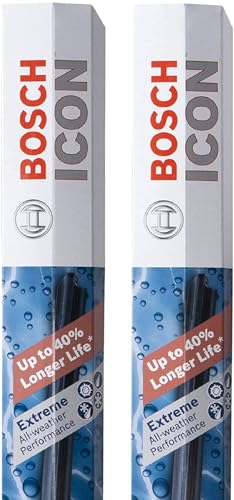
If your fresh wiper blades smear across the glass, the cause is often a protective coating left on the new rubber, a waxy windshield, a skipped break-in period. Most new blades arrive with a thin film on the rubber edge. They may also glide over a windshield that still carries old wax, road grime, rain repellent. Until that film is gone, plus the edge beds in, you can see streaks even on a brand new product.
The good news is that nearly every streaking case clears up at home in a few minutes with basic cleaning. To start fresh, a quality set of blades paired with a clean windshield gives you the best shot at silent, clear wipes from day one.
Why brand-new blades can streak
Streaking on a new blade rarely means the blade is broken. The most frequent reason is a thin manufacturing film coating the rubber edge. This film keeps the rubber supple in the package, yet it also stops the edge from making full contact with the glass, so it skips, leaving lines.
The windshield itself is the second big factor. Old wax, silicone rain repellent, bug residue, oily road spray build a slick layer that fresh rubber cannot cut through cleanly. The blade glides over the film instead of sweeping water off it. A third reason is the break-in period. New rubber needs a short bedding-in window before the edge conforms perfectly to the curve of your glass. Add cold weather, which stiffens rubber, plus a blade that is slightly mismatched in length for your model, then a brief streak phase becomes normal at first.
Step-by-step: fixing streaky new blades
Work through these steps in order. Most streaking disappears before you reach the end.
- Lift the wiper arm away from the glass, then wipe the new rubber edge with a clean cloth dampened in isopropyl alcohol. Run it along the full length a few times to strip off the protective coating.
- Clean the windshield thoroughly to remove wax, film. Use glass cleaner with a microfiber towel, then go over stubborn spots using an alcohol-dampened cloth so no oily residue is left behind.
- Top up your washer fluid, then run a few wet wipe cycles to break in the blades. The mix of fluid plus motion lets the edge bed into the glass curve.
- Inspect the wiper arm. Make sure it presses the blade flat against the glass, with the blade clipped in fully. A loose arm keeps the edge from full contact.
- Recheck in the next light rain. If a faint line remains, repeat the alcohol wipe once more.
Tools and products you may need
You do not need much to clear up a streaking blade. A short list of basics covers almost every case:
- Isopropyl alcohol to clean the rubber edge, plus lift film from the glass.
- A clean microfiber cloth for the blade, another for the windshield.
- Automotive glass cleaner to cut wax, oily road grime.
- Fresh washer fluid so your break-in cycles run wet, not dry.
- A clay bar for a heavily contaminated windshield that still smears after cleaning.
If the rubber is already cracked, torn, hardened, no amount of cleaning fixes it, so a fresh set is the answer. A reliable upgrade pick is the best windshield wipers for your vehicle, fitted plus cleaned the same day.
Mistakes to avoid
A few common slip-ups keep new blades streaking longer than they should. Steer clear of these:
- Skipping the alcohol wipe on the new rubber, which leaves the protective film in place.
- Cleaning the glass with a dry towel that just smears oil around instead of lifting it.
- Running the blades dry on a parched windshield, which scrapes the rubber, plus the glass.
- Touching the rubber edge with bare oily fingers after you clean it.
- Using household products with added oils that coat the glass again.
- Forgetting to check the wiper arm tension, so the edge never sits flat.
When a defective blade is the cause
Most of the time a clean plus break-in solves the problem, yet a small share of blades arrive faulty. Look for a visibly warped frame, a rubber edge that is split straight out of the box, a blade that chatters in the exact same spot after a full cleaning plus break-in.
Damage from rough shipping, long shelf storage, can harden the rubber before you ever fit it. If one half of the wipe stays clean while the other smears no matter what you do, the blade itself is the likely fault. In that situation, return it under warranty, swap it for a fresh unit, rather than fighting a part that cannot seal against the glass.
Frequently Asked Questions
Do new wiper blades need to be broken in?
Yes. Fresh rubber needs a short bedding-in period so the edge conforms to your windshield curve. Running a few wet wipe cycles after cleaning the glass speeds this up, usually clearing any early streaking.
Should I wipe new wiper blades with alcohol?
Wiping the rubber edge with isopropyl alcohol removes the protective film left from manufacturing. This is one of the most effective first steps to stop a brand new blade from smearing.
Why do my wipers streak even after cleaning the glass?
If streaks persist, the rubber edge may still carry coating, the arm tension may be low, the blade itself could be defective. Re-wipe the edge with alcohol, confirm the arm presses flat, then replace the blade if it still smears.
The Bottom Line
New blades that streak almost always trace back to a protective film on the rubber, a waxy windshield, a skipped break-in, so all three clear up at home in minutes. Wipe the edge with alcohol, deep-clean the glass, then run a few wet cycles to bed the blades in. Recheck the arm tension plus the rubber for damage if lines linger. When the problem is a faulty part, swapping in a set of reliable replacement blades on a clean windshield is the fastest route to clear, quiet wipes.
Related Guides
- What Do the Different Wiper Settings Mean?
- 7 Best Silicone Wiper Blades (Researched and Compared)
- 7 Best Rear Windshield Wipers (Researched and Compared)
- 7 Best Wiper Blades for Car (Researched and Compared)
- 7 Best Wiper Blades (Researched and Compared)
- 7 Best All Season Windshield Wipers (Researched and Compared)
