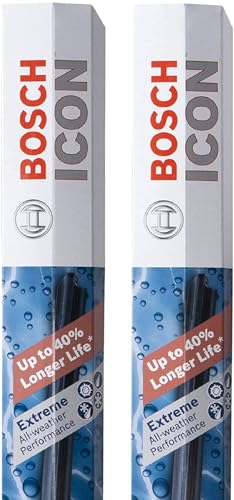
Few things grate on your nerves like wipers that squeak, thump or screech across the glass every time it rains. The good news is that loud wiper blades are almost always caused by something simple, and most fixes take just a few minutes in your driveway. Once you know what to look for, you can stop the noise and protect your visibility at the same time.
This guide walks through the common reasons wipers get loud, an easy step-by-step routine to quiet them, and the point where upgrading to a quieter set of blades makes more sense than fighting the noise. By the end you will know exactly what is making the racket and how to silence it.
What Makes Wipers Squeak, Thump or Screech
Wiper noise comes from a few predictable sources, and the sound itself often hints at the cause. A high squeak usually means the rubber is dragging across dry glass instead of gliding on a thin film of water. A rhythmic thump or chatter as the blade reverses direction points to hardened or warped rubber that flips over instead of flexing smoothly. A harsh screech can come from grit or a waxy film on the glass that the blade keeps catching on.
Hardened rubber is the most frequent culprit. Sun, heat and ozone slowly stiffen the wiping edge until it can no longer hug the curved windshield. A waxy buildup from car wash products or rain repellent can also leave the glass too slick in spots and too sticky in others, which makes the blade stutter. Finally, a loose or slightly bent wiper arm changes the angle of the blade so it presses unevenly, creating noise on one side of the sweep.
Step-by-Step Guide to Quieting Them
Work through these steps in order. Most loud wipers go quiet after the first two.
- Clean the blade and glass. Wipe the rubber edge with a damp cloth dipped in mild soapy water until no dirt transfers. Then scrub the windshield with glass cleaner to lift off road film and old wax.
- Use washer fluid, not a dry sweep. Running blades on dry glass is the fastest way to make them screech. Always wet the windshield first so the rubber has a film to ride on.
- Replace hardened blades. Drag a fingertip along the edge. If it feels stiff, cracked or leaves streaks, the rubber is done and fresh blades are the real fix.
- Tighten the arm. Gently check that the wiper arm sits flat and the pivot nut is snug. A loose arm twists the blade and brings the noise straight back.
Tools and Products You May Need
You do not need a full toolkit to quiet noisy wipers. A microfiber cloth, glass cleaner and a bottle of windshield washer fluid handle most of the routine cleaning. A bit of fine grade rubbing alcohol on a cloth helps strip stubborn wax from the rubber edge without damaging it.
For the arm, a small open-end wrench or a pair of pliers covered with a rag is enough to snug the pivot nut without scratching paint. When cleaning no longer does the job, a fresh set of blades is the part that matters most. If you are shopping, our roundup of the best windshield wipers can point you toward smooth, quiet options that fit common vehicles.
Mistakes to Avoid
A few habits make wiper noise worse or bring it straight back. Steer clear of these:
- Running wipers on a dry windshield. This wears the rubber fast and almost guarantees a screech.
- Using household cleaners with ammonia on the rubber. They dry out and crack the wiping edge over time.
- Bending the blade to force a better fit. This warps the frame and ruins even contact with the glass.
- Ignoring streaks for months. Worn rubber only gets noisier and leaves smears that hurt visibility in rain.
- Forgetting the rear blade. On hatchbacks and SUVs the back wiper often gets neglected and turns loud first.
When a Quiet Beam or Silicone Blade Is the Fix
Sometimes cleaning and tightening only buys a little quiet, and the blade goes back to chattering within a week. That is the signal to upgrade rather than keep cleaning. Beam-style blades use a single curved spring along their length instead of a metal frame, so they press evenly across the whole glass and resist the flutter that causes thumping at higher speeds.
Silicone blades take it a step further. The silicone edge stays flexible far longer than standard rubber and tends to lay down a thin water-repellent film as it sweeps, which keeps the glass slick and the motion quiet. Both styles cost a little more than basic blades, but for a car that lives outdoors or sees a lot of rain, the smoother, quieter sweep is usually worth it.
Frequently Asked Questions
Why do my wipers squeak only when the windshield is almost dry?
On a nearly dry windshield the rubber loses the thin film of water it needs to glide, so it grabs and releases the glass and squeaks. Spray washer fluid before the next sweep and the noise should stop right away.
Can dirty glass really make wipers loud?
Yes. Road film, bug residue and old wax leave a sticky, uneven surface that the blade catches on. Cleaning the windshield thoroughly with glass cleaner often quiets wipers without any new parts.
How often should I replace my wiper blades?
Most blades last six months to a year, sooner in harsh sun or heavy use. If they streak, skip, chatter or feel stiff along the edge, it is time for a fresh set regardless of the calendar.
The Bottom Line
Loud wipers are usually telling you something simple: the glass is dry or dirty, the rubber has hardened, or the arm has worked loose. Clean the blade and windshield, always wet the glass before a sweep, and snug the arm if it wobbles. Those few minutes solve the noise most of the time. When the rubber is cracked and stiff, a set of quiet replacement blades, especially beam or silicone styles, is the lasting fix that keeps your view clear and your drive peaceful.
Related Guides
- 7 Best Wiper Blade Refills (Researched and Compared)
- 7 Best Wiper Blades for Tesla Model Y (Researched and Compared)
- 7 Best All Season Wiper Blades (Researched and Compared)
- 7 Best Heated Wiper Blades (Researched and Compared)
- 7 Best Value Wiper Blades (Researched and Compared)
- 7 Best Wiper Blades for Ice and Snow (Researched and Compared)
