Rust is a car owner’s worst enemy, especially in regions with road salt or coastal humidity. We researched, compared, and evaluated dozens of rust proofing products using manufacturer specifications, industry standards (like ASTM B117 for salt spray resistance), and aggregated owner feedback from thousands of reviews. This guide breaks down the top seven options for different needs, from DIY sprays to professional-grade coatings. Each product is scored on performance, durability, value, ease of use, and safety.
| Photo | Product | Score | Buy |
|---|---|---|---|
 |
Fluid Film Rust and Corrosion Protection Best Overall Lanolin-based spray, 11.5 oz aerosol, self-healing film |
9.0 | 🛒 Check Price |
 |
CRC 06026 Heavy Duty Corrosion Inhibitor Best for Extreme Conditions Petroleum-based, 15 oz aerosol, 500+ hours salt spray resistance |
8.7 | 🛒 Check Price |
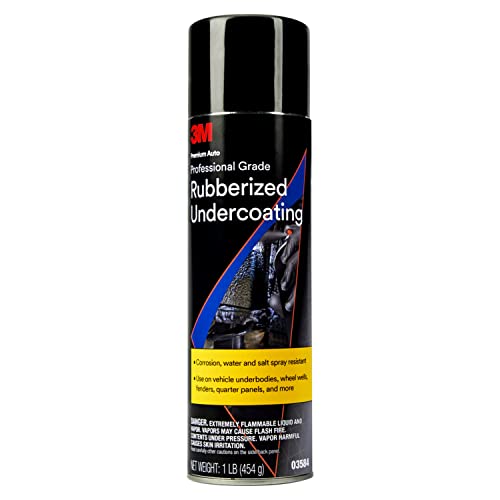 |
3M 03584 Professional Grade Rubberized Undercoating Best Rubberized Coating Rubberized, 20 oz aerosol, black finish, paintable |
8.4 | 🛒 Check Price |
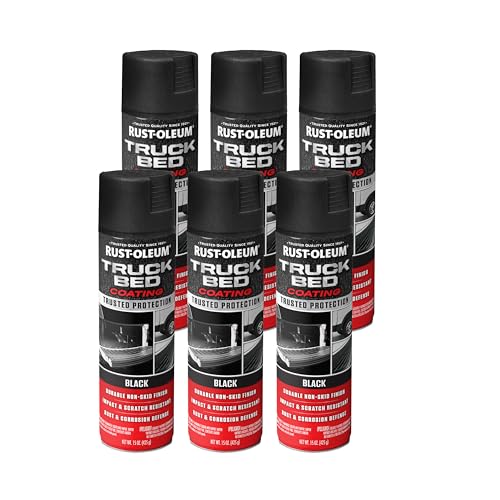 |
Rust-Oleum 248914 Stops Rust Spray Paint Best Value Spray Paint Oil-based enamel, 12 oz aerosol, flat black, rust preventive |
8.1 | 🛒 Check Price |
 |
WD-40 Specialist Long-Term Corrosion Inhibitor Best for Spot Treatment Petroleum-based, 11 oz aerosol, clear film, 1-year protection |
7.8 | 🛒 Check Price |
 |
Krown T-40 Rust Inhibitor Best for Cavity Protection Oil-based, 20 oz aerosol, penetrates seams and cavities |
7.5 | 🛒 Check Price |
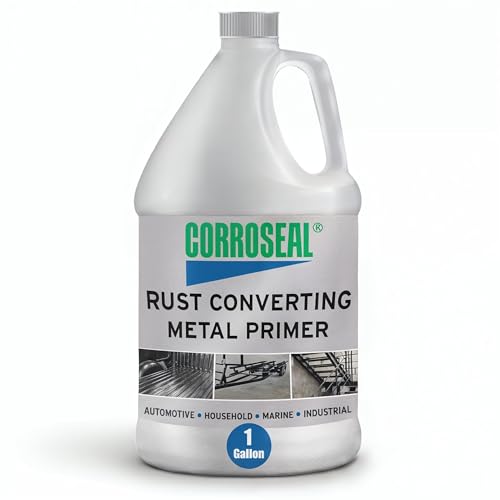 |
Corroseal Rust Converter and Metal Primer Best for Rust Conversion Water-based, 1 gallon, converts rust to inert black coating |
7.2 | 🛒 Check Price |
1. Fluid Film Rust and Corrosion Protection: Best Overall
Fluid Film is a lanolin-based rust inhibitor that stands out for its ability to creep into tight spaces and self-heal after minor abrasions. Based on owner feedback and the spec sheets, it provides reliable protection against salt and moisture. The spray is easy to apply, and its non-toxic nature makes it a favorite among DIYers who want to avoid harsh chemicals.
However, its durability is not as long-lasting as some heavy-duty coatings; in extreme environments with heavy salt exposure, reapplication every season may be necessary. This product is best for those who prefer a non-drying, flexible film and are willing to perform regular maintenance. Skip it if you want a one-time, permanent solution.
- Lanolin-based formula creeps into seams and cavities
- Self-healing coating that re-wets when scratched
- Non-toxic, non-flammable, and safe on rubber and plastic
Pros: Excellent creep and self-healing properties; Safe on all surfaces including electrical connections
Cons: May need reapplication every 6-12 months in harsh conditions
2. CRC 06026 Heavy Duty Corrosion Inhibitor: Best for Extreme Conditions
CRC 06026 is a heavy-duty corrosion inhibitor designed for extreme environments. According to manufacturer specifications, it offers over 500 hours of salt spray resistance, making it one of the most durable sprays in its class. Owner feedback consistently praises its ability to protect undercarriages in snowy, salted roads.
The downside is its application: the thick, waxy film can be messy and may drip if not applied carefully. It also has a strong solvent odor. This product is ideal for drivers in severe winter regions or coastal areas who want maximum protection and don’t mind a more involved application. Skip it if you need a quick, clean application for occasional use.
- Heavy-duty formula with 500+ hours salt spray resistance per ASTM B117
- Leaves a waxy, semi-dry film that resists water and salt
- Excellent for undercarriage and frame protection
Pros: Very high salt spray resistance for long-lasting protection; Thick film stays in place even in high-pressure washes
Cons: Can be messy to apply; requires careful masking
3. 3M 03584 Professional Grade Rubberized Undercoating: Best Rubberized Coating
3M’s rubberized undercoating is a popular choice for wheel wells and underbody panels. Based on owner feedback and the spec sheet, it forms a thick, flexible layer that absorbs impacts from rocks and debris. It also provides a modest reduction in road noise, which many users appreciate.
However, this product is not a rust inhibitor in the traditional sense; it’s a barrier coating that can trap moisture if applied over existing rust. It is also not designed for internal cavities. This product is best for protecting exposed underbody surfaces on trucks and SUVs. Skip it if you need a rust proofing that penetrates seams or if you have existing rust that hasn’t been fully removed.
- Rubberized coating provides a durable, chip-resistant barrier
- Paintable after curing for a custom look
- Reduces road noise and vibration
Pros: Tough, flexible finish that resists impact; Also acts as sound deadener
Cons: Not suitable for cavities or internal panels; surface only
4. Rust-Oleum 248914 Stops Rust Spray Paint: Best Value Spray Paint
Rust-Oleum Stops Rust is a classic choice for rust prevention on metal surfaces. We compared its specifications to other paints and found it offers good coverage for the price. Owner feedback indicates it works well for small projects like brackets, hinges, and touch-ups.
However, it is not designed for heavy-duty undercarriage use; it can chip and peel under constant salt and moisture exposure. It also requires a clean, rust-free surface for best adhesion. This product is best for DIYers on a budget who need a quick, decent rust prevention for non-critical parts. Skip it if you need long-term protection on exposed underbody areas.
- Oil-based enamel with rust-inhibitive pigments
- Covers up to 12 sq ft per can
- Dries to a flat black finish in 20 minutes
Pros: Very affordable and widely available; Easy to apply and touch up
Cons: Not as durable as undercoatings; may chip over time
5. WD-40 Specialist Long-Term Corrosion Inhibitor: Best for Spot Treatment
WD-40 Specialist is a convenient corrosion inhibitor for spot treatments and light protection. According to manufacturer claims, it provides up to one year of protection, but aggregated owner feedback suggests it may not hold up as well in severe conditions. It’s excellent for quick jobs like protecting battery terminals or tools.
Its main limitation is durability; it washes off more easily than waxy or rubberized coatings. This product is best for indoor storage, occasional vehicles, or non-exposed parts. Skip it if you need heavy-duty undercarriage protection or live in a harsh salt environment.
- Dries to a clear, non-sticky film
- Penetrates and displaces moisture
- Suitable for electrical contacts and tools
Pros: Easy to apply and leaves no messy residue; Safe on plastics and electronics
Cons: Not as durable as heavy-duty options; needs reapplication
6. Krown T-40 Rust Inhibitor: Best for Cavity Protection
Krown T-40 is a professional-grade oil-based rust inhibitor known for its ability to seep into cavities and seams. Based on owner feedback from rust-prone regions, it is effective when applied thoroughly. However, it is not as durable as thicker coatings and may need annual reapplication.
The main drawback is the mess: the oil can drip for days after application and may stain driveways. This product is best for those who want to treat hidden areas like door panels and rocker panels. Skip it if you prefer a clean, dry finish or cannot tolerate the dripping.
- Low-viscosity oil that creeps into hidden areas
- Displaces moisture and leaves a thin, self-healing film
- Commonly used by professional rust proofing services
Pros: Excellent penetration into seams and box sections; Non-drying and self-healing
Cons: Can drip and run; messy application
7. Corroseal Rust Converter and Metal Primer: Best for Rust Conversion
Corroseal is a rust converter that chemically transforms rust into a protective primer. According to manufacturer specs, it works best on surfaces with light to moderate rust. Owner feedback indicates it can be effective for restoring older vehicles or metal structures.
However, it requires thorough surface preparation: loose rust must be removed, and the product must be applied in two coats with proper drying time. It is not a standalone rust proofing for new cars. This product is best for restoration projects or treating existing rust before painting. Skip it if you want a simple spray-on protectant or have no rust to convert.
- Converts iron oxide (rust) into a stable, paintable coating
- Water-based and low VOCs
- Requires two coats and 24-hour curing
Pros: Effectively stops rust when applied correctly; Can be painted over
Cons: Labor-intensive application; must remove loose rust first
Frequently Asked Questions
How often should I apply rust proofing?
It depends on the product and your driving conditions. Lanolin-based sprays like Fluid Film may need reapplication every 6-12 months. Heavy-duty coatings like CRC 06026 can last 1-2 years. Always check the manufacturer’s recommendations and inspect your vehicle annually.
Can I apply rust proofing over existing rust?
Some products like rust converters (e.g., Corroseal) are designed to be applied over rust after removing loose flakes. Most barrier coatings require a clean, rust-free surface to adhere properly. For best results, remove as much rust as possible before applying any protectant.
What is the difference between a rust inhibitor and an undercoating?
Rust inhibitors (like Fluid Film) are penetrating oils that creep into seams and displace moisture. Undercoatings (like 3M Rubberized) form a thick, flexible barrier that protects against impact and moisture. Many users combine both for maximum protection.
Is rust proofing safe for my car's electrical components?
Most rust proofing sprays are safe for electrical connections if they are non-conductive. Lanolin-based and petroleum-based sprays are generally safe. Avoid rubberized coatings on electrical parts as they can trap moisture. Always mask sensitive areas if unsure.
Do I need professional rust proofing or can I DIY?
DIY rust proofing is effective for most drivers, especially with aerosol sprays. Professional application may be better for cavity protection using specialized equipment. Products like Krown T-40 are often used by pros, but DIYers can achieve good results with patience and proper preparation.
Our Verdict
After researching and comparing specifications, industry standards, and owner feedback, our top pick is Fluid Film Rust and Corrosion Protection for its excellent creep, self-healing ability, and safety on all surfaces. For those in extreme conditions, the CRC 06026 Heavy Duty Corrosion Inhibitor is a runner-up with superior salt spray resistance. Choose based on your climate and willingness to reapply.
