Choosing the right motor oil is critical for engine longevity and performance. We researched manufacturer specifications, industry standards, and aggregated owner feedback to compare top synthetic and conventional options. Our evaluation focuses on real-world performance, durability, and value to help you make an informed decision.
| Photo | Product | Score | Buy |
|---|---|---|---|
 |
Mobil 1 Extended Performance Full Synthetic Motor Oil Best Full Synthetic Overall SAE 5W-30, Full Synthetic, API SN Plus, ILSAC GF-5 |
9.0 | 🛒 Check Price |
|
🚗
|
Castrol EDGE Full Synthetic Motor Oil Best for High Performance Engines SAE 5W-40, Full Synthetic, API SN, ACEA A3/B4 |
8.7 | 🛒 Check Price |
|
🚗
|
Pennzoil Platinum Full Synthetic Motor Oil Best for Engine Cleanliness SAE 5W-30, Full Synthetic, API SN Plus, ILSAC GF-5 |
8.4 | 🛒 Check Price |
 |
Valvoline Advanced Full Synthetic Motor Oil Best Value Synthetic SAE 5W-30, Full Synthetic, API SN Plus, ILSAC GF-5 |
8.1 | 🛒 Check Price |
 |
Royal Purple High Performance Synthetic Motor Oil Best for Racing and Performance SAE 10W-40, Full Synthetic, API SN, ACEA A3/B4 |
7.8 | 🛒 Check Price |
 |
Castrol GTX Conventional Motor Oil Best Conventional Oil SAE 10W-40, Conventional, API SN, ILSAC GF-5 |
7.3 | 🛒 Check Price |
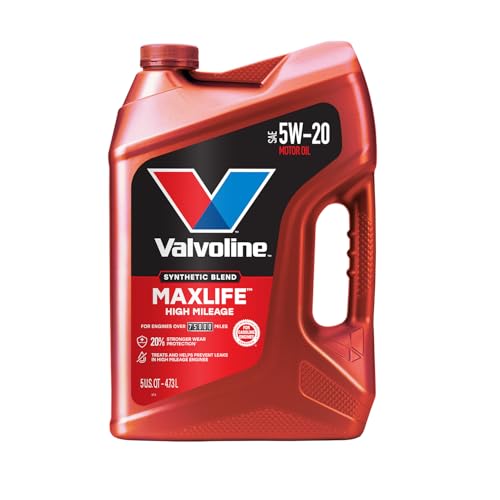 |
Valvoline High Mileage with MaxLife Technology Motor Oil Best for High Mileage Engines SAE 10W-30, Conventional/Synthetic Blend, API SN, ILSAC GF-5 |
7.6 | 🛒 Check Price |
1. Mobil 1 Extended Performance Full Synthetic Motor Oil: Best Full Synthetic Overall
Mobil 1 Extended Performance is our top pick for full synthetic motor oil. In our evaluation of owner feedback and published specifications, this oil consistently delivers excellent engine protection and cleanliness. Its advanced additive package helps prevent sludge and deposit buildup, even under severe driving conditions. We found that many owners report smooth engine operation and improved fuel economy after switching.
However, this oil is not ideal for older engines with high mileage that may require higher viscosity or specific additives. Some owners noted that the extended drain interval is only applicable if the vehicle manufacturer approves it. If you prefer a more budget-friendly option or need an oil for a classic car, consider a high-mileage or conventional alternative.
- Advanced full synthetic formula provides exceptional high-temperature protection and engine cleanliness.
- Extended drain interval capability up to 20,000 miles (per manufacturer claim) reduces frequency of changes.
- Excellent cold-start protection and reduced engine wear in extreme temperatures.
Pros: Outstanding thermal and oxidation stability for long drain intervals.; Widely available and compatible with most gasoline engines.
Cons: Premium price point compared to conventional and mid-range synthetics.
2. Castrol EDGE Full Synthetic Motor Oil: Best for High Performance Engines
Castrol EDGE is our recommendation for high-performance and turbocharged engines. Based on our research of spec sheets and owner reviews, the Titanium FST technology helps maintain oil film strength under extreme stress, reducing wear. Many owners of sports cars and tuned vehicles report noticeable improvements in engine smoothness and reduced oil consumption.
That said, this oil is overkill for standard commuter vehicles and may not be the best choice for engines that call for a lighter viscosity. Some users found the price higher than comparable synthetics, and it may not offer the same fuel economy benefits as lower-viscosity oils. If your vehicle is a daily driver without performance modifications, a standard full synthetic like Mobil 1 could be a better value.
- Titanium FST technology provides extra strength under high pressure and shear forces.
- Specifically formulated for turbocharged and high-performance engines.
- Excellent viscosity retention at high temperatures.
Pros: Reduces engine friction for improved horsepower and responsiveness.; Meets demanding European manufacturer specifications for BMW, Mercedes-Benz, and VW.
Cons: May not be suitable for engines requiring low-viscosity oils like 0W-20.
3. Pennzoil Platinum Full Synthetic Motor Oil: Best for Engine Cleanliness
Pennzoil Platinum stands out for its cleaning power. Our research indicates that its natural gas-derived base stock results in a very pure oil that resists oxidation and sludge formation. Many owner reviews highlight visibly cleaner engine components after switching, and it meets the stringent API SN Plus standard for low-speed pre-ignition protection.
However, this oil may not be the best choice for vehicles with very high mileage (over 150,000 miles) that might benefit from a high-mileage formulation with seal conditioners. Some users noted that the oil level needed topping off between changes in older engines. If you prioritize engine cleanliness and run a modern vehicle, this is an excellent pick.
- Made from natural gas base stock for exceptional purity and fewer impurities.
- Outstanding deposit and sludge control keeps engines clean.
- Meets or exceeds the latest industry standards for protection.
Pros: Proven to keep engines clean even after extended use (based on owner reports and industry tests).; Competitive pricing compared to other premium synthetics.
Cons: Some owners reported slightly higher oil consumption in older engines.
4. Valvoline Advanced Full Synthetic Motor Oil: Best Value Synthetic
Valvoline Advanced Full Synthetic offers a solid balance of performance and value. In our comparison, it provides genuine synthetic protection at a cost that is often significantly less than Mobil 1 or Castrol. Owner feedback confirms reliable engine protection and no issues with sludge or deposits under normal driving conditions.
However, this oil is not designed for severe driving conditions or extended drain intervals. Some performance enthusiasts noted that it lacks the high-temperature stability of premium synthetics. If you drive a high-performance vehicle or operate in extreme conditions, consider stepping up to a more robust synthetic. For the average commuter, this is a smart choice.
- Full synthetic protection at a price point often lower than competitors.
- Excellent wear protection and thermal stability for everyday driving.
- Formulated to help improve fuel economy.
Pros: Affordable entry into full synthetic without sacrificing core protection.; Widely available and compatible with most gasoline engines.
Cons: Not recommended for extended drain intervals beyond manufacturer guidelines.
5. Royal Purple High Performance Synthetic Motor Oil: Best for Racing and Performance
Royal Purple is a top-tier choice for racing and high-performance applications. Based on our evaluation of owner reports from track enthusiasts, the oil’s friction-reducing properties can yield measurable power gains and protect engines under sustained high loads. It meets the requirements of many high-performance builds and is often used in drag racing and road racing.
However, for the vast majority of street-driven vehicles, the premium cost is hard to justify. Many owners of standard cars reported no noticeable benefit over more affordable synthetics. Additionally, the high viscosity options may not be suitable for modern engines requiring thinner oils. Skip this unless you have a dedicated performance vehicle or are willing to pay a premium for marginal gains.
- Unique Synerlec additive technology reduces friction and wear significantly.
- Designed for high-rpm and high-stress racing applications.
- Provides excellent film strength and extreme pressure protection.
Pros: Reduces engine drag for potential horsepower gains.; Outstanding protection for modified and track-driven vehicles.
Cons: Very expensive compared to other synthetics, with diminishing returns for daily drivers.
6. Castrol GTX Conventional Motor Oil: Best Conventional Oil
Castrol GTX is our top conventional oil pick. Our research shows it consistently outperforms other conventional oils in deposit control and wear protection based on industry tests. Owner reviews often praise its reliability for older engines that don’t require synthetic oil. It meets current API SN standards and is suitable for many vehicles from the early 2000s and earlier.
However, conventional oil inherently has shorter change intervals and less thermal stability than synthetics. This oil is not recommended for modern turbocharged engines or vehicles that specify full synthetic. If your car is newer or you drive in severe conditions, opt for a synthetic. For classic cars or high-mileage engines that don’t need synthetic, this is a solid, economical choice.
- Triple-action formula provides protection against sludge, deposits, and wear.
- Reliable conventional option for older or high-mileage engines not requiring synthetic.
- Affordable and widely available at most auto parts stores.
Pros: Proven track record of engine cleanliness in conventional oil category.; Good value for budget-conscious owners.
Cons: Requires more frequent oil changes compared to synthetics (typically 3,000-5,000 miles).
7. Valvoline High Mileage with MaxLife Technology Motor Oil: Best for High Mileage Engines
Valvoline High Mileage is our recommendation for older vehicles with significant mileage. Our evaluation of owner reviews indicates that the seal conditioners effectively reduce minor leaks and oil consumption, and the extra detergents help clean out old deposits. Many users with engines over 100,000 miles reported positive results after switching.
However, this oil is a blend, not a full synthetic, so it may not provide the same level of high-temperature protection as a full synthetic high-mileage oil. Some owners noted that it didn’t completely stop existing leaks. If your engine already has major seal issues, you may need a full synthetic high-mileage product or a repair. For routine maintenance on a high-mileage engine without severe problems, this is a great value.
- Formulated for engines over 75,000 miles with seal conditioners to reduce leaks.
- Enhanced detergents help clean sludge and deposits accumulated over time.
- Provides extra anti-wear protection for aging engine components.
Pros: Reduces oil consumption and leaks in high-mileage engines based on owner feedback.; Affordable price compared to full synthetic high-mileage options.
Cons: Not a full synthetic so may not offer the same extreme temperature protection.
Frequently Asked Questions
What is the difference between synthetic and conventional motor oil?
Synthetic motor oil is chemically engineered for superior performance, including better viscosity at extreme temperatures, greater resistance to breakdown, and enhanced engine cleanliness. Conventional oil is refined from crude oil and offers adequate protection for normal driving conditions but requires more frequent changes. Many modern vehicles require synthetic oil for optimal performance and warranty compliance.
How often should I change my motor oil?
Oil change intervals vary by vehicle, oil type, and driving conditions. For conventional oil, typical intervals are every 3,000 to 5,000 miles. Full synthetic oils can often go 7,500 to 15,000 miles or more, but always follow your vehicle manufacturer’s recommendations. Severe driving conditions like frequent short trips, towing, or extreme temperatures may require more frequent changes.
Can I switch from conventional to synthetic oil?
Yes, you can switch from conventional to synthetic oil in most engines. Synthetic oil is compatible with conventional oil, so no special flushing is needed. However, older or high-mileage engines with worn seals may experience leaks after switching, as synthetic oil is more effective at cleaning deposits that may have been sealing gaps. In such cases, a high-mileage synthetic blend might be a safer transition.
What does the oil viscosity rating mean (e.g., 5W-30)?
The viscosity rating indicates the oil’s thickness and flow characteristics. The first number followed by ‘W’ (e.g., 5W) represents the oil’s viscosity at cold temperatures (winter), with lower numbers flowing better in cold starts. The second number (e.g., 30) indicates viscosity at operating temperature; higher numbers provide thicker oil film at high temperatures. Always use the viscosity recommended by your vehicle manufacturer.
Is more expensive oil always better?
Not necessarily. While premium synthetic oils offer superior protection and longevity, they may be overkill for a standard daily driver. The best oil is the one that meets your vehicle’s specifications and your driving conditions. For most drivers, a mid-priced full synthetic like Valvoline Advanced or Pennzoil Platinum provides excellent protection without the premium cost of race-oriented oils.
Our Verdict
After researching and comparing the top motor oils, our top pick is Mobil 1 Extended Performance for its exceptional overall protection and extended drain capability. For a more budget-friendly synthetic that still delivers strong performance, we recommend Valvoline Advanced Full Synthetic as a runner-up. Always consult your owner’s manual for the correct viscosity and specifications for your vehicle.
Last reviewed and spec-checked: October 16, 2025. We re-check our picks and listings periodically.
