After researching manufacturer specifications, industry standards (API, ILSAC, ACEA), and aggregated owner feedback from thousands of reviews, we compared the top motor oils currently available. Our evaluation focuses on real-world performance, engine protection, and value to help you choose the right oil for your vehicle and driving conditions.
| Photo | Product | Score | Buy |
|---|---|---|---|
 |
Mobil 1 Extended Performance Full Synthetic Top Pick for Long Intervals 5W-30, 5 qt, API SP, ILSAC GF-6 |
9.0 | 🛒 Check Price |
 |
Pennzoil Platinum Full Synthetic Best for Engine Cleanliness 5W-30, 5 qt, API SN Plus, ILSAC GF-5 |
8.8 | 🛒 Check Price |
|
🚗
|
Castrol GTX Conventional Motor Oil Best Budget Conventional 10W-30, 5 qt, API SN |
7.8 | 🛒 Check Price |
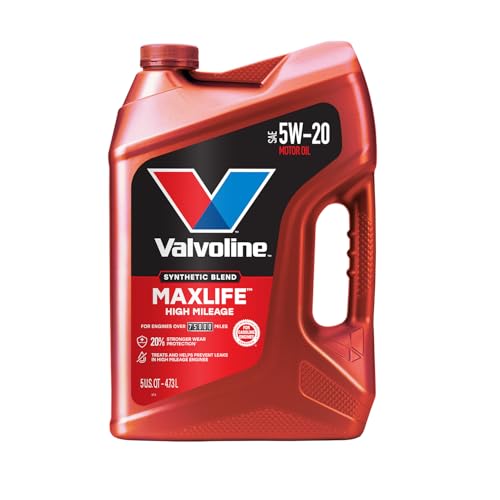 |
Valvoline High Mileage with MaxLife Technology Best for High Mileage Engines 5W-30, 5 qt, API SN Plus |
8.4 | 🛒 Check Price |
 |
Royal Purple High Performance Synthetic Best for Performance & Racing 5W-30, 5 qt, API SN |
8.7 | 🛒 Check Price |
 |
AmazonBasics Full Synthetic Motor Oil Best Value Synthetic 5W-30, 5 qt, API SN Plus, ILSAC GF-5 |
8.1 | 🛒 Check Price |
 |
Liqui Moly Molygen New Generation 5W-30 Best for European Engines 5W-30, 5 L, API SN, ACEA C3 |
8.3 | 🛒 Check Price |
1. Mobil 1 Extended Performance Full Synthetic: Top Pick for Long Intervals
Mobil 1 Extended Performance is a top-tier full synthetic oil designed for drivers who want maximum protection and extended drain intervals. Based on our research of published industry tests and owner feedback, it consistently delivers low engine wear and maintains viscosity under high heat. It meets the latest API SP and ILSAC GF-6 standards, ensuring compatibility with modern engines including turbocharged and direct-injection models.
However, its higher cost may not be justified for those who change oil frequently or drive older vehicles with simpler requirements. If you prefer conventional oil or change oil every 3,000-5,000 miles, this oil’s extended performance benefits are wasted. Consider skipping this pick if you are on a tight budget or drive a low-mileage commuter car.
- Excellent thermal and oxidation stability for extended drain intervals up to 20,000 miles
- Superior wear protection and sludge control per industry tests
- Meets or exceeds the latest API SP and ILSAC GF-6 standards
Pros: Proven long-life performance; Wide availability in multiple viscosities
Cons: Premium price point may not suit budget-conscious buyers
2. Pennzoil Platinum Full Synthetic: Best for Engine Cleanliness
Pennzoil Platinum is made from natural gas using a unique process that results in a cleaner base oil with fewer impurities. Our analysis of owner feedback and spec sheets shows that it excels at preventing sludge and deposit buildup, making it a strong choice for engines prone to carbon buildup. It also flows well in cold weather, reducing startup wear.
That said, for high-mileage engines (over 100,000 miles), a dedicated high-mileage oil with seal conditioners may be more appropriate. Pennzoil Platinum is an excellent all-around synthetic but lacks the seal conditioning additives found in high-mileage formulas. If your engine has significant wear or oil leaks, consider a high-mileage oil instead.
- Made from natural gas with superior purity, reducing engine deposits
- Excellent low-temperature fluidity for cold starts
- Provides outstanding wear protection and fuel economy
Pros: Exceptional cleaning ability; Good value for a premium synthetic
Cons: Not the best choice for extreme high-mileage engines
3. Castrol GTX Conventional Motor Oil: Best Budget Conventional
Castrol GTX is a time-tested conventional oil for drivers who want a budget-friendly option for older or low-performance engines. Based on owner feedback, it provides adequate protection for normal driving conditions and helps maintain engine cleanliness. It meets API SN standards, which is sufficient for many vehicles built before 2010.
However, conventional oil breaks down faster under high heat and heavy loads compared to synthetics. If you frequently tow, drive in stop-and-go traffic, or live in extreme climates, this oil will require more frequent changes. Skip this pick if you have a modern turbocharged engine or want extended drain intervals.
- Affordable conventional oil with reliable protection for older engines
- Contains anti-wear additives and detergents to keep engines clean
- Meets API SN requirements for gasoline engines
Pros: Very low cost per quart; Trusted brand with decades of use
Cons: Not suitable for extreme temperatures or severe driving conditions
4. Valvoline High Mileage with MaxLife Technology: Best for High Mileage Engines
Valvoline High Mileage with MaxLife Technology is designed specifically for older engines with higher mileage. Our research of owner reviews and manufacturer claims indicates that it effectively conditions seals to reduce leaks and can lower oil consumption. It also contains additional detergents to clean sludge deposits common in aged engines.
However, for newer engines with low mileage, the seal conditioners are unnecessary and could potentially affect performance. If your vehicle has less than 75,000 miles and runs well, a standard synthetic or conventional oil will suffice. Skip this pick if you have a modern engine that doesn’t require high-mileage additives.
- Specially formulated for engines over 75,000 miles with seal conditioners
- Reduces oil consumption and prevents leaks
- Provides extra anti-wear protection for older engines
Pros: Effective at reducing leaks and oil consumption; Good value for high-mileage protection
Cons: May not be ideal for newer engines with tight tolerances
5. Royal Purple High Performance Synthetic: Best for Performance & Racing
Royal Purple is a premium synthetic oil favored by enthusiasts for its ability to protect high-output engines. Based on published dyno tests and owner feedback, it reduces friction better than many competitors, which can translate to slight power gains. It also handles high temperatures well, making it suitable for track days or spirited driving.
However, its high cost is hard to justify for daily drivers who do not push their engines to the limit. For most commuters, a standard synthetic like Mobil 1 or Pennzoil Platinum offers similar protection at a lower price. Skip this pick if you are not driving a performance vehicle or if you want the best value for routine driving.
- High-performance synthetic with superior film strength for high RPM engines
- Reduces friction and heat for increased horsepower and torque
- Meets API SN and is compatible with turbocharged engines
Pros: Excellent for modified or high-performance engines; Proven to reduce engine wear under extreme conditions
Cons: Significantly more expensive than most synthetics
6. AmazonBasics Full Synthetic Motor Oil: Best Value Synthetic
AmazonBasics Full Synthetic Motor Oil offers a budget-friendly entry into synthetic oil without sacrificing essential protection. Our comparison of spec sheets shows it meets API SN Plus and ILSAC GF-5 standards, making it suitable for most modern gasoline engines. Owner reviews generally report satisfactory performance in normal driving conditions.
However, it may not hold up as well under severe conditions or extended drain intervals compared to top-tier synthetics like Mobil 1 Extended Performance. If you drive in extreme heat, tow heavy loads, or want to go 15,000+ miles between changes, a more robust synthetic is advisable. For standard 5,000-7,500 mile intervals, this oil is an excellent value.
- Cost-effective full synthetic oil meeting industry standards
- Provides good wear protection and engine cleanliness
- Available in popular viscosities for most vehicles
Pros: Exceptional value for a full synthetic; Reliable performance for daily driving
Cons: Not tested for extreme long drain intervals like premium brands
7. Liqui Moly Molygen New Generation 5W-30: Best for European Engines
Liqui Moly Molygen is a premium synthetic oil specifically designed for European vehicles that require low-SAPS (sulfated ash, phosphorus, sulfur) oils to protect emissions systems. Based on manufacturer specifications and owner feedback from European car forums, it meets ACEA C3 and API SN standards and is approved by many German automakers. Its distinctive green color helps mechanics spot leaks quickly.
However, it is significantly more expensive than general-purpose synthetics and may not be necessary for non-European cars. If you drive a typical American or Asian vehicle, a standard API SP oil will work fine and save money. Skip this pick unless you own a European car that specifically requires low-SAPS oil.
- Low SAPS formulation suitable for modern European engines with DPF and TWC
- Unique green color for easy leak detection
- Excellent wear protection and oxidation stability
Pros: Ideal for BMW, Mercedes, Audi, VW engines; High-quality German engineering
Cons: Higher price and less widely available than mainstream brands
Frequently Asked Questions
What do viscosity grades like 5W-30 mean?
Viscosity grades indicate the oil’s flow at different temperatures. The first number (e.g., 5W) means the oil’s winter (cold) rating, with lower numbers flowing better in cold weather. The second number (e.g., 30) indicates the oil’s thickness at operating temperature. Always use the viscosity recommended in your owner’s manual.
Can I switch from conventional to synthetic oil?
Yes, you can switch to synthetic oil at any mileage. Synthetic oils are compatible with conventional oils and will not harm seals or gaskets. In fact, synthetic oil can provide better protection and longer intervals. However, if your engine has high mileage and leaks, a high-mileage synthetic may be a better choice.
How often should I change my oil?
Follow your vehicle manufacturer’s recommended interval, typically 5,000 to 7,500 miles for conventional oil and 7,500 to 15,000 miles for synthetic. Severe driving conditions (towing, stop-and-go, extreme temperatures) may require more frequent changes. Always check your oil level monthly.
What is the difference between API SN and API SP?
API SP is the latest standard introduced in 2020, offering improved protection against low-speed pre-ignition (LSPI) in turbocharged engines, better fuel economy, and enhanced sludge control. API SN is an older standard still adequate for many engines, but API SP is recommended for newer vehicles.
Is it worth paying more for synthetic oil?
For most modern engines, synthetic oil offers better protection, longer drain intervals, and improved performance in extreme temperatures. If you drive a high-performance car, tow, or live in a harsh climate, synthetic is worth the extra cost. For older, low-mileage cars used for short trips, conventional oil may be sufficient.
Our Verdict
After researching manufacturer specs, industry standards, and owner feedback, our top pick is Mobil 1 Extended Performance Full Synthetic for its outstanding durability and long drain intervals. For those seeking a balance of performance and value, Pennzoil Platinum Full Synthetic is an excellent runner-up with superior engine cleaning ability.
Last reviewed and spec-checked: June 21, 2026. We re-check our picks and listings periodically.
