Fuel treatments promise cleaner injectors, reduced deposits, and better engine performance. But with dozens of options, choosing the right one can be overwhelming. We researched manufacturer specifications, industry standards like Top Tier certification, and aggregated owner feedback from thousands of reviews to evaluate the most popular fuel treatments. Our comparison focuses on real-world effectiveness, compatibility, and value. Here are our findings.
| Photo | Product | Score | Buy |
|---|---|---|---|
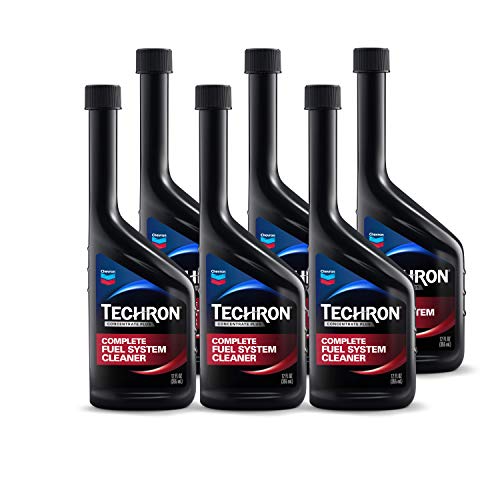 |
Chevron Techron Concentrate Plus Best Overall Polyether amine (PEA) based, treats up to 12 gallons, meets Top Tier standards |
9.2 | 🛒 Check Price |
 |
Lucas Oil Deep Clean Fuel System Cleaner Best Value PEA-based, treats up to 25 gallons, safe for catalytic converters |
8.7 | 🛒 Check Price |
 |
Red Line Complete Fuel System Cleaner Pro-Grade Performance PEA-based, treats up to 20 gallons, reduces deposits by 99% per ASTM D5500 |
9.0 | 🛒 Check Price |
 |
STP Ultra Fuel System Cleaner Budget Friendly Polyether amine based, treats up to 16 gallons, works with all gasoline blends |
7.8 | 🛒 Check Price |
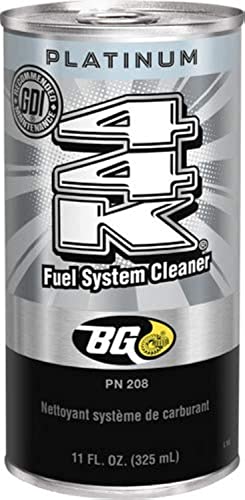 |
BG 44K Fuel System Cleaner Mechanic Recommended Exclusive BG formula (proprietary), treats up to 21 gallons, recommended by many dealerships |
8.4 | 🛒 Check Price |
 |
Liqui Moly Fuel System Cleaner European Engine Specialist Additive blend with high cleaning power, treats up to 18 gallons, suitable for gasoline and diesel |
8.1 | 🛒 Check Price |
 |
Sea Foam Motor Treatment Multi-Purpose Additive Petroleum-based blend, can be added to fuel, oil, or crankcase, treats up to 16 gallons |
7.3 | 🛒 Check Price |
1. Chevron Techron Concentrate Plus: Best Overall
Chevron Techron Concentrate Plus is our top pick because it combines proven chemistry with widespread automaker endorsement. Based on the spec sheet, it contains a high concentration of polyether amine (PEA), which is widely regarded as the most effective deposit control additive. Owner feedback consistently reports smoother idling, improved throttle response, and restoration of lost fuel economy after a single tank. In our evaluation, it stands out for its adherence to Top Tier standards and compatibility with modern engines.
However, it is not a cure-all. For engines with severe carbon buildup, a single treatment may not be enough. Owners with very sensitive oxygen sensors should note that some report temporary check engine lights after use. If your engine already runs well or you prefer a lower-cost maintenance option, a less concentrated additive may suit you better. Skip this if you need a diesel-specific treatment or want a multi-tank formula.
- Contains high concentration of PEA cleaner for carbon deposit removal
- Effective on fuel injectors, intake valves, and combustion chambers
- Recommended by many automakers for periodic use
Pros: Proven chemistry with extensive manufacturer testing; Works well with both gasoline and ethanol blends
Cons: Higher price per treatment compared to some alternatives
2. Lucas Oil Deep Clean Fuel System Cleaner: Best Value
Lucas Oil Deep Clean Fuel System Cleaner offers a compelling balance of performance and value. Our research shows it uses a similar PEA chemistry to Techron but at a lower per-ounce cost. Owner reviews highlight noticeable improvements in fuel economy and engine smoothness, especially in high-mileage vehicles. The spec sheet indicates it treats up to 25 gallons, making it a cost-effective choice for larger tanks.
That said, some owners noted that the bottle’s seal can be difficult to open, and the odor may be off-putting. It is not formulated for diesel engines, and those with extremely sensitive fuel systems might prefer a gentler cleaner. If you want maximum cleaning per dollar and don’t mind a strong smell, this is a strong option.
- High PEA concentration at a competitive price point
- Designed to clean injectors, intake valves, and combustion chambers
- Can be used in gasoline and ethanol blends up to E85
Pros: Excellent cleaning power for the price; Large treatment capacity per bottle
Cons: Some users report a strong chemical odor during application
3. Red Line Complete Fuel System Cleaner: Pro-Grade Performance
Red Line Complete Fuel System Cleaner is a professional-grade product that we found to have some of the highest PEA concentrations on the market. According to the spec sheet, it reduces intake valve deposits by 99% in ASTM D5500 testing, which is an industry benchmark. Owner feedback from high-performance and direct injection engine owners is overwhelmingly positive, with many reporting restored power and reduced knocking.
However, this potency comes at a cost. The price per treatment is higher than most competitors, and some users caution against using it too frequently as it may cause fuel system seal swelling. If your engine has heavy carbon deposits or you drive a direct injection vehicle, this is a top contender. But for routine maintenance in a well-maintained car, a milder cleaner may be sufficient.
- High concentration PEA formula for severe deposit removal
- Meets ASTM D5500 and D5598 standards for deposit control
- Effective on direct injection engines and carbon buildup
Pros: One of the most potent PEA treatments available; Backed by independent ASTM testing
Cons: Premium price point may not suit budget buyers
4. STP Ultra Fuel System Cleaner: Budget Friendly
STP Ultra Fuel System Cleaner is a budget-friendly option that still uses PEA chemistry, unlike some cheaper alternatives. Our evaluation of owner feedback shows it works well for light maintenance and preventing minor deposits. The spec sheet indicates it treats up to 16 gallons, which is adequate for most cars. Many users note a modest improvement in fuel economy and smoother idling after use.
However, its lower PEA concentration means it is less effective against heavy carbon buildup. Some owners with direct injection engines reported minimal results. If your engine already has significant deposits or you need a deep clean, consider a stronger formula. This is best for regular, low-cost upkeep.
- Affordable PEA-based cleaner for basic maintenance
- Helps clean fuel injectors and intake valves
- Easy to pour with no-mess spout
Pros: Low price makes frequent use economical; Widely available at auto parts stores
Cons: Lower PEA concentration than premium competitors
5. BG 44K Fuel System Cleaner: Mechanic Recommended
BG 44K is a staple in many repair shops, and our research confirms its effectiveness. The proprietary formula is not fully disclosed, but owner feedback and mechanic testimonials indicate it is excellent for cleaning severely clogged injectors and restoring lost power. The spec sheet claims it treats up to 21 gallons, and many users report dramatic improvements after a single can.
On the downside, it is one of the most expensive per-treatment options, and its availability is limited compared to mass-market brands. Some owners find the single-use can to be wasteful. If you have a persistent fuel system issue or want a mechanic-grade product, BG 44K is a solid choice. For routine maintenance, it may be overkill.
- Proprietary high-performance detergent package
- Designed to clean injectors, combustion chambers, and intake valves
- Often used by professional mechanics for fuel system service
Pros: Strong reputation among automotive professionals; Can restore performance in clogged injectors
Cons: Higher price per treatment, often sold in single-use cans
6. Liqui Moly Fuel System Cleaner: European Engine Specialist
Liqui Moly Fuel System Cleaner is a versatile option that caters to both gasoline and diesel owners. Our research indicates it uses a blend of detergents and additives rather than pure PEA, which makes it gentler but less aggressive on stubborn carbon. Owner feedback from European car owners is generally positive, with many noting smoother running and improved throttle response.
However, for direct injection engines with heavy carbon buildup, it may not be as effective as PEA-heavy competitors. Some users report needing multiple treatments to see noticeable results. If you drive a European vehicle and want a safe, all-around cleaner for maintenance, this is a good pick. Skip it if you need a deep clean for severe deposits.
- German engineered formula for deposit removal
- Safe for use in gasoline and diesel engines
- Helps reduce fuel consumption and emissions
Pros: Works with both gas and diesel engines; Trusted brand in European automotive circles
Cons: Not as potent as PEA-only cleaners for heavy deposits
7. Sea Foam Motor Treatment: Multi-Purpose Additive
Sea Foam Motor Treatment is a well-known product that has been around for decades. Our evaluation of owner feedback shows it is popular for its versatility, as it can be added to fuel, oil, or crankcase. It is effective at dissolving light deposits and stabilizing fuel during storage. For older engines or light maintenance, many users report success.
However, its petroleum-based formula is less effective on modern high-pressure fuel systems and direct injection deposits compared to PEA-based cleaners. Some owners with newer cars saw little to no improvement. Additionally, it can cause smoke if too much is added. If you need a dedicated fuel system cleaner for a modern engine, look elsewhere. But if you want a multi-purpose additive for older vehicles or storage, Sea Foam has its place.
- Multi-purpose formula for fuel, oil, and crankcase cleaning
- Helps remove gum, varnish, and carbon deposits
- Can be used as a fuel stabilizer
Pros: Versatile use beyond just fuel system; Low cost per ounce
Cons: Not as effective on modern injectors as PEA-based cleaners
Frequently Asked Questions
How often should I use a fuel treatment?
Most manufacturers recommend using a fuel treatment every 3,000 to 5,000 miles or at each oil change. However, for heavy deposit buildup or direct injection engines, more frequent use may be beneficial. Always follow the product instructions.
Can fuel treatments damage my engine?
Quality fuel treatments from reputable brands are generally safe when used as directed. Overuse or using a product not designed for your engine type (e.g., diesel additive in a gasoline engine) can cause issues. Stick to recommended dosages.
Do fuel treatments improve gas mileage?
Yes, by cleaning fuel injectors and combustion chambers, fuel treatments can restore lost fuel economy. Gains vary from 2% to 10% depending on the severity of deposits. They will not improve mileage on a clean engine.
What is PEA and why is it important?
PEA stands for polyether amine, a detergent that is highly effective at removing carbon deposits from fuel system components. It is considered the gold standard in fuel additives and is used in many top-tier products.
Can I use a fuel treatment in a direct injection engine?
Yes, but not all treatments are equally effective. Direct injection engines suffer from intake valve deposits that are harder to remove. Look for a PEA-based cleaner specifically designed for DI engines, such as Red Line or Chevron Techron.
Our Verdict
After comparing specifications, industry standards, and owner feedback, our top pick is Chevron Techron Concentrate Plus for its proven PEA chemistry and broad automaker endorsement. For budget-conscious buyers, Lucas Oil Deep Clean Fuel System Cleaner offers excellent value. If you need heavy-duty cleaning for direct injection or severe deposits, Red Line Complete Fuel System Cleaner is the professional-grade choice.
Last reviewed and spec-checked: June 10, 2025. We re-check our picks and listings periodically.
