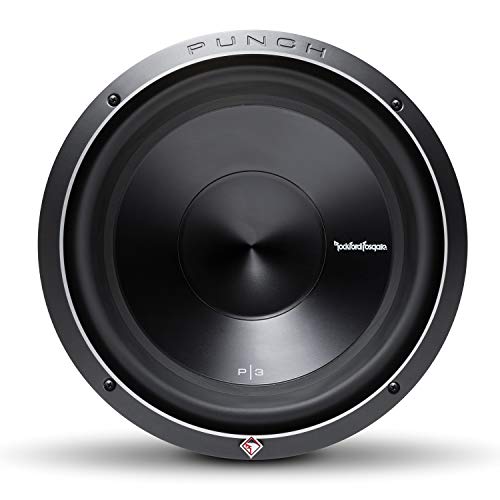
Adding an amplifier is the single biggest upgrade you can make to a car stereo, giving your speakers and subwoofer the clean power they need to play loud without distortion. The good news is that a typical amp install is well within reach for a patient weekend mechanic with basic tools. The job comes down to running a single heavy power wire from the battery, creating a solid ground, sending a signal from the head unit, and setting the gain correctly. This guide walks through the wiring kit you need, the full step by step process, and the safety details that keep your install clean and trouble free.
The Wiring Kit You Need Before You Start
An amplifier wiring kit bundles almost everything required for the install, but the most important choice is the power wire gauge. The gauge has to match how much current your amp draws, which you work out from its fuse rating or total RMS power. As a rough guide, a small amp pulling up to around 40 amps is happy on 8 gauge wire, a mid sized amp drawing 40 to 70 amps wants 4 gauge, and a powerful sub amp pulling 70 to 125 amps needs 2 gauge or even 1/0 gauge. Going too thin starves the amp and the wire can heat up, so when in doubt size up rather than down.
Beyond the power wire, a complete kit includes an inline fuse holder that mounts within about 18 inches of the battery, a matching ground wire of the same gauge as the power wire, a thin remote turn on wire, and a set of RCA signal cables to carry audio from the head unit. You also want ring terminals, heat shrink, wire loom, and a rubber grommet for the firewall pass through. Buying a quality kit rated for your amp current is far easier than sourcing each piece separately.
Disconnect the Battery and Plan the Routing
Safety starts before you touch a single wire. Disconnect the negative terminal of the battery so there is no chance of a short while you are pulling heavy gauge cable through the car. This one step prevents sparks, blown fuses, and damaged electronics if the bare power wire ever touches metal during the install.
With the power off, plan your routing. The power wire runs from the battery, through the firewall, and down one side of the car to the amp location, usually in or under the trunk or rear cargo area. The RCA signal cables and the remote turn on wire run from the head unit to the amp down the opposite side of the car. Keeping the power wire and the signal cables on separate sides is the easiest way to avoid the engine and charging noise that can otherwise bleed into your audio.
Run the Power Wire Through the Firewall
Find a spot in the firewall to pass the power wire from the engine bay into the cabin. Many cars already have a rubber grommet with spare room around an existing harness, which is ideal because it keeps the hole sealed. If you must drill a new hole, deburr the edges and fit a rubber grommet so the sharp metal cannot cut through the insulation over time. Route the wire away from hot or moving parts such as the exhaust manifold, steering shaft, and any pulleys.
At the battery, install the inline fuse holder close to the positive terminal, within roughly 18 inches, but leave the fuse out for now. Crimp a ring terminal onto the wire and connect it to the positive post. Then run the wire along your planned path to the amp, tucking it under trim and door sills and securing it with zip ties so nothing rattles or chafes. Leave a little slack at each end for the final connections.
Mount the Amp and Create a Solid Ground
Choose a mounting location that gives the amplifier room to breathe, since amps run warm and need airflow to stay cool. Avoid sealing it inside a tight, unventilated box or laying carpet directly over the heatsink. Mount it firmly to a solid surface so it cannot vibrate loose, and keep it accessible so you can reach the gain and crossover controls later.
The ground connection is where many installs go wrong. Use a ground wire of the same gauge as your power wire and keep it short, ideally under about 18 inches. Find a clean metal point on the chassis, scrape away any paint, rust, or coating down to bare metal, and bolt the ring terminal directly to that spot. A loose or painted ground is a common cause of weak power, distortion, and noise, so make this connection tight and metal to metal.
Connect the RCAs, Remote Wire, and Set the Gain
With power and ground in place, connect the signal side. Plug the RCA cables into the amplifier inputs and run the other ends to the head unit outputs, or to a line output converter if your factory radio has no RCA outputs. Connect the thin remote turn on wire from the amp to the head unit remote lead, which switches the amp on and off with the stereo so it does not drain the battery. Finally, run the speaker wires from the amp outputs to your speakers or subwoofer, matching positive and negative on each side.
Reconnect the battery and insert the fuse last, then power up the system to set the gain. The gain is a sensitivity control, not a volume knob. Turn the head unit up to about three quarters of its maximum, start with the amp gain low, and raise it slowly until the sound is loud and full but just before it begins to distort, then back it off slightly. Setting the gain by ear this way keeps the signal clean and protects your speakers from being driven past their limits.
Frequently Asked Questions
What gauge power wire do I need for my amplifier?
Match the wire gauge to the current your amp draws, which you can read from its fuse rating. As a general guide, up to around 40 amps suits 8 gauge, 40 to 70 amps wants 4 gauge, and 70 to 125 amps needs 2 gauge or larger. If your run is long or you are unsure, size up to the thicker wire to be safe.
Why does the fuse go near the battery instead of at the amp?
The fuse protects the wire, not just the amp. By placing it within about 18 inches of the battery, the fuse will blow if the power wire ever shorts to the chassis anywhere along its length, cutting the current before the wire can overheat and start a fire. A fuse mounted only at the amp would leave the long run of wire unprotected.
How do I stop engine noise or a whine in my speakers?
Most noise comes from a poor ground or from power and signal wires running too close together. Make sure the ground is short and bolted to clean bare metal, route the RCA cables on the opposite side of the car from the power wire, and check that the head unit and amp share clean connections. Fixing the ground usually clears up a ground loop whine.
The Bottom Line
Installing a car amplifier is a methodical job rather than a difficult one. Get the power wire gauge right for your amp current, fuse close to the battery, ground to bare metal, keep signal and power wires apart, and set the gain by ear, and you will have a clean, reliable system that brings your music to life. Take your time on the connections and the result will sound far better than any factory setup. When you are ready to choose the gear, see our picks for the best car amplifiers and the best car speakers to pair with them.
Related Guides
- 7 Best Single Din Bluetooth Car Stereos in 2026 (Researched and Compared)
- 7 Best Car Speakers for Your Ride (Researched and Compared)
- 7 Best Cheap Car Stereo Receivers (Researched and Compared)
- 7 Best 6.5-inch Door Speakers for Sound Quality (Researched and Compared)
- Car Speaker Sizes Explained
- 7 Best Car Speakers with Best Bass in 2026 (Researched and Compared)
