A car battery is one of those parts you never think about until the morning it leaves you stranded in the driveway. Knowing how often to replace a car battery helps you swap it on your own schedule instead of waiting for a dead click in a parking lot. The short answer is that most batteries last three to five years, but the real lifespan depends on climate, driving habits, and how the battery is treated. This guide explains what to expect, the signs that the end is near, and how to check battery health so you can plan a calm, proactive replacement rather than an emergency one.
How Long Does a Car Battery Usually Last
A typical lead acid car battery lasts about three to five years under normal conditions. Some batteries fade at the three year mark, while others keep cranking strong past five if the car is driven regularly and the climate is mild. Treat the three to five year window as a planning range rather than a hard guarantee, because the same battery can perform very differently from one garage to the next.
The single biggest factor is climate. Batteries in hot regions often wear out faster because heat accelerates the chemical breakdown inside the cells and evaporates the fluid that the plates rely on. Cold climates feel harder on a battery because thick oil and slow chemistry make winter starts demanding, but the underlying damage that ends a battery’s life is usually done by heat. Once a battery passes the four year mark, it is wise to start testing it each season so a replacement is planned rather than forced.
What Shortens Car Battery Life
Several everyday conditions quietly drain years off a battery. Heat is the leading culprit, which is why batteries in warm climates and engine bays that run hot tend to age the fastest. Deep discharges are another major stress. Leaving headlights or an interior light on overnight, or letting the battery run flat repeatedly, damages the internal plates and reduces how much charge the battery can hold afterward.
Short trips are surprisingly hard on a battery too. Starting the engine takes a large burst of energy, and a quick drive around the corner does not give the alternator enough time to fully recharge what the start consumed. Over months of short hops, the battery sits in a chronically undercharged state that shortens its life. Vibration is the final hidden enemy. A loose hold down clamp or rough roads let the battery shake, which loosens internal connections and can crack the plates. Keeping the battery securely mounted, the terminals clean and tight, and the charging system healthy gives it the best chance of reaching the upper end of its lifespan.
Warning Signs Your Battery Is Failing
A dying battery usually gives clues before it quits completely. The most common sign is a slow, labored crank when you start the engine. If the starter sounds sluggish or the engine takes an extra moment to catch, especially on cold mornings, the battery is struggling to deliver power. Dimming headlights and interior lights, particularly at idle or when the engine is off, point in the same direction. Electronics that act strangely, such as flickering dashboard lights or a radio that resets, can also signal weak voltage.
Physical warning signs deserve immediate attention. A swollen or bulging battery case is a sign of heat damage or overcharging, and a swollen battery should be replaced promptly. A rotten egg smell near the battery suggests leaking gas from a failing cell. Heavy corrosion building up on the terminals, a battery warning light on the dashboard, or simply needing a jump start more than once are all hints that the battery is near the end. Age itself is a warning sign too. If the battery is past four or five years old, even good behavior today does not mean it has much life left.
How to Check Battery Health and the Date Code
You can get a clear picture of battery health with a few simple checks. A basic multimeter reads voltage across the terminals with the engine off. A healthy, fully charged battery reads around 12.6 volts or slightly higher, while a reading near 12.4 volts or below suggests it is partially discharged or weakening. Voltage alone does not tell the whole story, so many auto parts stores offer a free load test that measures how the battery performs under the demand of starting. A load test or a tester that reports cold cranking amps is the most reliable way to know if a battery still has strength left.
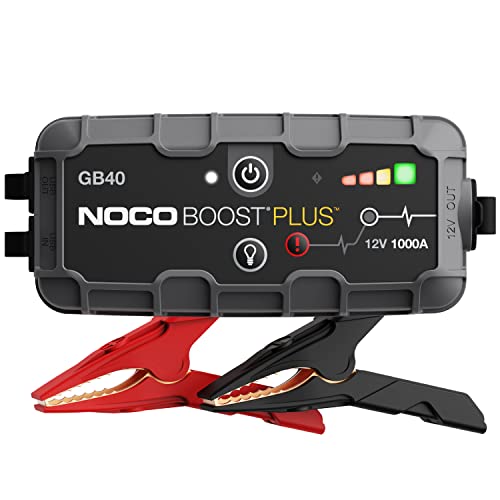
Checking the date code tells you how old the battery actually is. Most batteries carry a sticker or stamped code, often on the top or side, with a letter and number combination. The letter usually represents the month, where A is January through L is December, and the number represents the year. So a code beginning with C 4 points to March 2024. Knowing the manufacture date lets you judge where the battery sits in its three to five year window and plan ahead. If you ever do get caught with a flat battery, keeping one of the best jump starters in the trunk gives you a safe way to get moving again while you arrange a replacement.
Why Proactive Replacement Beats Waiting for Failure
Replacing a battery before it dies is almost always the smarter choice. A battery rarely fails at a convenient moment. It tends to give out on the coldest morning of the year or in a remote car park, exactly when a dead battery causes the most disruption. By testing the battery each season once it passes three years, and watching for the warning signs above, you can choose the timing of the swap yourself rather than reacting to a breakdown.
A weak battery also puts strain on other parts. When it cannot hold a proper charge, the alternator works harder to compensate, and that extra load can shorten the alternator’s life as well. Modern vehicles with stop start systems and many electronic features are especially sensitive to weak voltage, which can trigger odd faults that disappear once a fresh battery is fitted. As a practical rule, plan to test from year three, treat any of the warning signs as a prompt to act, and replace the battery around the four to five year mark even if it still seems fine. Proactive replacement turns a potential roadside emergency into a quick, scheduled job.
Frequently Asked Questions
How many years does a car battery last on average
Most car batteries last three to five years. Hot climates, frequent short trips, and repeated deep discharges push that toward the lower end, while regular longer drives in mild weather can stretch it toward the upper end. Once a battery passes the four year mark, it is wise to test it each season.
Can I replace my car battery before it completely dies
Yes, and it is usually the better approach. Replacing a battery proactively around the four to five year mark, or as soon as you notice slow cranking and dimming lights, lets you choose the timing and avoid being stranded. A battery that struggles to hold a charge also forces the alternator to work harder, so an early swap can protect other parts.
How do I read the date code on a car battery
Look for a sticker or stamped code on the top or side of the battery, usually a letter followed by a number. The letter is the month, with A for January through L for December, and the number is the year. A code starting with C 4 means the battery was made in March 2024, which tells you how far into its life it already is.
The Bottom Line
How often you should replace a car battery comes down to a simple plan. Expect three to five years of service, knowing that heat, deep discharges, short trips, and vibration can cut that short. Watch for slow cranking, dimming lights, a swollen case, and an aging date code, and confirm the battery’s condition with a voltage check or a load test. By acting on those signs and replacing the battery before it fails, you trade a stressful roadside breakdown for a quick, scheduled swap that keeps your car starting reliably in every season.
Related Guides
- 7 Best Jump Starters for Cars in 2026 (Researched and Compared)
- 7 Best Jump Start Packs (Researched and Compared)
- 7 Best Automotive Jump Starters (Researched and Compared)
- 7 Best Jump Starters for SUV (Researched and Compared)
- 7 Best Car Jump Start Kits (Researched and Compared)
- Best Emergency Jump Starters (Researched and Compared)
