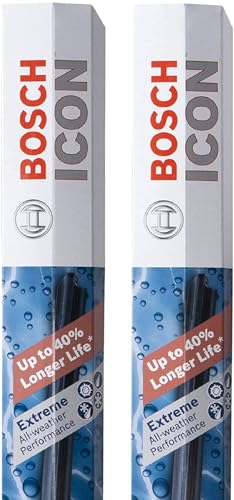
Most rubber wiper blades last about six to twelve months before the edge starts to streak, skip, or chatter across the glass. Silicone blades often run longer, sometimes well past a year, because the material resists heat and sunlight far better. Your real lifespan depends on climate, parking spot, and how often you drive through grit and ice.
The good news is that replacement is cheap and quick, and a fresh set restores clear vision almost instantly. If you suspect yours are past their prime, picking up a new set of blades is one of the simplest safety upgrades you can make. Below we cover what wears blades out, how to spot the warning signs, and when a switch to silicone pays off.
What Wears Wiper Blades Out
The rubber edge on a wiper blade is a soft, flexible strip, and almost everything in the outdoor world is working to break it down. Direct sunlight is the biggest culprit. Ultraviolet rays dry out the rubber, making it brittle and prone to cracking along the wiping edge.
Heat speeds up that aging process. A car parked on hot asphalt bakes the blades, while the windshield itself can reach high temperatures that harden the rubber even faster. Cold does damage too. Ice locks blades to the glass, and scraping them free tears tiny nicks into the edge that turn into streaks.
Then there is grit. Road dust, pollen, sap, and fine sand act like sandpaper every time the blade sweeps. Each pass grinds away a little more of the clean edge, so a car driven on dusty roads wears blades out months sooner than one kept in a garage.
Signs They Are Done and How to Check Them
Worn blades announce themselves long before they fail completely. Watch for streaks that the wipers leave behind, a squeaking or chattering noise as they move, skipped patches the blade jumps over, and a smearing haze that never fully clears.
Here is a simple step-by-step check you can run in a couple of minutes:
- Lift each wiper arm off the glass and look closely at the rubber edge in good light.
- Run a clean fingertip along the edge to feel for cracks, splits, or rough spots.
- Gently bend the rubber strip and confirm it flexes without crumbling or staying creased.
- Inspect the metal or plastic frame for rust, bends, or loose joints that stop even contact.
- Spray washer fluid and run a test sweep, then note any streaks, skips, or noise.
- Replace the blade if you find cracks, hard rubber, or any streaking that the test sweep cannot clear.
If both blades are the same age, swap them as a pair so wiping stays even across the windshield.
Tools and Products You May Need
Replacing wiper blades rarely calls for more than a clean cloth and a few minutes, but a small kit makes the job smoother and the result longer lasting.
A microfiber cloth and a little glass cleaner let you wipe the windshield and the blade frame before fitting a new edge, which keeps fresh grit off the rubber. A bottle of quality washer fluid helps the new blade glide and clear film instead of smearing it. Keep a soft brush or cloth handy to clear leaves and debris from the base of the windshield, the spot the wipers rest against.
When you choose a replacement, start from a proven shortlist of the best windshield wipers so you match the right size and connector to your vehicle. Measuring your old blades or checking your owner manual first avoids the frustration of a set that does not clip on.
Mistakes to Avoid
A few common slips shorten blade life or undo a good replacement. Steer clear of these:
- Running dry wipers on a dusty windshield, which grinds the edge and scratches the glass.
- Scraping ice with the blades instead of an ice scraper, which tears the rubber.
- Ignoring the second blade because only one is streaking, since both age together.
- Buying the wrong size or connector, which leaves gaps the blade cannot reach.
- Leaving wipers pressed against baking glass all summer rather than lifting them when parked.
- Cleaning the rubber with harsh solvents that dry it out faster than normal use.
Avoiding these habits keeps a new set performing for its full expected life.
When to Switch to Silicone for Longer Life
Standard rubber blades are inexpensive and work well, but they wear out fastest in harsh conditions. Silicone blades cost more up front and tend to repay it with a longer service life, often lasting a year or more even under strong sun.
Silicone resists ultraviolet damage and heat better than rubber, so it stays flexible through hot summers and freezing winters. Many silicone blades also leave a water-repellent film on the glass over time, which can improve visibility in heavy rain.
Consider the switch if you park outdoors in a sunny climate, drive long highway miles, or simply dislike changing blades twice a year. If you keep the car garaged and replace blades on schedule, good rubber may be all you need. Match the choice to your climate and driving habits rather than price alone.
Frequently Asked Questions
How often should I replace wiper blades?
As a general rule, replace rubber blades every six to twelve months, or sooner if you notice streaking, skipping, or noise. Silicone blades can often go a year or more before they need changing.
Do wiper blades wear out even if I rarely drive?
Yes. Sunlight, heat, and cold age the rubber whether you drive or not, so blades on a parked car still harden and crack over time. Inspect them on the same schedule regardless of mileage.
Is it worth paying more for silicone wiper blades?
For drivers in sunny or extreme climates, silicone often pays off through a longer life and better heat resistance. If your car is garaged and you replace blades on time, quality rubber may be enough.
The Bottom Line
Wiper blades are a small part with a big impact on safe driving, and most rubber sets give you six to twelve months before they need changing, while silicone can stretch that further. Sun, heat, ice, and grit are the main forces wearing them down, so your climate and parking spot decide how fast that clock runs. A quick monthly look at the edge tells you almost everything you need to know.
When the time comes, fitting durable replacement blades takes only minutes and instantly restores a clear view of the road. Match the size and material to your climate and driving habits, keep the glass clean, and your wipers will reward you with quiet, streak-free sweeps all year long.
Related Guides
- 7 Best Replacement Wiper Blades for Cars in 2026 (Researched and Compared)
- 7 Best Aftermarket Windshield Wipers (Researched and Compared)
- 7 Best Window Wiper Blades (Researched and Compared)
- How to Install Windshield Wipers
- 7 Best Windshield Wipers for Honda Accord (Researched and Compared)
- Best Beam Wiper Blades
